
Singapore has a coffee culture that’s pretty unique, you know? It’s not just about grabbing a quick caffeine fix. We’re talking about a whole tradition, passed down through generations. While fancy espresso drinks are everywhere now, there’s still this really special local coffee, called ‘kopi’, that’s a big part of daily life here. It’s got its own history, its own way of being made, and its own ordering language. Let’s have a look at what makes Singapore’s coffee scene so interesting, especially when you compare the traditional kopi with the modern coffee shop vibe.
Key Takeaways
- Singapore’s traditional coffee, ‘kopi’, is made using Robusta beans, often roasted with sugar and butter, giving it a distinct, bold flavour.
- Kopitiams, the traditional coffee shops, are more than just places to drink coffee; they’re social hubs central to community life.
- Brewing kopi involves unique methods like the ‘sock’ filter and ‘kopi tarik’, skills honed over generations.
- Ordering kopi has its own lingo, with specific terms to customise your drink based on milk, sweetness, and strength.
- While modern espresso culture is global, Singapore’s kopi represents a unique, deeply rooted local coffee culture worth preserving.
The Distinctive Beans Behind Singaporean Coffee
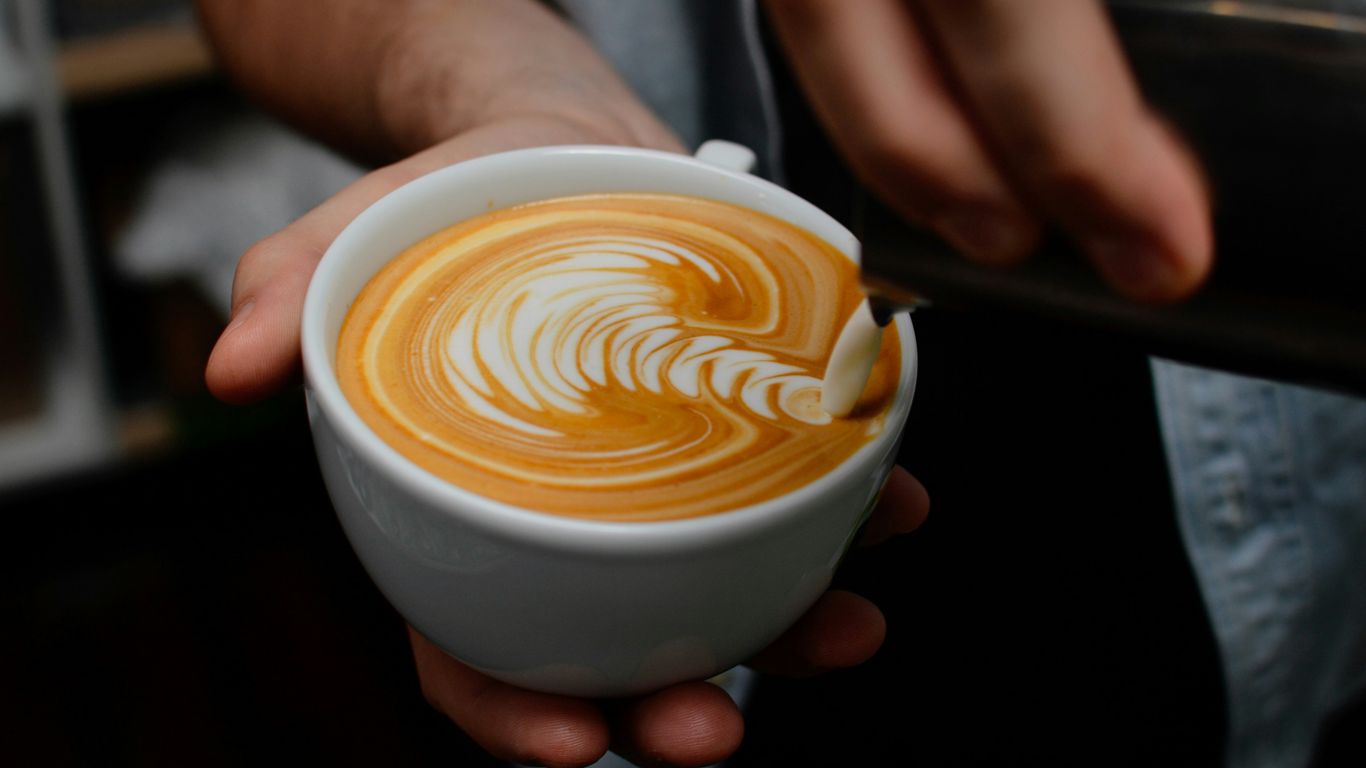
When you’re sipping on a cup of kopi in Singapore, it’s worth thinking about what actually goes into it. It’s not just any coffee; the beans used are a big part of what makes it taste so unique. Unlike the fancy espresso you might get elsewhere, traditional kopi relies on a different kind of bean, and how it’s treated makes all the difference.
Robusta’s Role in Traditional Kopi
For a long time, Robusta beans have been the backbone of Singaporean kopi. These beans are known for being tough and growing well in warmer climates, which suited Singapore’s environment. They pack a serious caffeine punch and have a strong, bold flavour that stands up well to the condensed milk and sugar often added. This robust taste is exactly what many locals grew up with and still crave. While Arabica beans are often seen as the premium choice in Western coffee culture, Robusta has its own special place here. It’s more affordable too, which meant that coffee could become a drink for everyone, not just the wealthy.
Arabica’s Influence on Espresso
Now, when we talk about espresso, that’s usually where Arabica beans come into play. Arabica beans are generally grown in higher altitudes and are known for their more complex flavours – think fruity or floral notes. They have less caffeine than Robusta and a smoother taste. This makes them ideal for espresso, where the brewing method aims to highlight those subtle nuances. While you can find Arabica beans used in some modern Singaporean coffee shops trying new things, they aren’t the traditional choice for a classic kopi.
Bean Roasting Methods and Their Impact
The way the beans are roasted is just as important as the type of bean. Traditional kopi uses a unique roasting method. The beans are often roasted in a wok with margarine and sugar. This caramelises the beans, giving them a distinct aroma and a slightly sweet, rich flavour. It’s a far cry from the precise roasting profiles you might see in specialty coffee shops. This old-school method creates a flavour that’s deeply tied to Singapore’s history and the kopitiams that serve it.
The roasting process is a key step that transforms the raw beans into the aromatic ingredients for our beloved local coffee. It’s a technique passed down through generations, ensuring that familiar taste is maintained.
Here’s a quick look at the main differences:
| Feature | Robusta (Traditional Kopi) | Arabica (Espresso) |
|---|---|---|
| Flavour | Bold, earthy, strong | Fruity, floral, smooth |
| Caffeine | High | Lower |
| Acidity | Lower | Higher |
| Growing Alt. | Lower | Higher |
| Cost | Generally lower | Generally higher |
Kopitiam Culture: The Heartbeat of Local Coffee
Social Hubs and Community Gathering
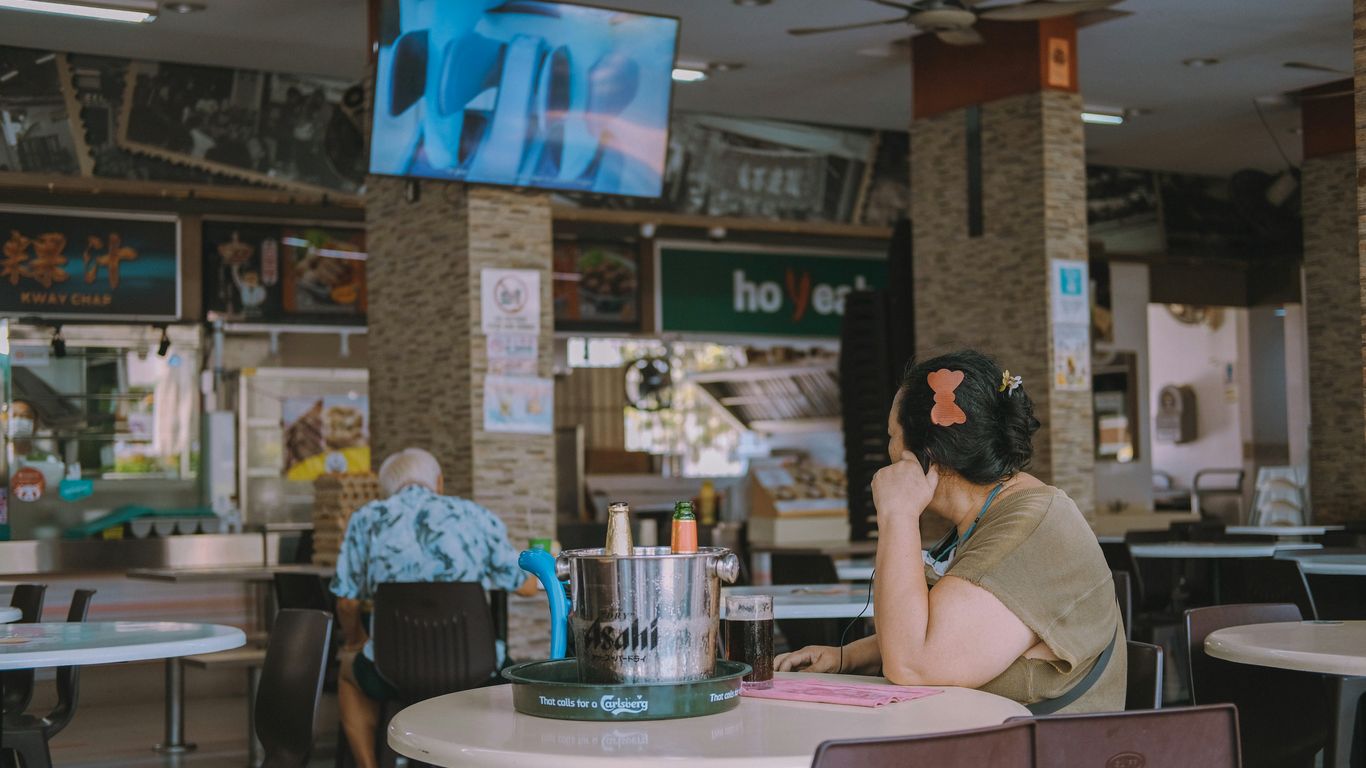
Kopitiams are more than just places to grab a coffee; they’re the social glue that holds communities together. Think of them as the original neighbourhood hangout spots. People gather here not just for a caffeine hit, but for a chat, to catch up on local gossip, or simply to enjoy a moment of quiet reflection. It’s where you’ll see folks from all walks of life – office workers on their lunch break, retirees reading the paper, and friends meeting up. These traditional coffee shops are the unsung heroes of local social life. They provide a relaxed, unpretentious space for connection, a far cry from the often sterile environments of modern cafes. Exploring the vibrant food scene of Joo Chiat and Katong, for instance, often leads you to these very kopitiams, offering a taste of history and community fusion. Taste of history
The Unique Ambiance of Traditional Coffee Shops
The atmosphere inside a kopitiam is something special. It’s a symphony of sounds and smells: the clatter of ceramic cups, the sizzle from nearby food stalls, the murmur of conversations in various dialects, and of course, the rich aroma of brewing coffee. The decor is usually simple, often featuring old-school furniture and maybe some faded posters. It’s this authentic, lived-in feel that gives kopitiams their charm. You won’t find fancy latte art here, but you will find a genuine sense of place. It’s a sensory experience that grounds you in the local culture. You can learn more about this unique kopi culture at Nanyang Old Coffee’s Mini Singapore Coffee Museum. Unique kopi culture
Kopi as a Cultural Staple
Kopi isn’t just a beverage in Singapore; it’s a cultural institution. It’s affordable, accessible, and deeply ingrained in the daily routines of many Singaporeans. Whether it’s the classic breakfast of kaya toast and soft-boiled eggs paired with a strong kopi, or a mid-afternoon pick-me-up, this traditional coffee is a constant. Its preparation methods and the specific beans used have been passed down through generations, making it a symbol of heritage and continuity. It represents a taste of home for many, a connection to the past that remains vibrant in the present.
The way kopi is prepared, using a cloth filter and often roasted with sugar and margarine, gives it a distinct flavour profile that is both bold and comforting. This traditional approach, while different from modern espresso brewing, holds immense cultural value and is a key part of Singapore’s identity.
The Art of Brewing Kopi
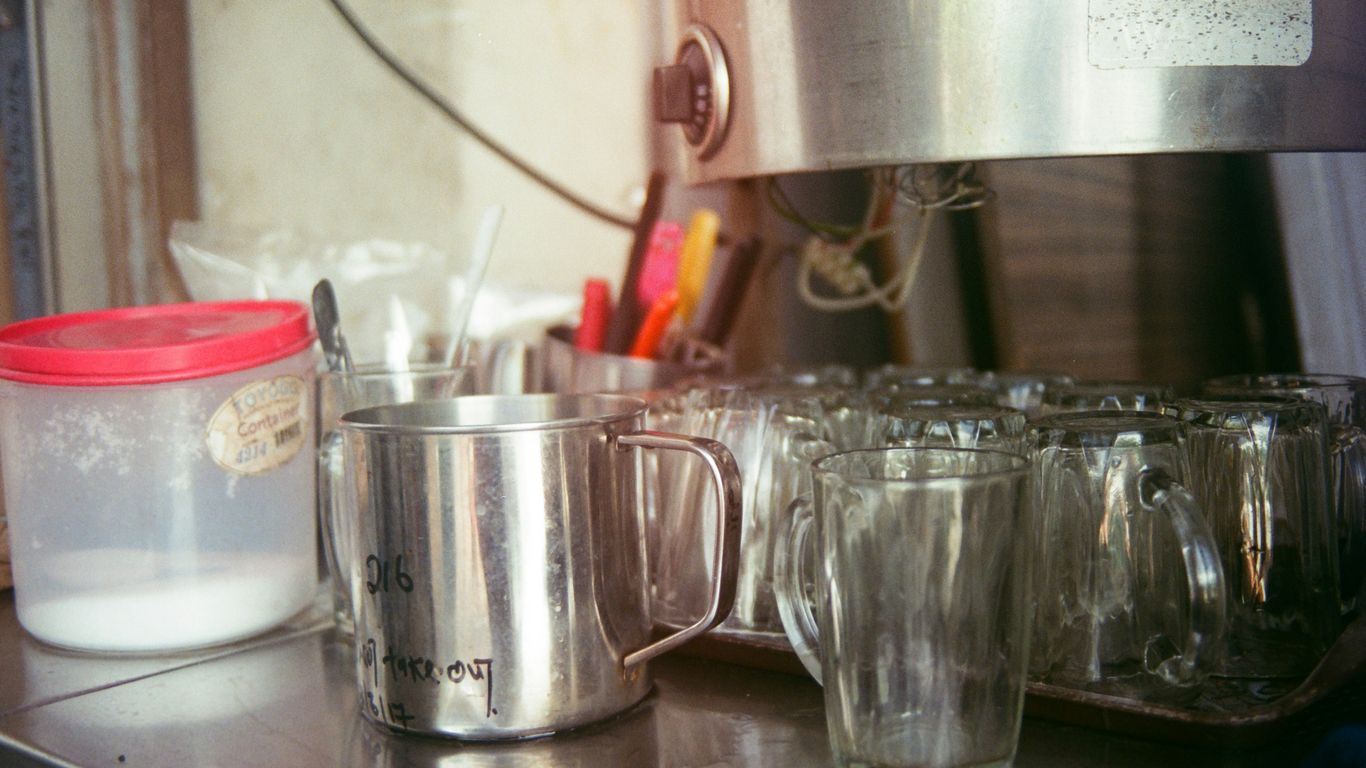
Brewing a proper cup of kopi is more than just mixing coffee and water; it’s a craft honed over generations. The traditional methods used in Singapore give kopi its distinctive character, setting it apart from your average cuppa.
Traditional ‘Sock’ Filter Method
The ‘sock’ filter, a muslin or cotton cloth bag with a handle, is central to brewing traditional kopi. It’s used to steep the coffee grounds, much like a large tea bag.
Here’s a general idea of the process:
- Steeping: Coarsely ground kopi powder is placed into the sock filter.
- Infusion: Boiling water is poured over the grounds, and the mixture is left to steep for a few minutes.
- Straining: The liquid is then strained through the sock, often into a pot or directly into the serving cup.
This method allows for a controlled extraction, resulting in a strong, concentrated coffee base.
The ‘Kopi Tarik’ Technique
‘Kopi Tarik’ literally means ‘pulled coffee’ in Malay. It’s a visually impressive technique where the brewed coffee is poured back and forth between two metal containers from a height. This action aerates the coffee, cools it slightly, and creates a frothy head. It’s a skill that requires a steady hand and a good sense of timing, often performed with impressive speed by experienced kopitiam uncles and aunties.
Generational Craftsmanship in Preparation
Making good kopi is a skill passed down through families. It’s not just about following steps; it’s about feel and experience. Roasting the beans, often with sugar and margarine, is a key part of developing the unique flavour profile. The precise ratio of coffee to water, the steeping time, and the ‘pulling’ technique all contribute to the final taste. It’s a practice that has been refined over many years, with each generation adding their own subtle touches to the art of Singaporean coffee.
The careful balance of ingredients and the practiced movements in brewing kopi are what give it its soul. It’s a taste of history in every cup, a connection to the past that’s still very much alive today.
Understanding Kopi Ordering Conventions
Ordering kopi in Singapore is an art form, a language spoken fluently by locals and a delightful puzzle for visitors. It’s more than just asking for coffee; it’s about understanding a system built on decades of tradition and efficiency. The standard ordering pattern generally follows a sequence: Coffee Type – Milk – Strength – Sweetness – Temperature. This structure allows for incredibly precise customisation, all communicated with a few key words.
The Standard Ordering Pattern
At its most basic, ordering a ‘kopi’ means you’ll get coffee with condensed milk and two sugars. It’s the default, the starting point. From there, you can modify almost every aspect. Think of it like building your perfect cup, piece by piece. This system is so ingrained that most kopitiam operators can prepare your drink within seconds of you finishing your order.
Decoding Modifying Terms for Customisation
This is where the real fun begins. A few simple additions can completely change your drink. Here are some common modifiers:
- ‘O’: Black coffee. So, ‘Kopi O’ is black coffee with sugar.
- ‘Kosong’: Means ’empty’ or ‘plain’. ‘Kopi O Kosong’ is black coffee with no sugar and no milk.
- ‘C’: Refers to evaporated milk. ‘Kopi C’ is coffee with evaporated milk and sugar.
- ‘Gao’: Means ‘thick’ or ‘strong’. This indicates you want more coffee and less water.
- ‘Siew Dai’: Means ‘less sugar’. If you prefer it less sweet, this is your go-to.
- ‘Peng’: Means ‘iced’. Add this if you want your coffee chilled.
So, if you wanted a strong, less sweet iced coffee with evaporated milk, you might order ‘Kopi C Gao Siew Dai Peng’. It sounds complex, but it’s incredibly logical once you get the hang of it. Learning this lingo is a key part of experiencing Singapore’s unique coffee culture, and it’s a great way to connect with locals. You can find out more about ordering like a local here.
From Kopi to Kopi-C: Variations Explained
Let’s break down some popular variations to illustrate the ordering system:
| Order | Description | Key Modifiers Used |
|---|---|---|
| Kopi | Coffee with condensed milk and sugar | Default |
| Kopi O | Black coffee with sugar | O |
| Kopi O Kosong | Black coffee, no sugar, no milk | O, Kosong |
| Kopi C | Coffee with evaporated milk and sugar | C |
| Kopi Siew Dai | Coffee with condensed milk and less sugar | Siew Dai |
| Kopi Peng | Iced coffee with condensed milk and sugar | Peng |
| Kopi C Peng | Iced coffee with evaporated milk and sugar | C, Peng |
| Kopi O Gao | Strong black coffee with sugar | O, Gao |
| Kopi C Siew Dai | Coffee with evaporated milk and less sugar | C, Siew Dai |
| Kopi C Gao Siew Dai Peng | Iced coffee with evaporated milk, strong, less sugar | C, Gao, Siew Dai, Peng |
The beauty of the kopi ordering system lies in its efficiency and adaptability. It’s a linguistic shortcut developed over time, allowing for rapid customisation in busy kopitiams. Mastering these terms isn’t just about getting your coffee right; it’s about participating in a living tradition.
This intricate system ensures that everyone can get their coffee exactly how they like it, a testament to the personalised service found in traditional Singaporean coffee shops. It’s a small but significant part of the daily rhythm, whether you’re grabbing a quick breakfast or settling in for a chat. Exploring these flavours is a highlight of visiting Singapore’s hawker centres.
Kopi vs. Modern Espresso: A Cultural Contrast
When you’re in Singapore, you’ll notice two main coffee worlds coexisting. On one side, you’ve got the traditional kopi, a drink deeply woven into the fabric of daily life. On the other, there’s the modern espresso, which feels more connected to global coffee trends. They’re both coffee, sure, but they represent pretty different experiences and histories.
Globalised Coffee Trends
These days, coffee shops serving espresso are everywhere, right? They’re part of a bigger picture, a global shift towards what’s often called ‘specialty coffee’. This usually means using Arabica beans, which have a lighter, more complex flavour. Think of the fancy cafes you see popping up – they’re all part of this international movement. It’s about appreciating the subtle notes in the bean, often without adding much sugar or milk. This approach has really taken off worldwide, and Singapore is no exception. It’s a different vibe from the kopitiams, focusing more on a quiet, sophisticated atmosphere.
The Barista’s Role in Espresso Craft
In the world of espresso, the barista is kind of a star. They’re trained to pull the perfect shot, steam milk just right, and create those fancy latte art designs. It’s a skill, and it’s all about precision and presentation. They’re the ones who can really bring out the best in those delicate Arabica beans. It’s a craft that’s developed over time, with a lot of focus on technique and consistency. You can see this dedication in places that really care about their coffee, like some of the stalls at Amoy Street Food Centre that are mixing traditional flavours with modern touches.
Preserving Traditional Coffee Practices
Kopi, on the other hand, is all about tradition. It’s not just a drink; it’s a cultural touchstone. The way it’s made, the way it’s ordered – it’s all part of a heritage that’s been passed down. While espresso focuses on the bean’s inherent qualities, kopi often uses Robusta beans, which are bolder and have more caffeine. The roasting process, often with butter and sugar, gives it a unique caramelised flavour that’s hard to find elsewhere. It’s a taste that many Singaporeans grew up with and continue to cherish. Learning the lingo for ordering kopi is a big part of understanding Singapore’s unique coffee culture.
The contrast between kopi and espresso highlights how coffee can be both a universal pleasure and a deeply personal cultural marker. One represents a globalised, refined approach, while the other is a steadfast guardian of local heritage and community connection.
The Rich History of Coffee in Singapore
Colonial Influences on Coffee Production
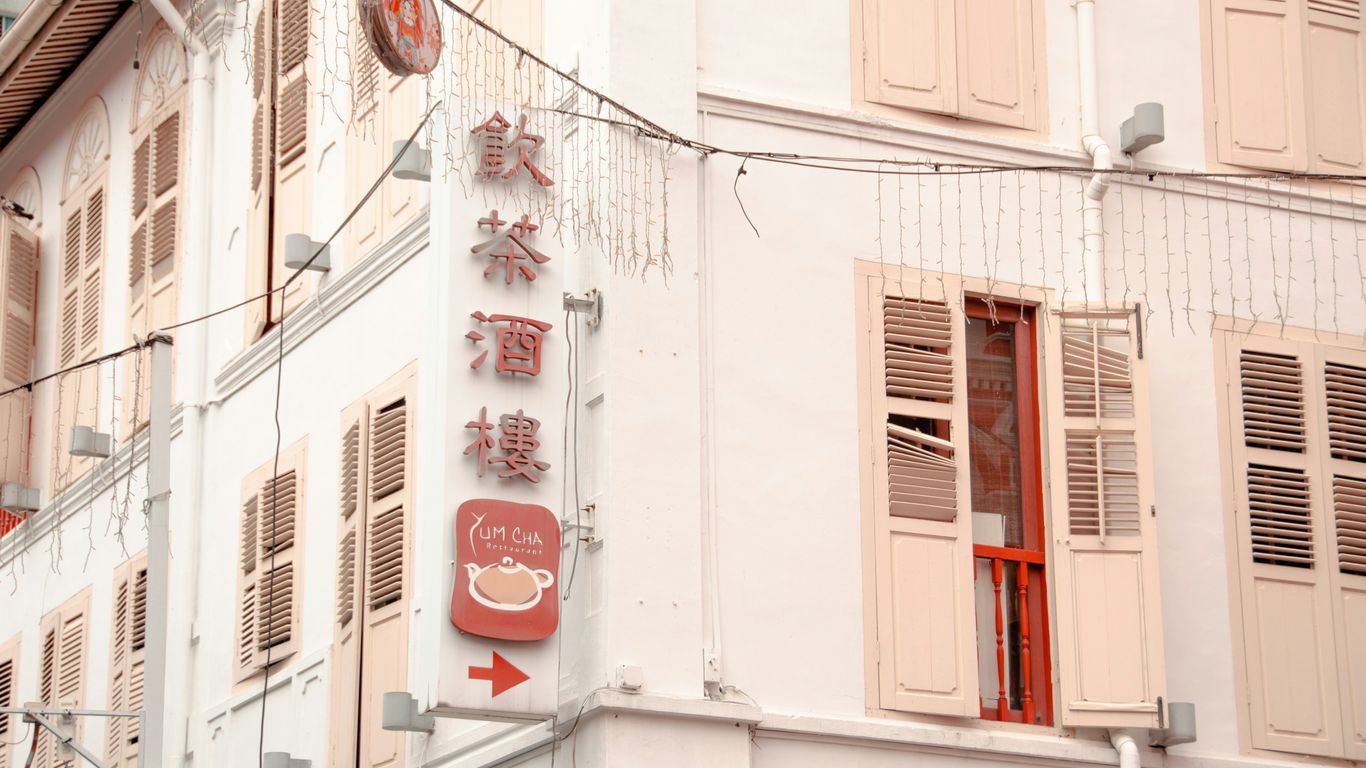
Coffee’s journey to Singapore is deeply intertwined with its colonial past. European powers, starting with the Portuguese in the 16th century, then the Dutch and the British, all played a part in introducing coffee cultivation and consumption to the region. The Portuguese, for instance, brought Arabica beans, often sugar-coated to preserve them on long sea voyages. Later, the Dutch established Arabica plantations in Indonesia, while the French introduced Robusta to Vietnam. These colonial efforts laid the groundwork for coffee production in Southeast Asia, transforming it from a simple crop into a significant economic activity.
The Birth of Local Kopi Culture
As coffee became more accessible, local adaptations began to emerge. Chinese cooks, preparing food for European workers in 19th-century Singapore, started crafting coffee with local flavours. While the Europeans favoured Arabica, its cost was prohibitive for many locals. This led to the widespread adoption of Robusta beans, brought by traders from Indonesia. These beans, known for their hardiness and bolder flavour, were roasted using traditional methods, often in woks with butter or lard and sugar, creating the distinctive caramelised taste that defines Singaporean kopi. This fusion of imported beans and local ingenuity is how kopi truly took root.
From Cash Crop to National Beverage
Over time, coffee transitioned from being just another cash crop to a beloved national beverage. The rise of kopitiams, traditional coffee shops, cemented its place in daily life. These establishments became more than just places to grab a drink; they evolved into social hubs and community gathering spots, integral to the fabric of Singaporean society. The unique brewing methods, like the traditional ‘sock’ filter, and the specific ordering conventions all developed within these spaces, contributing to a rich and enduring coffee culture that continues to thrive today.
Flavour Profiles and Caffeine Content
When you’re sipping on a cup of traditional Singaporean kopi, you’re tasting something quite distinct from your average espresso. The beans used, primarily Robusta, give kopi its signature punch. These beans are known for a bolder, more intense flavour profile, often described as having a strong, sometimes rubbery or chocolatey note. This intensity is a big part of what makes kopi so recognisable.
The Bold Taste of Robusta Beans
Robusta beans are the workhorses of traditional kopi. Unlike their Arabica cousins, which are often favoured for their nuanced aromas and lower caffeine, Robusta beans pack a serious flavour wallop. They tend to be more bitter, with a heavier body. This isn’t necessarily a bad thing; it’s just different. The roasting process, often involving caramelisation with sugar and butter, further develops these strong characteristics, creating a unique aroma and taste that’s deeply ingrained in Singapore’s coffee culture. It’s this robust flavour that stands up well to the addition of milk and sugar, which are common additions to balance the intensity.
Caffeine Levels in Kopi
If you’re looking for a serious caffeine kick, kopi generally delivers. Robusta beans naturally contain significantly more caffeine than Arabica beans. We’re talking roughly double the amount, sometimes even more. This higher caffeine content is one of the main reasons many people turn to kopi, especially in the morning or for an afternoon pick-me-up. It provides that extra boost to get you through the day.
Here’s a rough comparison:
| Coffee Type | Primary Bean | Approximate Caffeine (per 8oz cup) |
|---|---|---|
| Traditional Kopi | Robusta | 150-200 mg |
| Espresso | Arabica (often blended) | 64 mg |
| Latte/Cappuccino | Espresso-based | 64 mg |
Note: These are general figures and can vary based on bean origin, roast level, and brewing method.
Balancing Bitterness with Sweeteners and Milk
Because of the inherent bitterness and high caffeine content of Robusta beans, traditional kopi is rarely enjoyed black and unsweetened. The addition of condensed milk and sugar is almost standard practice. This isn’t just about making it palatable; it’s part of the cultural preparation. The sweetness and creaminess cut through the bitterness, creating a smooth, rich, and satisfying beverage. You’ll find many variations, like Kopi C (evaporated milk and sugar) or Kopi Siew Dai (less sugar), allowing for personal preference in how that bitterness is balanced. It’s a delicate dance between the strong coffee base and the sweet, milky additions, a hallmark of Singaporean coffee culture.
The intense flavour and high caffeine content of traditional kopi are not accidental. They are the result of using Robusta beans and a brewing method designed to extract maximum flavour and energy, a practice honed over generations. This bold profile is then intentionally softened with milk and sugar, creating a balanced and beloved national drink.
Ever wondered about the different tastes and how much kick each coffee gives you? We’ve got the lowdown on flavour profiles and caffeine levels, so you can pick the perfect brew every time. Want to dive deeper into the world of coffee? Check out our website for more tasty details!
More Than Just Coffee
So, while a latte might be what you’re used to, Singapore’s kopi offers a whole different experience. It’s not just about the beans or how it’s brewed; it’s about the history and the people. Kopi is a taste of tradition, a connection to the past, and a big part of what makes Singapore, well, Singapore. It’s definitely worth trying if you get the chance, and understanding it helps you appreciate the unique coffee scene here even more.
Frequently Asked Questions
What’s the main difference between kopi and latte?
Kopi is Singapore’s traditional coffee, usually made with robusta beans that are roasted with butter and sugar, giving it a strong, caramel-like flavour. Lattes are espresso-based drinks, typically made with arabica beans and steamed milk, offering a smoother, milder taste. Think of kopi as a hearty, local brew and a latte as a more refined, international coffee style.
Why is Robusta coffee used in traditional kopi?
Robusta beans are used because they have a stronger, bolder flavour and more caffeine, which gives kopi its distinctive kick. They’re also generally cheaper and easier to grow than Arabica beans. The roasting process with butter and sugar really brings out a unique, rich taste that people love.
What does ‘Kopi O’ or ‘Kopi C’ mean?
Ordering kopi is like speaking a secret code! ‘Kopi O’ means black coffee, with no milk. ‘Kopi C’ means it’s made with evaporated milk instead of the usual condensed milk, and often has less sugar. There are heaps of ways to customise your kopi, like ‘gaw’ for stronger or ‘siew dai’ for less sugar.
What’s a ‘kopitiam’ and why is it important?
A ‘kopitiam’ is a traditional coffee shop in Singapore, like a local hangout spot. They’re more than just places to grab coffee; they’re where people catch up, read the paper, and feel part of the community. The vibe is super casual and friendly, totally different from fancy modern cafes.
Is kopi considered a ‘specialty coffee’?
Kopi isn’t usually called ‘specialty coffee’ in the way we think of fancy espresso drinks. That’s because it uses different beans and methods. However, its long history, unique preparation, and deep cultural meaning make it special in its own right – a true Singaporean specialty!
How did coffee become so popular in Singapore?
Coffee arrived in Singapore with traders and colonisers centuries ago. Local communities adapted it, using readily available robusta beans and roasting them with local ingredients like sugar and butter. This created a unique, affordable, and delicious drink that became a national favourite, especially enjoyed in the social atmosphere of kopitiams.