
Key Takeaways
Selecting the right event space often involves balancing historical atmosphere with practical modern requirements. This guide outlines the essential details for hosting functions at the iconic CHIJMES Hall.
- CHIJMES Hall is a gazetted National Monument offering a unique neo-Gothic aesthetic.
- The venue accommodates diverse group sizes with flexible seating arrangements.
- Successful events require coordination with specialized culinary partners.
- Proximity to major transport hubs makes the venue accessible for regional guests.
- Careful financial planning is needed to balance rental costs and operational service fees.
Architectural significance and history of CHIJMES Hall
CHIJMES Hall stands as one of the most recognizable structures in central Singapore, defined by its elaborate restoration and historical weight. The space serves as a testament to the city’s commitment to preserving cultural identity while adapting heritage sites for modern utility. Understanding the site’s journey from a place of quiet reflection to a premier event venue provides context for its enduring charm.
The origins of the former convent
The site was originally established as the Convent of the Holy Infant Jesus, which supported educational and religious activities for over a century. Discover CHIJMES history indicates the convent played a foundational role in the community long before the complex was repurposed. The chapel itself was completed in 1903, serving as a spiritual heart for the sisters and local parishioners for decades.
Neo-Gothic design features
Visitors are immediately struck by the CHIJMES Hall architecture, which features vaulted ceilings and fine craftsmanship typical of the era. The structure showcases classic Gothic Revival elements, including flying buttresses and high-reaching spires that draw the eye upward. Detailed stained glass windows continue to filter natural light into the main hall, providing a dramatic backdrop for photography and formal proceedings.
Gazetting as a national monument
In 1990, the building was officially recognized as a National Monument, protecting its facade and interior integrity. This designation remains central to the venue’s identity, ensuring that any modern event integration respects the historic character of the building. The CHIJMES Hall preservation efforts continue to maintain the site’s status as a top-tier location for significant gatherings.
Venue capacity and spatial layout
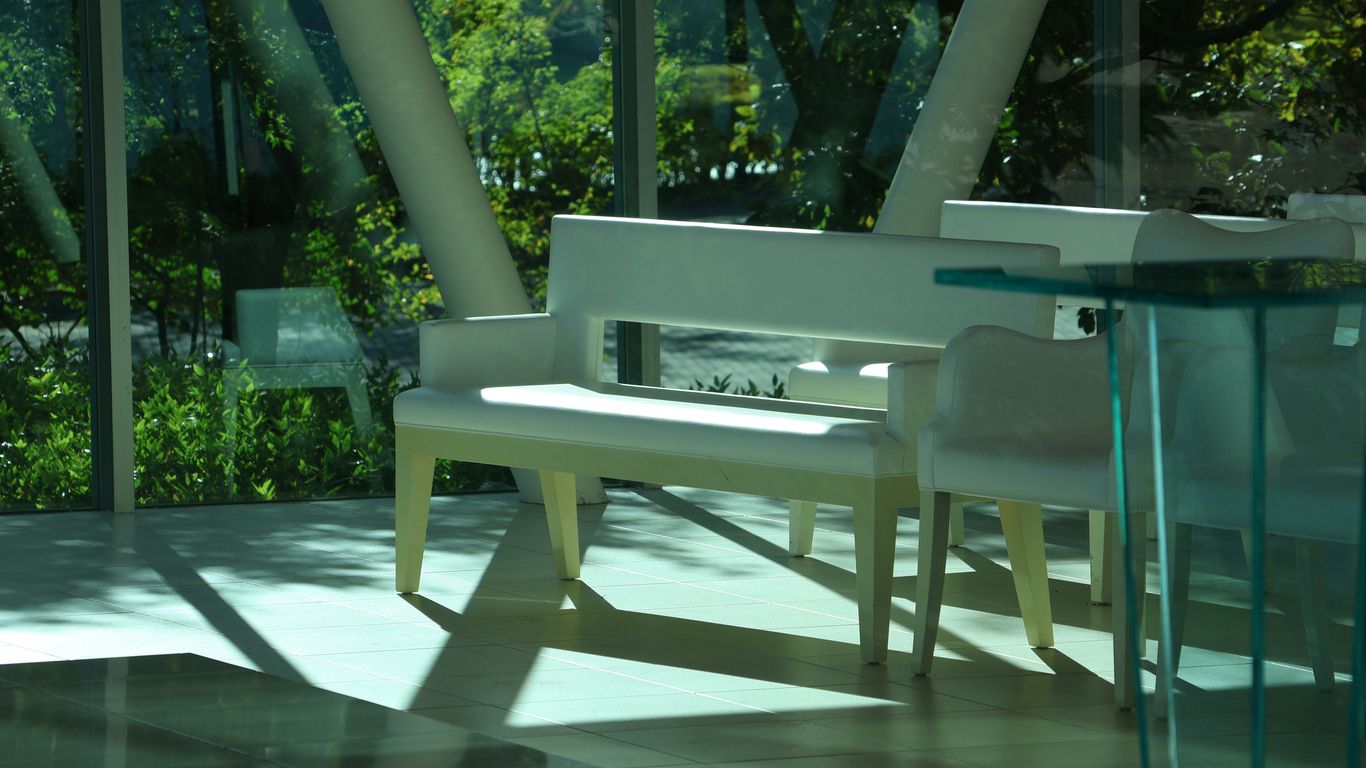
The main hall offers a cavernous space that organizers find quite versatile for different event scales. Because of the open floor plan, the room can be adjusted to favor either intimate settings or larger gala-style gatherings without feeling cramped. Planners should focus on how the high walls and historic focal points, such as the altar area, influence the overall flow of the event.
Seating configurations for wedding banquets
Wedding banquets often utilize long-table setups to emphasize the symmetry of the hall, which helps to maintain an elegant visual line. The capacity allows for a generous guest list while still leaving room for a dedicated bridal procession area. Many couples elect to use the central aisle to make a grand entrance, which feels naturally choreographed due to the architecture.
Adaptability for corporate conferences
For business gatherings, the room shifts from a ceremonial space into a theater-style setup by utilizing the existing acoustics to project presentation audio. The large open floor is well-suited for trade-style networking, as rows can be cleared to encourage movement. Event organizers often organize the floor plan to ensure attendees remain focused on the presentation while enjoying the prestige of the environment.
Restrictions on custom décor and furniture placement
The heritage status of the building necessitates strict compliance with load-bearing and decorative limitations. Below is a summary of typical constraints operators must navigate:
| Constraint Area | Specific Restriction |
|---|---|
| Wall Mounts | No drilling or adhesive tape that damages original surfaces |
| Furniture | Non-marking floor base required for all heavy items |
| Lighting | Clamp-only mounting systems for temporary lighting rigs |
These guidelines help protect the longevity of the site while allowing for creative expression. Always confirm site-specific rules before confirming your event layout to avoid last-minute complications during installation.
Essential planning considerations for wedding ceremonies
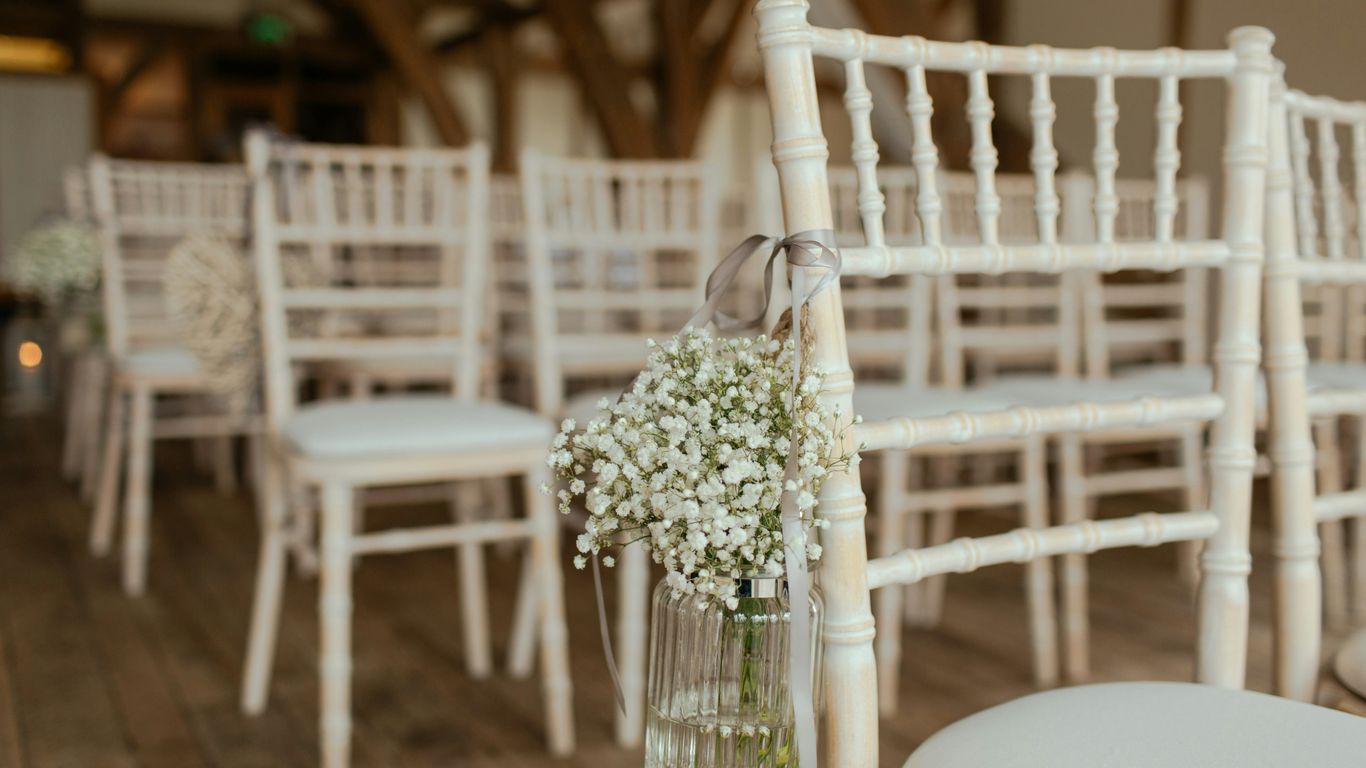
Planning a ceremony in such a storied location involves meticulous coordination to respect both the sacred past of the building and the high expectations of the celebration. Engaging a Watabe Wedding professional can often simplify the process by handling specific requirements for religious or civil unions. Ensure that your timeline accounts for both rehearsals and the actual event, as the historic venue often requires clear scheduling to manage traffic.
Booking protocols and advance lead times
Securing a date at this venue requires booking several months in advance, particularly during peak wedding seasons in Singapore. It is common to see high demand throughout the second half of the year, so early outreach to the management team is recommended. Having a clear idea of your preferred dates and backup alternatives will help streamline the inquiry phase.
Coordination with preferred culinary partners
Culinary execution is a focal point of the guest experience, and the venue offers specific lists of vendors who understand how to operate within the historic constraints. Managing the catering flow is essential, as the space does not always include a full commercial kitchen on-site. Choosing partners familiar with the layout ensures that service remains consistent regardless of the menu style chosen.
Managing acoustic requirements in a historic space
The hard surfaces that define the building’s aesthetic also create unique acoustic challenges for speech and live music. Our essential technical preparation involves testing levels early to ensure dialogue remains crisp and intelligible for all guests. Utilizing directional speakers and professional audio management is key to delivering a clear experience without creating disruptive echoes.
Logistics for hosting corporate events

Hosting high-level corporate events, such as product launches or award galas, requires careful logistics that honor the prestige of the environment. The venue must be treated as a blank canvas where equipment selection and arrival flow are paramount. Successful corporate hosts often employ the following strategies:
- Implementing a structured guest arrival process to manage entry crowds.
- Scheduling AV setup during off-peak hours to avoid noise disruption.
- Defining clear zones for catering, registration, and seating.
- Coordinating with valet or shuttle services for efficient transportation.
These steps ensure that professional gatherings proceed without friction, allowing speakers and guests to interact seamlessly in this impressive setting.
Accessibility and guest arrival flow
Providing an accessible route from the entrance to the main stage is vital for a smooth guest experience. Signage should be placed clearly throughout the perimeter, guiding attendees through the complex without confusion. Since the venue is integrated into a larger heritage site, planning for external foot traffic is a necessary part of the logistics schedule.
Integrating modern AV systems within heritage constraints
Setting up projectors and sound systems requires working around the existing structure rather than modifying it. Most AV teams use free-standing trusses to lift equipment, ensuring that nothing is fixed to the stone walls or stained-glass detailing. This approach keeps the technological setup modern while remaining entirely non-invasive to the site.
Dining formats suitable for structured networking
Networking events benefit from flow-friendly dining options like cocktail hours or buffet stations placed in designated areas away from the main presentation screen. Choosing food that is easy to manage while standing encourages guests to circulate, which is the primary goal of most corporate mix-and-mingle events. Consider Signature Solitaire Collection techniques for managing guest groups during registration to keep the flow moving naturally.
Visitor experience and on-site amenities
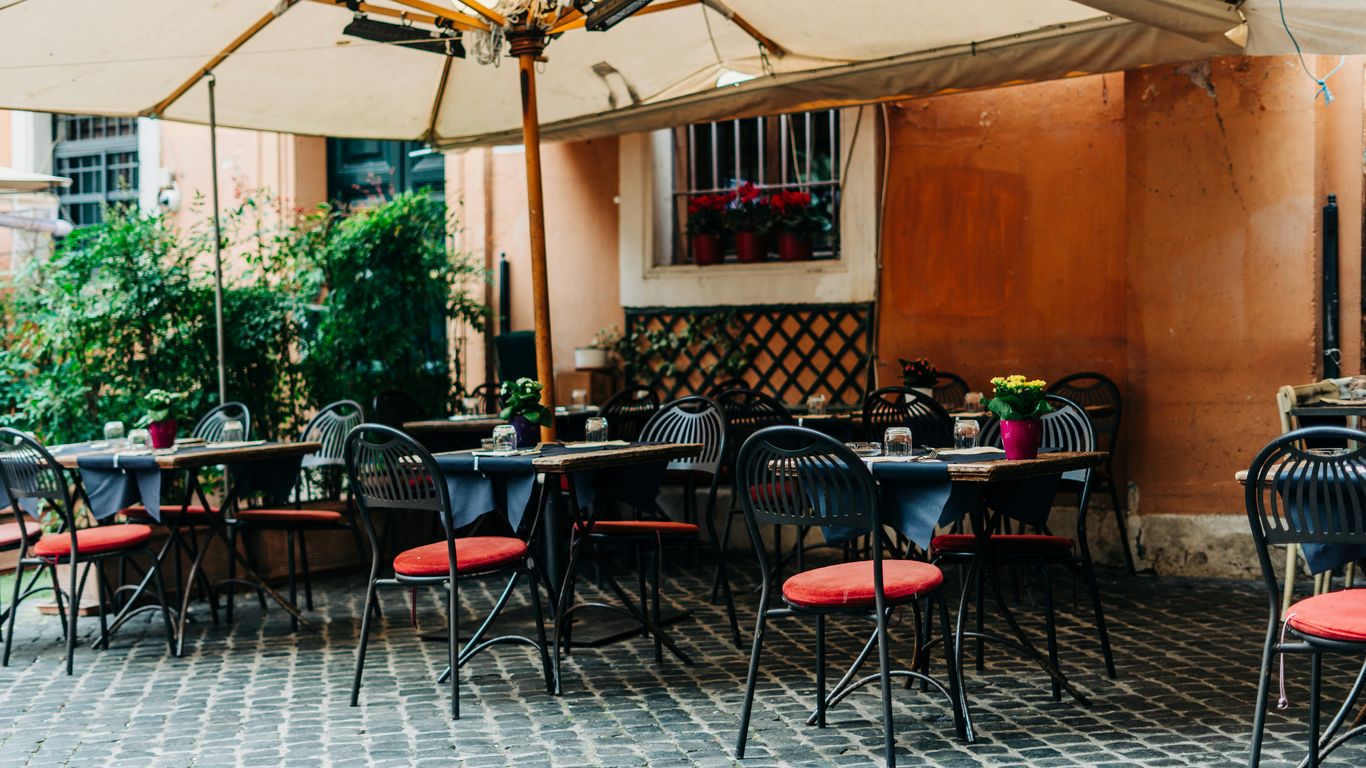
Beyond the hall itself, visitors benefit from being part of the wider complex, which provides a full evening of entertainment. Ensuring that guests understand the venue’s context as part of a larger destination enhances the overall feeling of exclusivity and convenience. When conducting events, it helps to provide guests with clear guidance on how to navigate the area before they arrive.
Navigating the wider CHIJMES complex
The complex is designed as a series of open courtyards that lead visitors toward the hall, creating a series of visual reveals as one approaches. Taking time to map out your guest arrival route through the complex will help maintain the sense of arrival for your visitors. There are also various casual dining spots and bars nearby where guests can gather before or after an event.
Proximity to public transport hubs in Singapore
Accessing the site via public transport is straightforward, with major MRT lines within walking distance, making it convenient for local guests and those staying in nearby hotels. This connectivity is a major advantage for event planners, as it removes the need to organize large-scale transport arrangements for most attendees. Guests typically find it easy to navigate to the location, as it is a well-known site in the city centre.
Climate control and comfort for seated guests
While the building is a heritage structure, the interior is equipped with climate control systems to ensure guest comfort regardless of the tropical humidity outside. This is a critical factor for long-form events, as temperature regulation directly influences the focus and energy levels of the audience. Regular checks during the preparation phase ensure that the cooling output is balanced across the entire hall.
Cost estimation and financial planning
Financial planning for an event at this venue involves more than just the base rental price, as operational costs can vary based on the scale of the service requested. Reviewing the quote structures carefully will prevent unexpected expenses later in the process. It is worth investigating if event space packages align with your expected attendance numbers to optimize the rental value.
Breakdown of venue rental inclusions
Rental quotes typically cover the use of the hall for a set duration, but may not always include the necessary insurance, cleaning, or specialized onsite support personnel. Always clarify if the staging area and dressing rooms are included as part of the primary fee to ensure accurate budgeting. Understanding the baseline allows you to book now with confidence, knowing exactly what assets are covered by the initial deposit.
Comparing peak and off-peak booking periods
Booking during off-peak weekdays generally provides more competitive pricing than weekend slots, which are the most requested. Planners who have flexibility in their scheduling can significantly reduce their overhead by opting for quiet-season or mid-week dates. Consider comparing the total cost of different times of year to see how it impacts your final budget.
Understanding additional operational service fees
Service fees can include requirements for security, waste management, or mandatory AV support that meets the heritage protection guidelines. These costs are often processed separately from the primary venue rental, so setting aside a contingency fund for such items is a prudent step in financial planning. Transparent communication with the venue management about your needs will provide a clear breakdown of these secondary expenses.
Conclusion
Hosting an event at CHIJMES Hall provides a unique opportunity to combine historical grandeur with functional modern service in the heart of the city. By carefully coordinating the logistics, respecting the heritage requirements, and ensuring your planning accounts for all operational aspects, you can create a memorable and impressive experience for your guests.
Frequently Asked Questions
Can I visit the hall before booking my event?
Yes, site visits are encouraged for event organizers to get a physical sense of the space and its potential for their specific event layout.
Are there specific guidelines for professional photography?
Photography is allowed, but professional crews must observe the rules regarding equipment placement to prevent damage to the historic features of the chapel.
Can I hire outside caterers who are not on the preferred list?
Typically, the venue prefers the use of its own vetted culinary partners, but you should discuss any specific vendor requests with management to see if accommodations can be made.
Is there parking available for guests directly on-site?
Public parking is available in the vicinity of the complex, though guests are often encouraged to use public transport given the central location.
Does the venue provide audio-visual equipment support?
While the venue provides a structure to work with, clients generally need to engage their own AV vendors to provide and manage the hardware installed for specific event needs.
What happens if the weather is inclement on my event day?
Since the event space is an indoor chapel hall, it is well-protected from the elements, ensuring that your ceremony or presentation remains sheltered.
Are there facilities available for bridal parties to rest?
Dedicated rooms are available for use by bridal parties, offering a comfortable and private space to rest or prepare before the event commences.