
Key Takeaways
Experiencing the waterways of the city is an essential part of any visit, providing a unique vantage point to observe how history and modernity collide. Before you set out on your own voyage, keep these essential details in mind for a smooth and enjoyable excursion.
- Embark from major hubs like Clarke Quay to access the primary tourist loop.
- Evening tours offer the best views of the illuminated city skyline.
- Multilingual audio guides provide context about the transition from fishing village to global hub.
- Always check weather forecasts to ensure a comfortable outdoor experience.
- Wear breathable clothing and bring essentials like sunscreen and water.
The history and cultural significance of the bumboat in Singapore
The humble vessel has long served as an icon of the local maritime spirit, acting as a lifeline for trade during the city’s early development. These wooden boats once navigated narrow river channels to ferry goods from ship to shore, eventually becoming woven into the fabric of daily life. By taking a trip in a bumboat singapore vessel today, you are essentially following the paths of traders who defined the early economy. Today, these sturdy craft focus on tourism, allowing visitors to appreciate the evolution of the city’s waterfront through a Singapore River Cruise operation.

Origins as traditional trade vessels
In the mid-19th century, the Singapore River was the bustling commercial heart of the colony, packed with these narrow, maneuverable boats. They were essential for ferrying cargo—from spices to fabric—between large merchant ships anchored offshore and the warehouses of the district. The design was perfectly adapted for the shallow, busy waters, and the river was absolutely a hive of daily commerce.
Transition from heavy transport to modern tourism
As the city modernized and containerization changed how shipping was handled, the river shifted from an industrial hub to a leisure destination. The vessels were repurposed to accommodate travellers, trading their cargo holds for seating to allow for public viewing. This evolution turned the river into a living museum where the pace of travel became far more relaxed.
Preserving the maritime heritage of the Singapore River
Modern efforts have ensured that the sight of these boats remains a fixture despite rapid urban development. Organizations dedicated to the waterway maintain these traditions so that new generations understand the role they played in local survival. You can learn more about the importance of deep, structural heritage by visiting the Chinatown Heritage Centre to see how trade fostered community in the olden days.
Planning your Singapore River cruise route
Navigating the waterways requires only a bit of basic planning to ensure you catch the sights that matter most to you. Most cruises follow a predictable path, but certain stops offer better perspectives depending on your focus. The following list outlines the standard experience for most travellers in the city.
Popular departure points along Clarke Quay
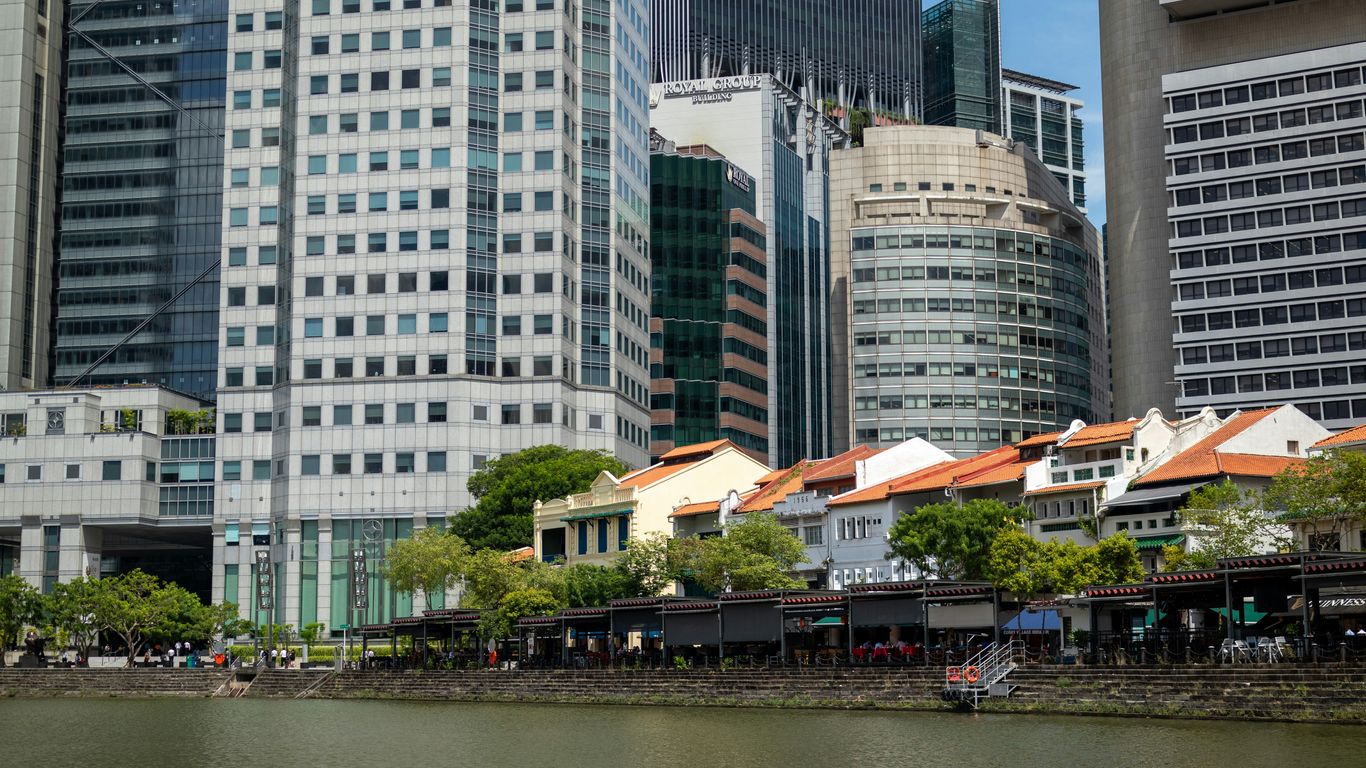
Clarke Quay serves as the primary hub for river travel, offering high accessibility from the downtown core. The area is packed with entertainment options and serves as the primary meeting point for most tour operators near the water. The density of transit links makes boarding simple even for those with tight schedules.
Key landmarks visible from the water
Cruising from the quays offers an unobstructed view of the evolution from colonial architecture to ultra-modern finance buildings. From the deck, you can easily spot iconic locations such as the Merlion Park and various heritage-rich shophouses. The table below highlights some essential spots to look out for during your journey:
| Landmark Category | Specific Location | Significance |
|---|---|---|
| Colonial Heritage | Fullerton Hotel | Historic post office |
| Cultural Hub | Merlion Park | Iconic statue icon |
| Modern Landmark | Marina Bay Sands | Contemporary skyline feature |
Understanding the bumboat route map and stops
The standard Singapore River Cruise Map guides you through a circuit that typically lasts forty minutes. This route connects key districts and allows for flexible hop-on and hop-off arrangements depending on your ticket type. Understanding these stops is key to ensuring you see everything from historic bridges to major entertainment centers.
Practical information for travellers
Getting ready for your river excursion involves practical logistics, from ticket selection to knowing exactly where to find facilities. Prices vary based on duration and route complexity, but most services remain accessible to casual visitors. Make sure to consult book now options ahead of time to secure your preferred slot during peak seasons.
Ticket pricing and booking options
Most operators offer tiered pricing, with options for single-trip passage or full-day passes that allow more frequent movement. While walk-in purchases are common, booking online often provides slight discounts or priority boarding. Consider the value of your chosen pass carefully before selecting based on your itinerary length.
Operational hours and seasonal travel considerations
The services typically run from late morning until well into the evening, coinciding with the city’s peak tourist hours. Seasonal weather can occasionally disrupt operations, especially during heavy monsoon periods which often hit the region in late year. Checking local advisories remains a smart practice to avoid any surprise cancellations or service pauses.
Accessibility and facilities on board the vessels
Modern boats have been updated for comfort and safety; however, prospective passengers should check for wheelchair accessibility if applicable. Some vessels are more modern than others, so inquiring about specific facilities in advance can save you time. Maintaining a steady flow of reliable power is a standard expectation, which is not unlike how technical guides recommend you check factors like depth of discharge for a 12V 100Ah battery in industrial settings.
Best times of day for a bumboat ride
Choosing your window of time can dramatically change the atmosphere of the river, from bright daylight to glittering night skies. Mornings tend to be quieter, while the late afternoon brings about a different kind of photographic opportunity. Keep in mind that Singapore experiences frequent temperature shifts, so pick your slot with weather comfort in mind.
Daytime sightseeing for architecture and photography
Daylight rides offer the clearest views of the intricate details on colonial buildings and the sharp lines of modern skyscrapers. This is the optimal time for capturing the contrast between old shophouses and glass giants. Since the natural light is bright, it makes for a perfect session for those who enjoy landscape photography.
Evening cruises for the city skyline light show
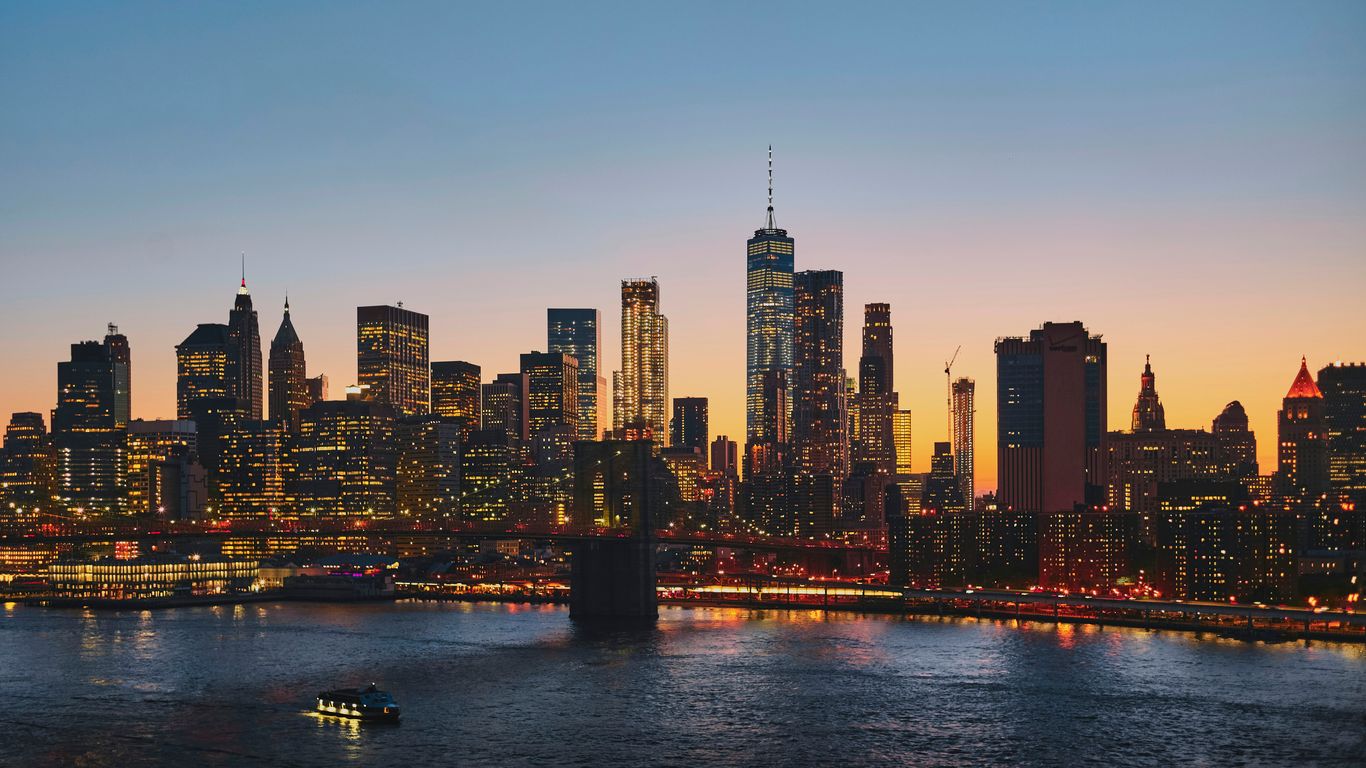
Hitting the water after dusk transforms the journey entirely, as the city lights reflect off the dark river surface. Visiting during the evening allows you to see the skyline illuminated in spectacular fashion. Many travellers consider this the most magical time to observe the transition of the metropolis after work hours.
Tips for avoiding peak crowd periods
Avoiding the crowds is usually a matter of timing your visit during mid-week or earlier in the morning. Weekends often attract many locals alongside tourists, creating longer wait times and bustling boarding areas. To keep your experience peaceful, try to schedule your departure before the evening dinner rush begins.
Combining your bumboat experience with other activities
River cruises naturally integrate with other local excursions thanks to the convenient geography of the quays. You can easily spend an entire day moving between colonial districts, modern shopping malls, and historical hubs. The following sequence demonstrates how one might spend a productive day exploring the river and its surroundings.
Dining at the historic Singapore River quays
The riverbanks are lined with an array of dining options that range from traditional hawker fare to upscale waterfront establishments. It is quite common to pair a river cruise with a sunset meal or a late-night dessert by the water. For an even more intense culinary discovery, one might visit the East Coast Lagoon Food Village to taste heritage hawker staples.
Visiting nearby museums and heritage districts
A short walk from several river drops brings you into the heart of the city’s history, where museums and temples preserve the local past. Exploring these areas offers a quiet counterbalance to the busy river activity. For those interested in cultural theme parks that teach moral lessons through folklore, Haw Par Villa is a unique, must-see heritage destination.
Linking river stops to City walking trails
Several river stops provide immediate access to paved footpaths that lead into the city’s green spaces and heritage trails. One popular example is the Marina Barrage, a water management hub that serves as a massive, family-friendly recreational space. These walking routes are ideal for stretching your legs after sitting through a water tour.
Tips for a comfortable boat journey
Preparing for the elements is crucial in this region where the climate is consistently warm and humid. Whether you sit inside or outdoors, a little planning ensures you stay refreshed during your journey. Take the time to consider these aspects when you finalize your packing list.
Managing tropical weather and humidity
Humidity is a constant factor in Singapore, so choosing breathable, light-colored clothing is a great start. If you are sensitive to heat, look for boats that offer covered sections to shade you from the midday sun. Staying hydrated is essential, so bring a water bottle along for your trip.
Essential items to pack for a river excursion
Packing lightly is usually the way to go, but a few things can make the ride much more enjoyable. A light rain jacket is a handy addition in case of unexpected tropical showers, which appear and vanish without much warning. Consider carrying a portable fan or a light towel for basic moisture management.
Choosing between indoor and open-air seating areas
Deciding to sit inside or out depends on your preference for air-conditioned relief versus direct access to views and fresh air. Those who want the best unobstructed photos will naturally gravitate toward open-air decks for their visibility. If you find the heat overwhelming, prioritize indoor cabins to enjoy the narration in comfort.
Conclusion
Taking a bumboat ride provides a unique, relaxing perspective on the history of the city, perfectly bridging the gap between old maritime traditions and modern urban progress. By planning your route, choosing the right time for your interests, and integrating the experience with nearby heritage hubs, you can get the full value out of your exploration of Singapore.
Frequently Asked Questions
Are the boats wheelchair accessible?
Many of the modern vessels are designed to accommodate wheelchairs, but you should confirm availability with your chosen operator before arrival to ensure seamless boarding.
Can I purchase tickets on the spot?
Yes, you can typically purchase tickets at counters near the docks, though booking online in advance is recommended to ensure your preferred time slot.
How long does a typical bumboat trip last?
A standard river cruise loop typically takes approximately forty minutes, offering a comprehensive look at the major landmarks along the waterfront.
Are there guided audio tours available?
Usually, yes. Many vessels provide multilingual audio commentary that explains the significance of the various landmarks you pass during the journey.
Is it better to travel during the day or at night?
Daytime is best for bright, architectural photography, while the night is ideal for enjoying the city skyline light show and a more atmospheric experience.
Can I bring food or drinks on board?
Generally, most operators ask that you finish food or drinks before boarding or refrain from eating during the ride to keep the vessels clean for all passengers.
What happens if it rains?
Operators will often continue cruises during light rain, though heavy weather may cause temporary delays or service suspensions for passenger safety.