
Key Takeaways
Visiting the historic underground bunker offers a unique glance at wartime command, requiring advanced planning to ensure a smooth experience. Here are the essential points to keep in mind for your upcoming trip:
- The bunker serves as a primary site for understanding Singapore’s World War II history.
- Online ticket reservations are highly recommended due to limited daily capacities.
- Visitors should expect a moderate amount of walking throughout the underground tunnel systems.
- Guided tours often include enhanced multimedia segments that provide depth to the historical narrative.
- Nearby cultural landmarks allow for a comprehensive full-day itinerary in the area.
The history and significance of Battlebox
Deep beneath the lush hillsides of a major city park lies a structure that once dictated the fate of an island. Known as the Battlebox, this underground complex served as a nerve centre for military operations and remains a vital link to the past. It represents the complexities of wartime leadership and the difficult decisions forced upon personnel during the early 1940s.
Origins as a command centre
The facility was constructed in the late 1930s as a bomb-proof command centre designed to secure British military efforts. It was officially recognized as the Headquarters Malaya Command and provided a shielded environment for decision-making during the escalating tensions of the Pacific conflict.
Role during the fall of Singapore
As the Japanese army advanced, the bunker became the nerve centre where commanders evaluated their position and capacity for defense. It was here that pivotal discussions took place, marking a significant turning point in history for the British army and the local population alike. These final days remain a somber reminder of the vulnerabilities faced during the period.
Post-war discovery and restoration
After years of silence, the bunker was unearthed and meticulously restored to reflect its historical importance. The restoration process involved recreating rooms based on archival records and survivor accounts to ensure accuracy. Today, visitors can walk through these halls to gain a better appreciation of the challenges from that era.
Planning your visit to Fort Canning Park
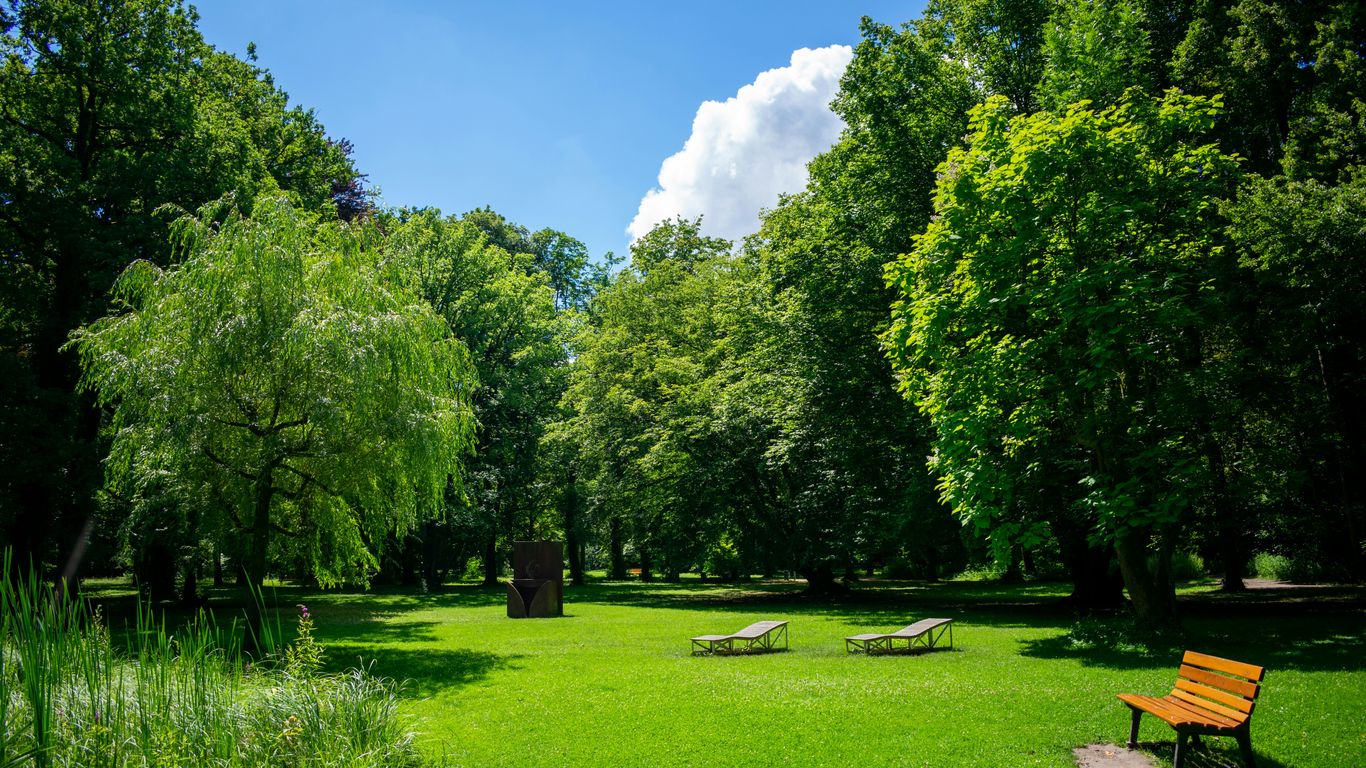
Arriving at the park requires a bit of preparation to ensure you find your way through the expansive green grounds effectively. This area, managed with care, sits near Fort Canning Park infrastructure, making it a accessible yet tranquil retreat from the urban bustle. Whether you are traveling for history or research, knowing how to navigate the space is essential for a stress-free day.
Opening hours and seasonal availability
The bunker operates on a schedule that prioritizes visitor flow and maintenance of the delicate underground conditions. It is generally open Tuesday through Sunday, closing on Mondays for specialized preservation work. During public holidays, hours may fluctuate, and it is usually best to check ahead.
Ticket pricing and booking options
Reservations are key to securing a spot, as slots often fill up quickly due to popularity. Below is a breakdown of typical admission categories for those planning their visit:
| Ticket Category | Standard Price | Notes |
|---|---|---|
| Adult (18+) | $20 | Enhanced tour included |
| Child (5-17) | $15 | Proof of age required |
| Local Residents | $15 | ID verification at entry |
Navigating to the entrance
Locating the entrance within the sprawling park grounds can be tricky for first-time visitors, but clear signage is present throughout the area. Reaching the site from the nearest MRT station is relatively straightforward, allowing you to enjoy a scenic walk through history before arriving at the door. If you enjoy Sarasota Jungle Gardens for its outdoor charm, you will find the park walk similarly rewarding.
Highlights of the guided tour experience
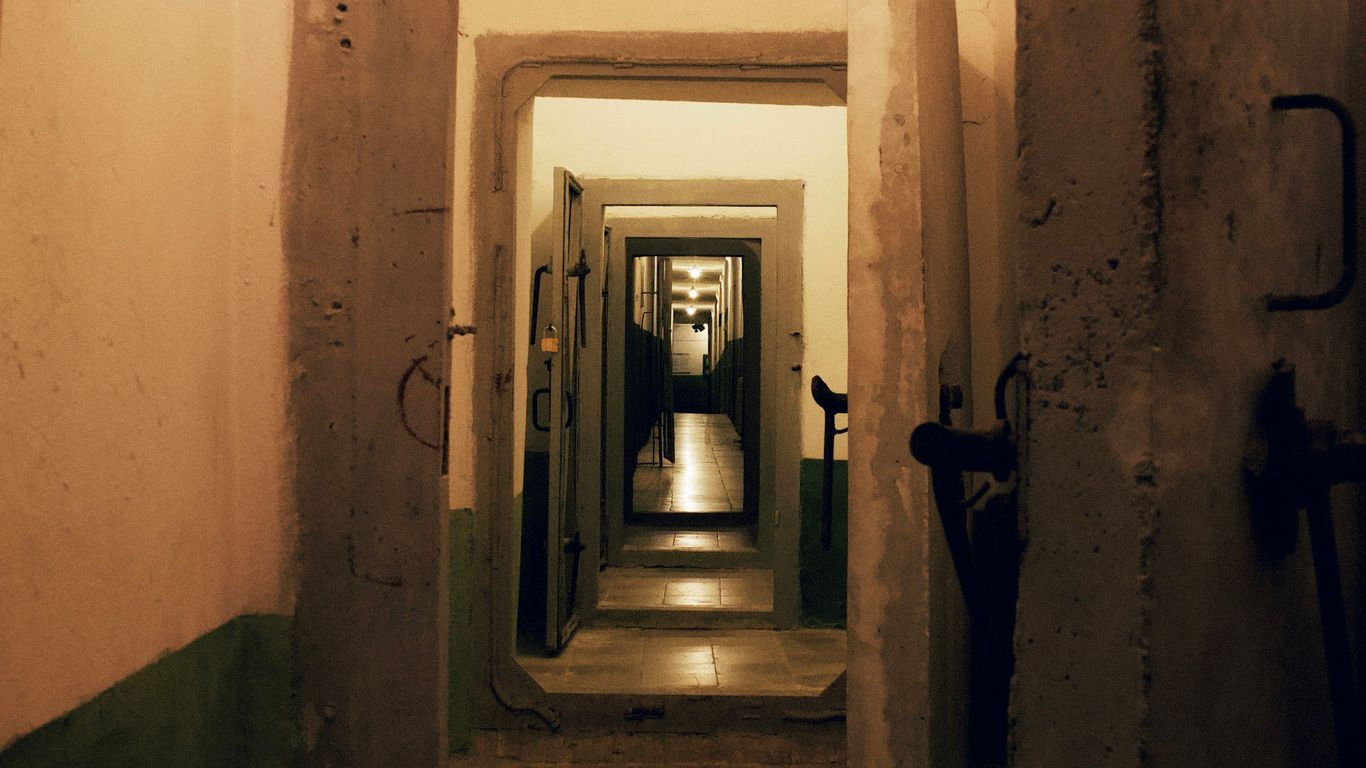
Guided tours provide far more context than a self-guided stroll, offering deep dives into the strategic layout and the human element behind the war. Whether looking for specialized historical insight or a general overview, these tours cater to various interests by utilizing multiple sensory tools throughout the visit.
The underground bunker layout
Walking through the narrow tunnels, guests occupy the same spaces where staff once lived and operated under immense pressure in 1942. The layout is designed to show how different departments were organized and how communication was maintained when surface conditions were dire.
Key historical artefacts on display
Authentic pieces are arranged to tell a chronological story of the bunker’s utility throughout the campaign. Visitors will encounter items that were fundamental to the survival and coordination of the command centre, such as:
- Original communication switchboards used for regional coordination.
- Surviving maps detailing the movement of Allied infantry units.
- Furniture preserved to reflect the austere work environment of the era.
- Personal items and logs kept by soldiers during the final surrender meetings.
Interactive multimedia presentations
Modern technology is thoughtfully integrated here, elevating the static displays into a more visceral narrative. These presentations allow guests to visualize the intensity of the period without overwhelming the quiet dignity of the bunker itself.
Important visitor requirements and accessibility
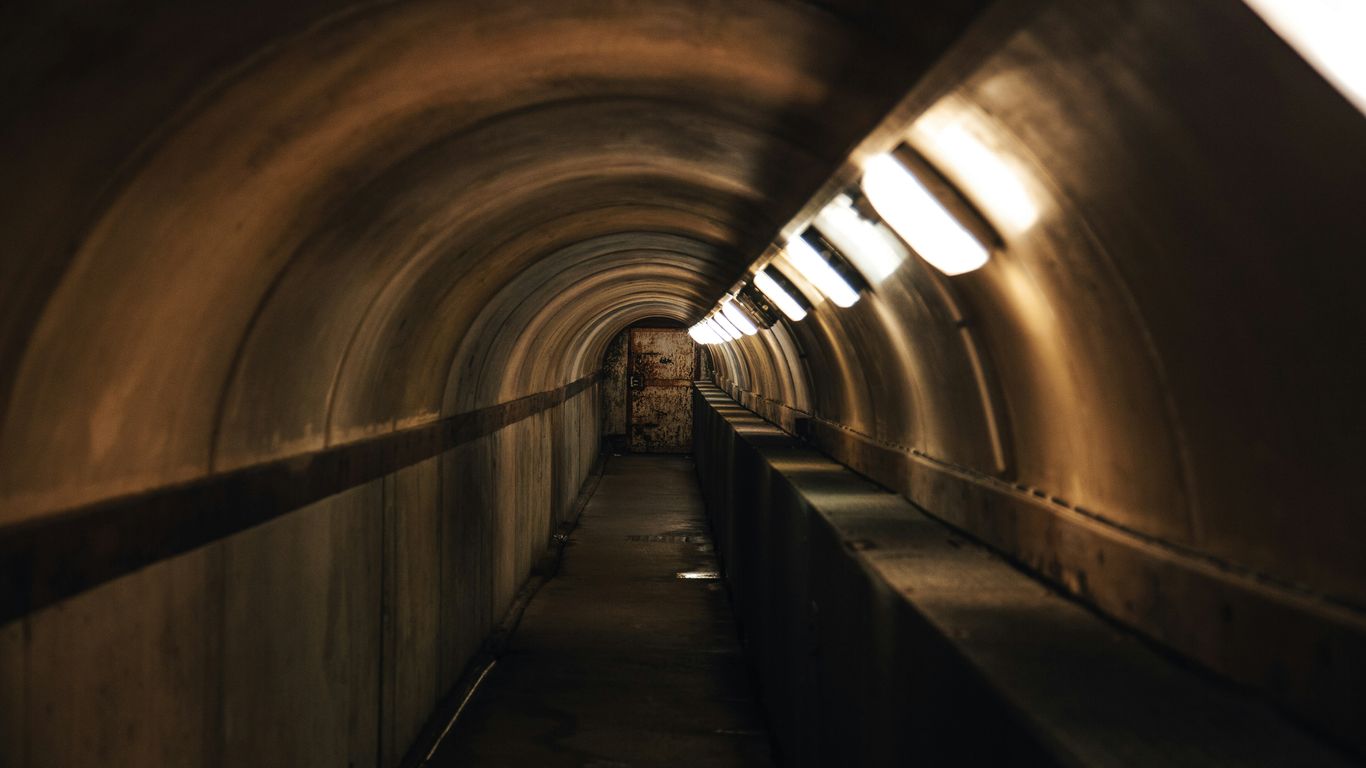
Ensuring that all guests can traverse the site safely is a priority for the management team. The bunker requires visitors to be aware of their surroundings due to the low ceilings and restricted dimensions of the tunnels. While the Taste of Singapore tours offer a culinary journey, this location remains exclusively focused on historical educational immersion.
Physical fitness and walking expectations
Most of the tour involves walking on even ground, but the environment is naturally confined. Anyone planning to join an Taste of Singapore experience later should ensure they are comfortable with the walking demands here first.
Age restrictions for historical tours
While there is no strict barrier, the subject matter and the physical environment mean it is best suited for older children and adults. Accompanied minors are welcomed, provided they can adhere to the safety guidelines set by the facility management.
Accessibility features for mobility aids
Due to the structural nature of the bunker, some areas may present challenges for specific mobility aids. However, efforts have been made to ensure that the main sections of the tour remain available to a wide range of visitors who possess a curiosity for our shared past.
Nearby historical sites to combine with your tour
Fort Canning Centre and heritage galleries
Located within the vicinity, the center acts as a hub for understanding the archaeological significance of the Hill. It bridges the gap between the military past and the long history of the site as a royal seat.
The Spice Garden and park landmarks
This curated collection acts as a living record of the economic history that shaped regional trade routes and colonial influences throughout the area.
Following a tour, a walk through this garden provides a serene contrast to the intensity of the subterranean bunker visit.
Proximity to the National Museum of Singapore
Just a short walk from the hill slopes, this museum offers an expansive collection that contextualizes the events witnessed by the bunker. It is an ideal site for those who wish to extend their learning beyond the specific timeline of the war.
Conclusion
A visit to the battle box singapore bunker provides a sobering and necessary look at the history of the island during its most difficult hours. By understanding the strategic importance of this site and respectful exploration of the ruins, visitors can piece together a complete picture of the events that transpired here, ensuring that these memories are both honored and preserved.
Frequently Asked Questions
Can I visit the bunker without a tour guide?
The facility typically operates via structured, guided formats to ensure all visitors gain necessary historical context and security protocols are met.
Is photography allowed inside the underground tunnel system?
Photography is generally permitted in designated areas, though flash may be discouraged to protect the integrity of the historical materials and projections.
What should I bring with me to the site?
It is recommended to bring comfortable walking shoes and a bottle of water, as the underground environment can be humid regardless of surface temperatures.
How long should I plan for the visit?
Most visitors find that setting aside roughly two hours is sufficient to complete the guided tour and spend some time exploring the outdoor park grounds.
Are there any dining options directly inside the bunker complex?
There are no cafes located within the bunker itself, though the surrounding park and nearby districts offer plenty of spots for refreshment after your tour.
What is the best way to get there using public transport?
The bunker is conveniently situated within walking distance of several major train stations, making it an easy addition to any city itinerary.
Is the bunker suitable for visitors who are claustrophobic?
Those who are highly sensitive to enclosed spaces may find the underground tunnels challenging, given the natural constraints of a bunker environment.