Key Takeaways
Finding the perfect plate of noodles is a joyful journey through the heart of our local culinary scene. This guide highlights the best spots to experience the unique textures and rich umami flavours that define this iconic dish.
- The broth forms the foundation of every great bowl of noodles.
- Both wet and dry styles offer distinct sensory experiences.
- Understanding the history helps appreciate the skill involved.
- Fresh seafood ingredients are essential for the best results.
- Local hawker centres remain the heartbeat of authentic eating.
1. Nam Sing Hokkien Fried Mee
Nam Sing Hokkien Fried Mee is a legendary name that sparks nostalgia for many long-time residents. Known for its distinct dry style, the noodles here are coated in a fragrant prawn-based stock that has been reduced until it is almost entirely absorbed. This technique allows the smoky aroma to permeate every strand, creating a delightfully intense flavour profile that sets it apart from more gravy-heavy versions.
The preparation process is a masterclass in patience and precision, as the hawker cooks each portion with careful attention to heat control. You will notice that the dish is served without the usual garnish of lime or sambal, allowing the natural sweetness of the prawns and the savoury depth of the pork lard to shine. It serves as a great example of the authentic taste of Singapore Hokkien Mee that many connoisseurs seek out.
For visitors hoping to gain a deeper understanding of the expertise behind these family-run stalls, the Taste of Singapore team offers guided adventures that connect foodies with the hidden stories of our hawker heritage. Eating here is less about the variety of condiments and more about appreciating the balance of base ingredients. It remains a mandatory stop for anyone wishing to experience the classic, no-nonsense appeal of this historic dish.
2. Geylang Lorong 29 Fried Hokkien Mee
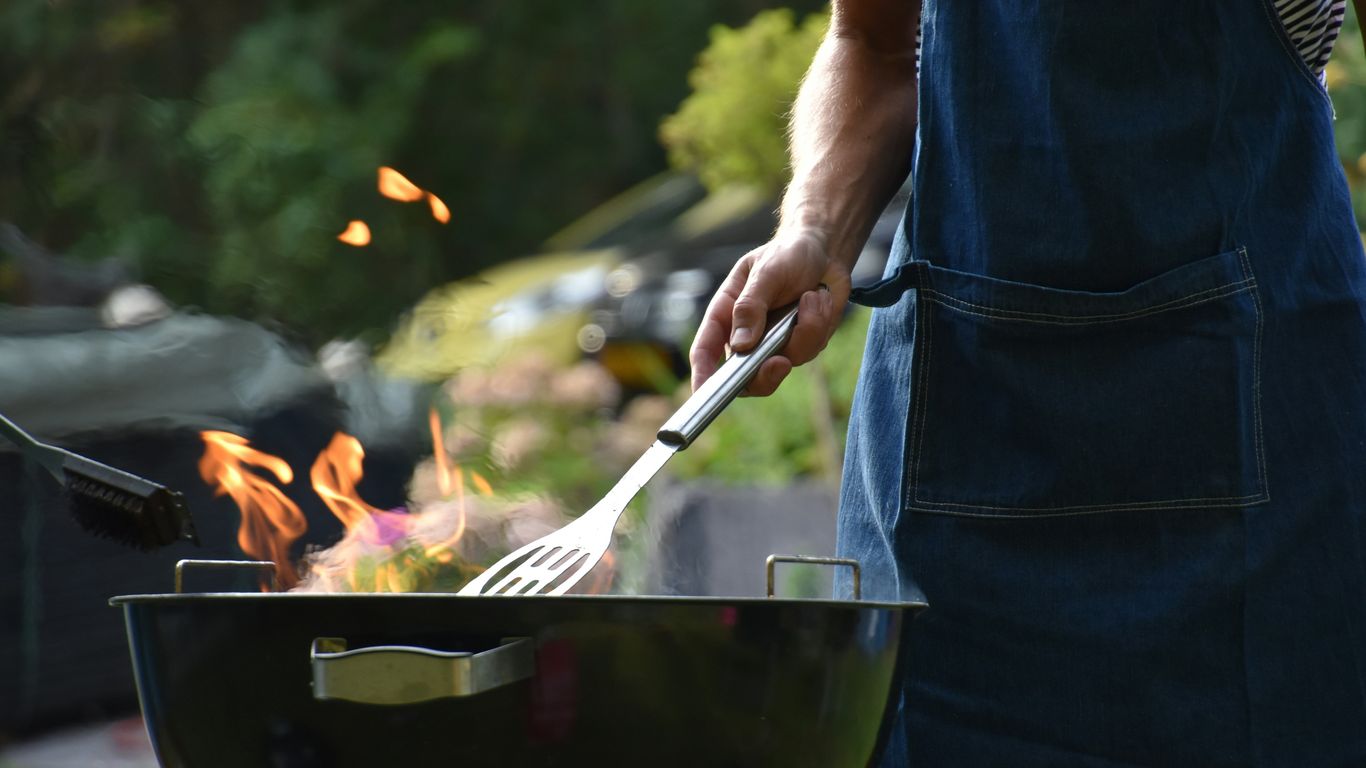
Stepping into Geylang Lorong 29 Fried Hokkien Mee feels like a dive into the traditional methods that have shaped our food culture. The stall is famous for maintaining its signature charcoal-fired method, which imparts a level of depth that modern gas burners simply cannot replicate. This is often cited as the gold standard for those who appreciate the complex layers of an authentic plate.
The experience of sitting down to a portion here is a sensory one, as you can often smell the faint, rustic scent of the charcoal long before your plate arrives. The texture of the noodles reaches a perfect middle ground—not too wet, yet not entirely dry—which satisfies a wide range of palates. It is precisely this consistency that has made them a notable contender in the local best authentic Hokkien Mee rankings.
| Feature | Observation |
|---|---|
| Cooking Method | Traditional Charcoal |
| Noodle Balance | Perfectly Moist |
| Stock Intensity | Highly Concentrated |
This specific combination of traditional fuel and refined technique serves as the highlight of their craft. After your meal, you might appreciate how the depth of the stock balances the slight char on the noodles, making for a truly memorable culinary moment.
3. Ah Hock Fried Hokkien Mee
Located within the vibrant atmosphere of Chomp Chomp Food Centre, Ah Hock Fried Hokkien Mee draws a loyal crowd that is more than willing to brave the queues. The stall is celebrated for its commitment to the classic recipe, ensuring that each plate served is piping hot and rich in aroma. Many locals identify this specific location as their go-to when they need a reliable, high-quality fix for their cravings.
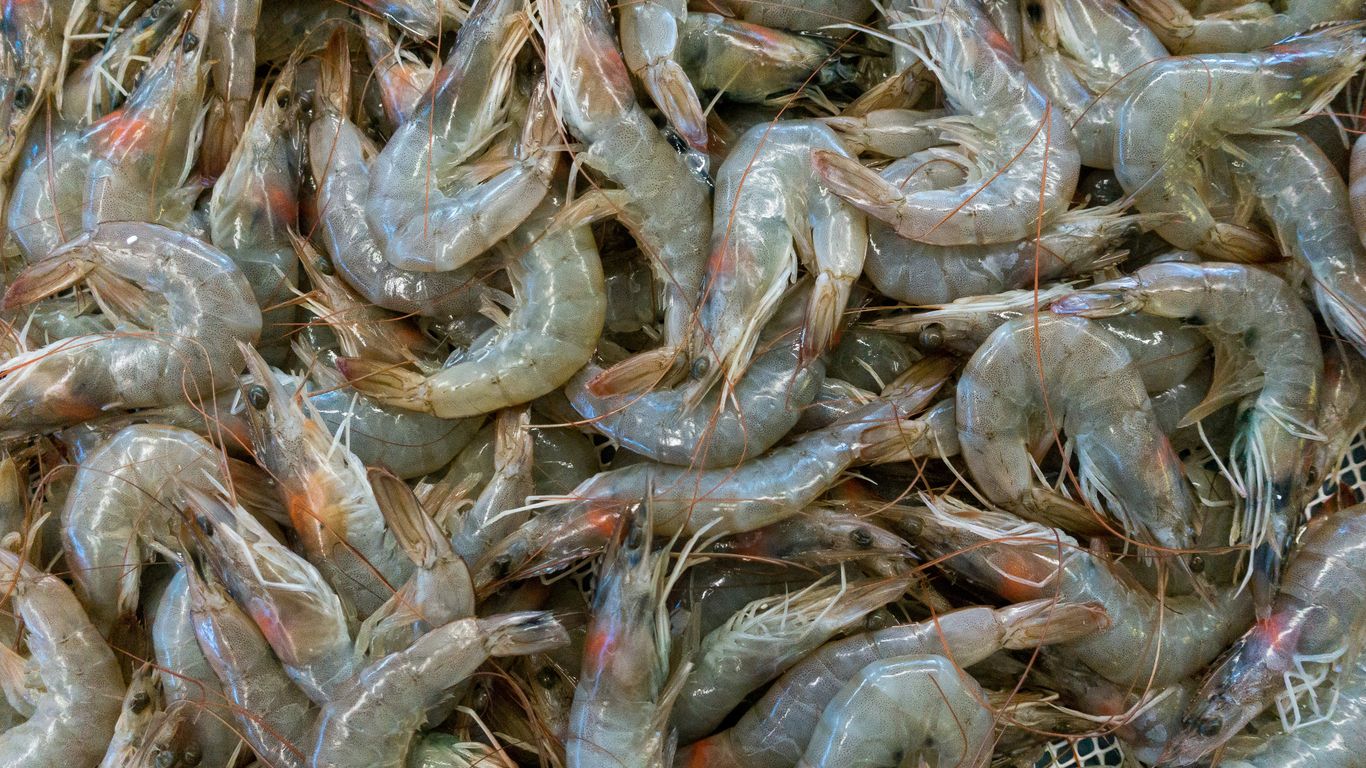
To ensure guests have the best possible experience, the Taste of Singapore provides insights into how these stalls manage such high demand while maintaining quality. The key seems to lie in the freshness of the prawns and the deliberate ratio of yellow noodles to thick bee hoon. This harmony allows the stock to coat the strands effectively without becoming overly cloying or heavy.
Beyond just the main dish, dining at a hawker centre like Chomp Chomp offers a glimpse into the authentic heart of Singapore that defines our communal dining habits. The environment is loud, bustling, and undeniably welcoming, perfect for those who want to feel the energy of local life. Visitors leave with not just a full stomach, but a better appreciation for the dedication required to keep such traditions alive.
4. Hainan Hokkien Mee
Transitioning to a different take on the classic, Hainan Hokkien Mee offers a balanced profile that appeals to those who prefer their noodles with a touch more gravy. The soup itself is clearly the star here, boiled for hours to ensure that every drop of prawn head essence is extracted. It feels deeply comforting, much like a bowl of traditional soup, but with the added bonus of firm, chewy noodles.
The visual appeal of the dish, often glistening slightly from a light coating of lard, promises a rich mouthfeel before you even take your first bite. It is a fantastic example of the regional variations that exist within the city-state, proving that there is no single right way to enjoy this meal. The subtle sweetness of the noodles balances the saltier elements of the broth, creating an equilibrium that keeps diners returning for more.
This stall benefits from a reputation built on consistency over many years. Whether you are a first-timer or a frequent visitor, you can generally expect the same quality of ingredients and care in preparation. It stands as a testament to the fact that high-quality hawker food is accessible and ever-present, forming a critical part of our culinary identity.
5. Yi Ji Fried Hokkien Prawn Mee
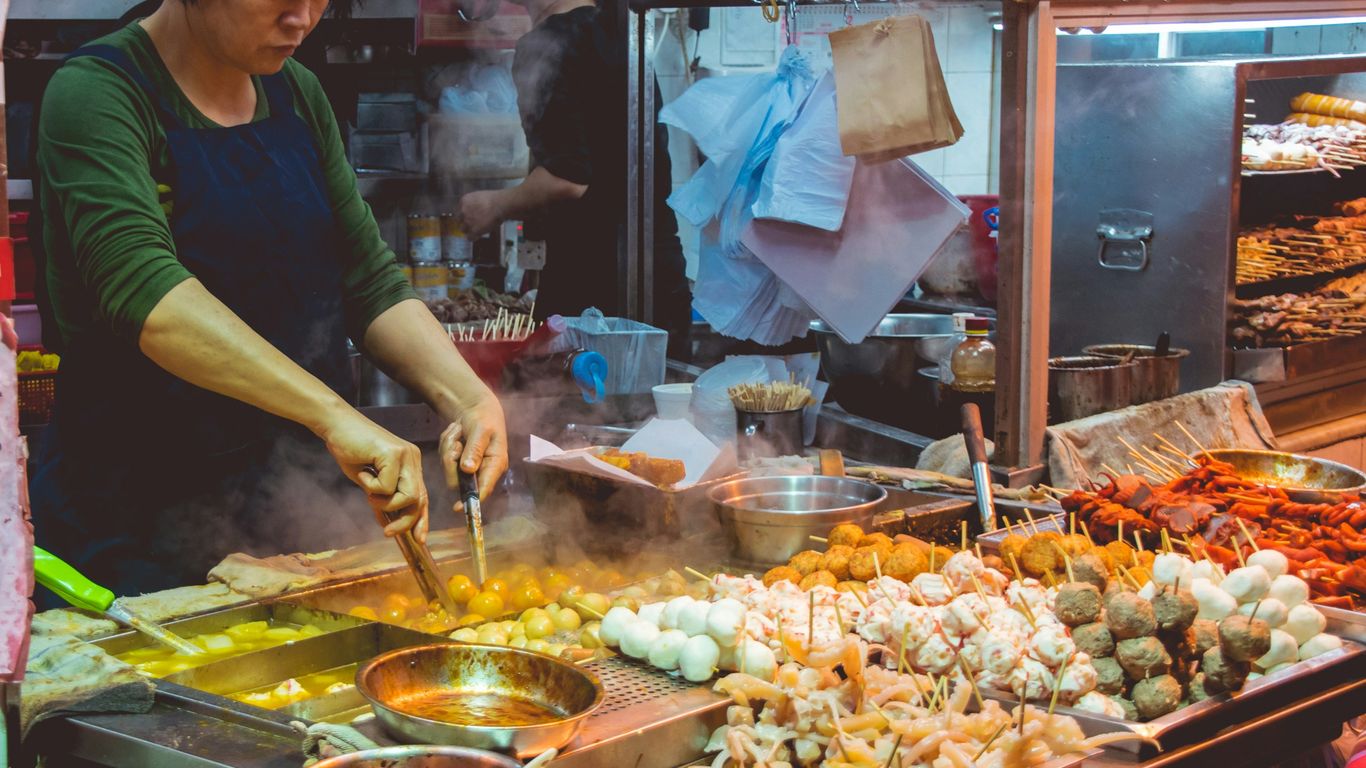
Yi Ji Fried Hokkien Prawn Mee captures the essence of a modern yet respectful take on the dish. They are known for providing a substantial portion that feels like great value, attracting both office workers during lunch and families on the weekend. The focus here is on the generous toppings and the richness of the stir-fry method, which keeps the ingredient count robust.
We have observed that a typical order at these locations includes several staple elements that you should look out for:
- Sliced pork belly for added fatty richness.
- Freshly de-shelled prawns that snap when bitten.
- A side of spicy, garlic-heavy sambal belacan.
- Sprinkles of fried shallots for fragrance and crunch.
When these components come together, they create a plate that is greater than the sum of its parts. By leaning into the Taste of Singapore mission of uncovering shared stories, we find that the popularity of stalls like Yi Ji boils down to their approachable yet satisfying flavours. They manage to keep the tradition alive while making it accessible to a new generation of diners who may be less familiar with the older, more rugged iterations.
6. Swee Guan Hokkien Mee
Swee Guan Hokkien Mee is a name that commands respect in the local food scene, particularly among those who value a traditional, labour-intensive approach. Every plate is made with the same rigor that one would expect from a master craftsman. The stock is particularly noteworthy, holding a deep, briny complexity that suggests long hours of simmering with premium grade seafood.
There is a certain theatre to watching the chef juggle the wok here, with flames leaping high as the noodles are tossed. It is this interaction of fire and starch that generates the elusive quality of flavour that makes the food so memorable. The result is a texture that is remarkably well-rounded, showing how much effort goes into ensuring every bite is uniformly seasoned.
Much like identifying the best niche site ideas for a burgeoning entrepreneur, navigating the world of hawker food requires knowing where the experts perform their craft. Those who settle for a meal at this stall are rewarded with a consistency that is hard to find elsewhere. It represents the pinnacle of what a simple prawn noodle dish can become in the hands of a dedicated cook.
7. Tian Tian Lai Fried Hokkien Mee
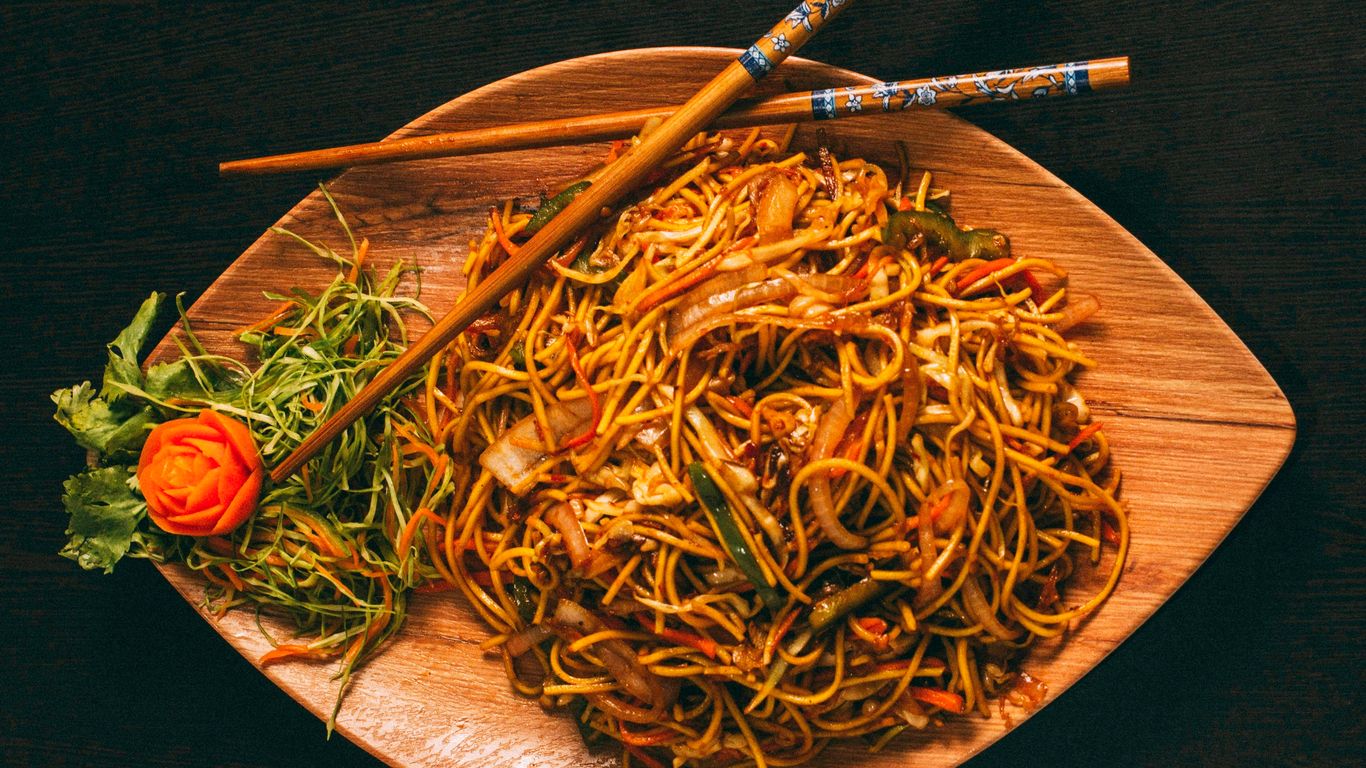
Tian Tian Lai Fried Hokkien Mee is frequently discussed in local circles for its remarkably flavourful, gooey sauce that adheres perfectly to the noodles. The intensity of the crustacean flavour here is palpable, often described as having a sweetness that only comes from extremely fresh prawn shells and heads. It avoids being overly greasy, focusing instead on the deep, natural umami that makes the dish addictive.
Many fans find that the chili served on the side provides the perfect contrast to the rich, savoury notes of the sauce. It is truly the best hokkien mee singapore option for someone who wants an intensified prawn-forward experience without the heavy char often found in dry versions. Each ingredient plays a supporting role to the soul-deep richness of the broth.
The best food often comes from the humblest of beginnings, where the focus remains on perfecting a single, time-honoured technique that brings people together across generations.
The simple philosophy of focusing on the stock quality carries through in every interaction with the stall’s service. It is a quiet, reliable gem that serves as a reminder of how high the bar is set in our local food culture. Visitors often feel they have uncovered a hidden secret by the time they finish their last forkful.
8. Hokkien Man Hokkien Mee
Taking inspiration from the past while looking forward, Hokkien Man Hokkien Mee is a noteworthy stall that has gained traction for its precise seasoning. The balance of the broth is quite remarkable, as it manages to be both light enough to keep you eating and rich enough to satisfy any craving for something hearty. It is a modern favourite that respects the structural integrity of the traditional recipe.
Their approach to seafood selection is top-notch, ensuring that everything from the prawns to the squid remains tender rather than rubbery. This attention to detail shows in the finished plate, where you can clearly see the distinction between the different elements. It attracts a broad cross-section of the population, from curious tourists to daily hawker regulars.
One might consider the Privacy Policy for the Main Street Roasters Mobile App, as even in our digital age, the core desire to share good food remains the most secure and fundamental human connection. Hokkien Man serves this connection well, providing a reliable space for people to gather and enjoy a well-prepared meal. It is a solid choice for anyone seeking a high-quality bowl that hits all the right marks.
9. Chia Keng Fried Hokkien Mee
Chia Keng Fried Hokkien Mee offers a style that feels familiar yet polished, making it a reliable destination for food enthusiasts. They excel in the medium-wet category, where the gravy is rich and aromatic without flooding the plate. This makes the noodles easier to consume while ensuring the prawn stock is present in every spoonful.
What makes this stall stand out is the crispiness of the pork lard added at the end, which brings a welcome texture contrast. It is a small detail that often makes or breaks the dish for local diners who appreciate that specific crunch. When mixed with the soft noodles and firm prawns, it creates a balanced experience that keeps the dish from feeling monotonous.
Those interested in the wider landscape of local food, including best-selling coconut milk brands for their own cooking, would appreciate the stall’s focus on quality ingredients. The dedication to finding the right balance of fats and flavours is clearly a priority here. It remains a fixture in its neighbourhood, contributing to the rich food culture that defines Singapore.
10. Eng Ho Fried Hokkien Prawn Mee
Eng Ho Fried Hokkien Prawn Mee rounds off this list with a formidable reputation for flavour intensity. The stall is known for making their noodles with a particularly punchy stock that highlights the briny nature of the seafood. It is not an understatement to say that the flavour is robust, often leaving a lasting impression long after the meal has concluded.
If you are a fan of dishes that punch above their weight, this is the place to be. The ingredients are prepared in a no-frills, efficient manner that prioritizes the speed of service without compromising on the depth of the finish. It is the type of experience that feels authentically local, with little pretension and a whole lot of flavour to show for it.
For residents or visitors who appreciate the work done by Synergy Oviedo Chiropractic regarding their community outreach, the dedication seen at local hawker gems like Eng Ho should feel quite similar. It is about community, accessibility, and improving the quality of daily life through dedicated service and care. This stall remains a must-visit for anyone serious about their prawn noodle journey through the city.
Conclusion
Exploring the different nuances of our beloved fried noodles has shown us that there is no single right way to enjoy this dish, only a collection of talented cooks each offering their own masterpiece. Whether you prefer your plate dry and smoky from a charcoal fire or wet and aromatic from a long-simmered prawn broth, the diversity found across these stalls represents the vibrant spirit of our hawker culture. We hope this guide helps you find your own favourite spot and encourages you to keep tasting the wonderful variety of flavours our city has to offer.
Frequently Asked Questions
What is the main difference between wet and dry style Hokkien Mee?
Dry style usually features reduced broth that is fully absorbed into the noodles for a smokier flavour, while wet style keeps a richer, saucier consistency that emphasizes the prawn-based umami.
Why is wok hei so important for this dish?
It refers to the smoky, complex flavour imparted by cooking at very high heat in a seasoned wok, which acts as a crucial element in creating the characteristic aroma of the dish.
Is it common for the dish to contain pork lard?
Yes, crispy pork lard is a traditional ingredient often used to provide a savoury depth and fatty richness that enhances the overall flavour profile of the seafood broth.
Why does the quality of the prawn stock matter so much?
The stock is the fundamental building block of the dish; it contains the essence of the aromatics and seafood, dictating the intensity of the umami flavour in every single bite.
Are the lime and sambal mandatory additions?
While not strictly mandatory, they are used to cut through the richness of the lard and stock, providing a citrusy and spicy contrast that many diners find essential for a balanced plate.
How often should one expect queues at popular stalls?
Popular hawker stalls often have consistent queues during lunch and dinner peak hours, so visiting slightly outside these windows can often save wait time while still securing a fresh plate.
Can visitors eat this dish throughout the day?
Most hawker centres operate throughout the day, though individual stalls have their own closing times, making it wise to check availability if you have a specific stall in mind.