
Key Takeaways
Amoy Street Food Centre serves as a cornerstone of Singaporean culinary heritage, offering a vast array of affordable and authentic hawker dishes within the busy central business district. Bringing together traditional legacy stalls and modern culinary experiments, it represents the heart of the local food scene.
- It features the highest concentration of Michelin-recognized hawker stalls in Singapore.
- Most stalls operate primarily during weekday lunch hours for office crowds.
- The two-level layout offers distinct culinary zones for breakfast, lunch, and late snacks.
- Visitors should prepare for significant crowds by arriving early or late in the lunch window.
- Cashless payment options are widely available, though keeping small change is still useful.
Getting to know Amoy Street Food Centre
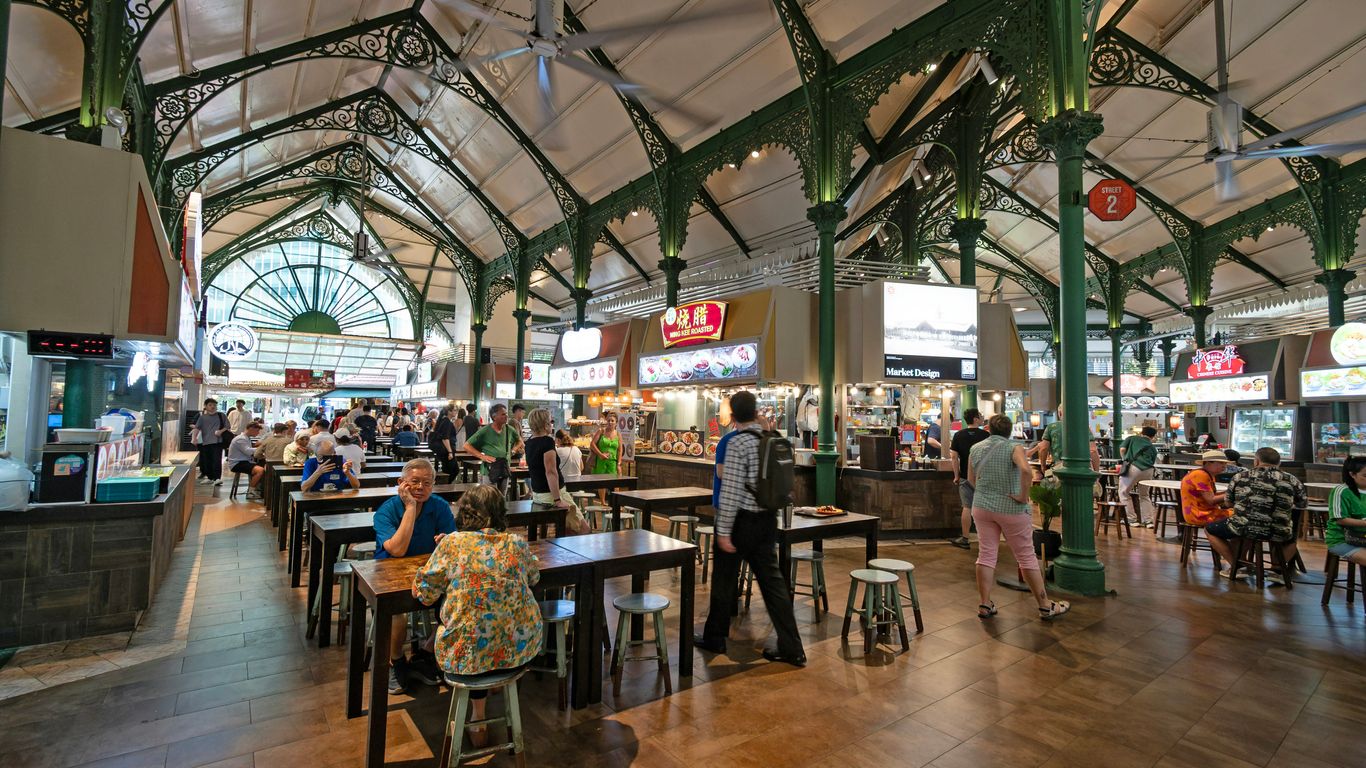
Located at 7 Maxwell Road, Amoy Street Food Centre sits right in the middle of Singapore’s vibrant financial district. It is remarkably convenient for anyone commuting via public transport, as it is just a short walk from both Tanjong Pagar and Telok Ayer MRT stations.
Location and public transport access
The central location makes this food hub highly accessible for both corporate workers and curious travellers arriving from nearby transit hubs. Whether you are coming from the heritage-rich Chinatown area or the modern skyscrapers of the CBD, the site is well-connected to major bus routes and rapid transit lines that serve the downtown area.
Understanding the operating hours
Most vendors here cater strictly to the weekday professional crowd, meaning the centre is busiest from Monday through Friday between 11:00 a.m. and 2:00 p.m. While a handful of establishments may open briefly on Saturday mornings, many close down completely during weekends and public holidays to reflect the quiet nature of the district at those times.
Navigating the two-level layout
The architecture of this food centre is designed to maximize space and flow for hundreds of hungry office workers. Level one typically houses quick-fix snack stalls and beverage counters, while the second floor is where you will find the more extensive collection of cooked food stalls, ranging from traditional noodle shops to modern, health-conscious grain bowls.
Iconic must-try stalls
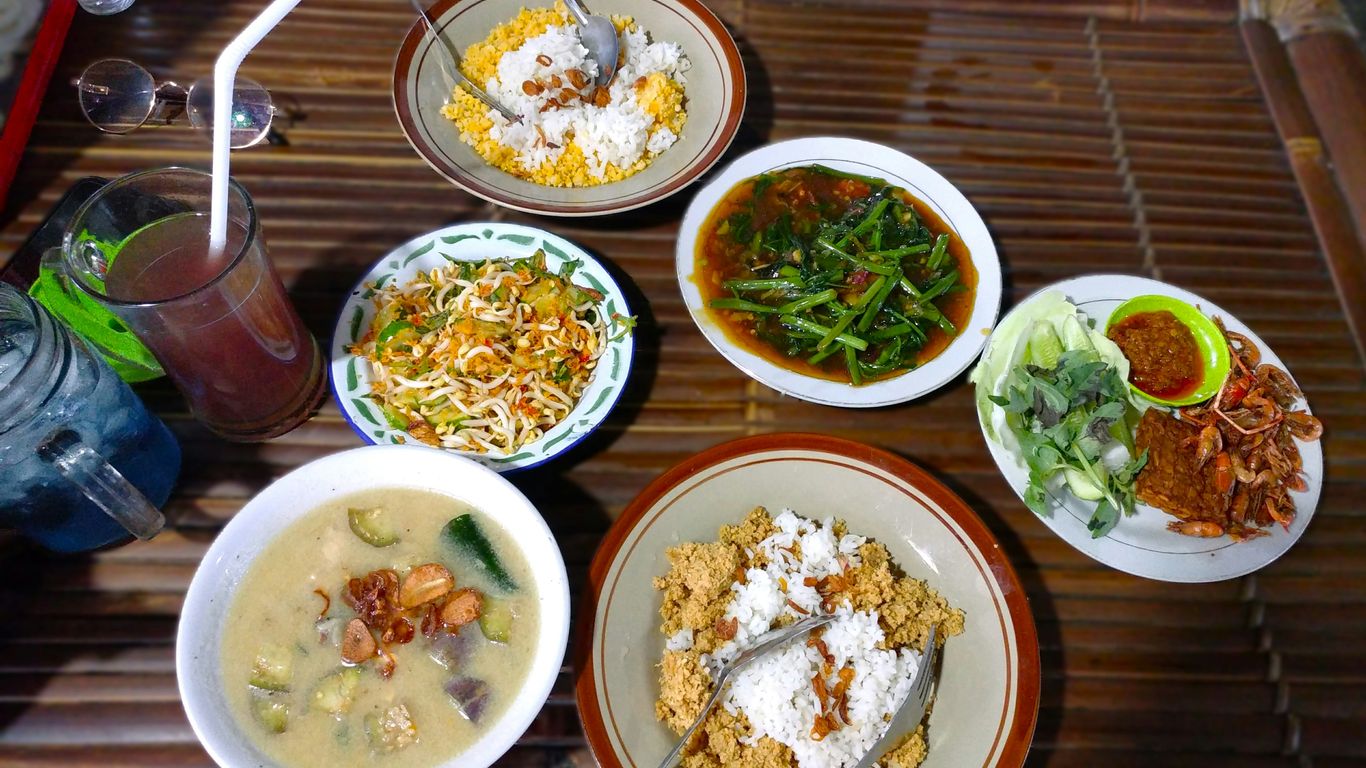
Stepping into this historic hawker space, you immediately sense the diverse culinary legacy of Singapore preserved in every stall. From the Michelin-recognised masters to the quiet legends of the craft, every vendor here has a story worth tasting.
Michelin Bib Gourmand recipients
Several stalls here have earned the prestigious Michelin Bib Gourmand status, drawing consistent praise for their quality and value. Patrons can enjoy high-end techniques applied to humble ingredients, making these specific vendors a fantastic starting point for any visitor looking to understand the pinnacle of the city’s hawker craft.
Renowned local legacy vendors
The longevity of certain businesses here speaks volumes about their consistency and appeal across generations. Use this table as a quick reference for finding the most celebrated historic stalls that define the local identity:
| Stall Name | Culinary Specialty | Known For |
|---|---|---|
| Han Kee Fish Soup | Fresh Fish Broth | Daily Freshness |
| Wah Kee Noodle | Traditional Wanton Mee | Springy Egg Noodles |
| Hong Kee Beef Noodle | Teochew Style Beef | Rich Herb Sauce |
These veteran establishments continue to draw long-time regulars who have been queuing for their favourite bowls for years, ensuring that traditional tastes are never forgotten.
Popular spots defined by long lunch queues
Certain stalls create a specific phenomenon where lunch lines stretch well into the main walkways. These are often the spots that locals prioritize when they have extra time, knowing the wait is worth the reward for a truly exceptional, freshly prepared meal.
Traditional breakfast specialties
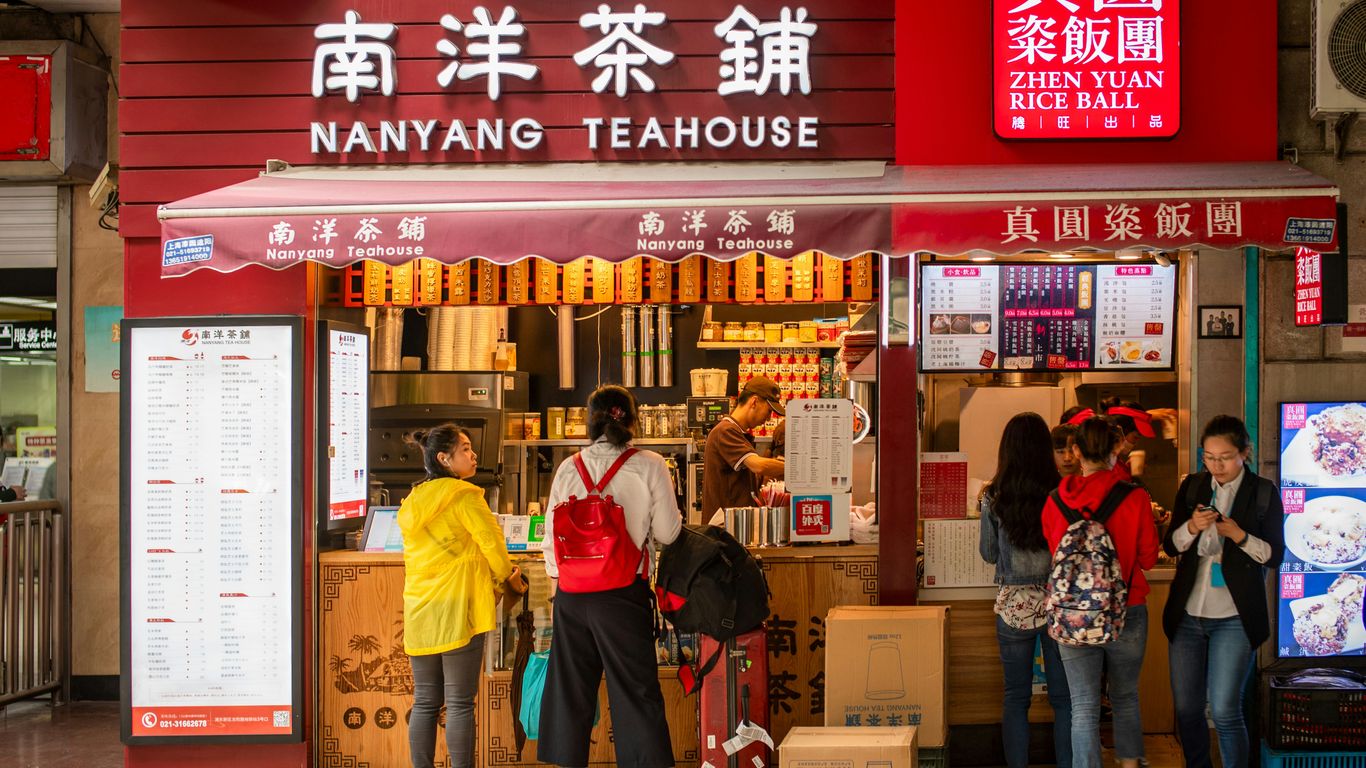
For those who arrive at the centre early enough to avoid the midday chaos, the breakfast scene offers a gentle introduction to local morning rituals. Bringing together a perfect blend of sweetness and savoury comfort, these stalls help everyone start their day with a smile, which Taste of Singapore often emphasizes in their local storytelling tours.
Authentic Nanyang coffee and tea culture
The local beverage scene, commonly referred to as kopi and teh, is served in methods passed down through decades. Baristas meticulously craft these drinks, often with condensed milk or pulled to order, creating the signature froth and richness that enthusiasts crave.
Classic kaya toast and soft-boiled eggs
No traditional breakfast here is complete without a side of perfectly crisp toast slathered in coconut jam and served with two runny, soft-boiled eggs. This simple trio represents the standard morning comfort for many residents and remains an essential Singaporean culinary experience for any newcomer.
Selection of traditional morning snacks
In addition to the mainstays, there is a variety of light snacks like steamed buns, glutinous rice, or savoury pastries that provide a quick bite. These items are perfect for those who want a flavourful start without committing to a full, heavy meal before their workday begins.
Diverse noodle and rice staples
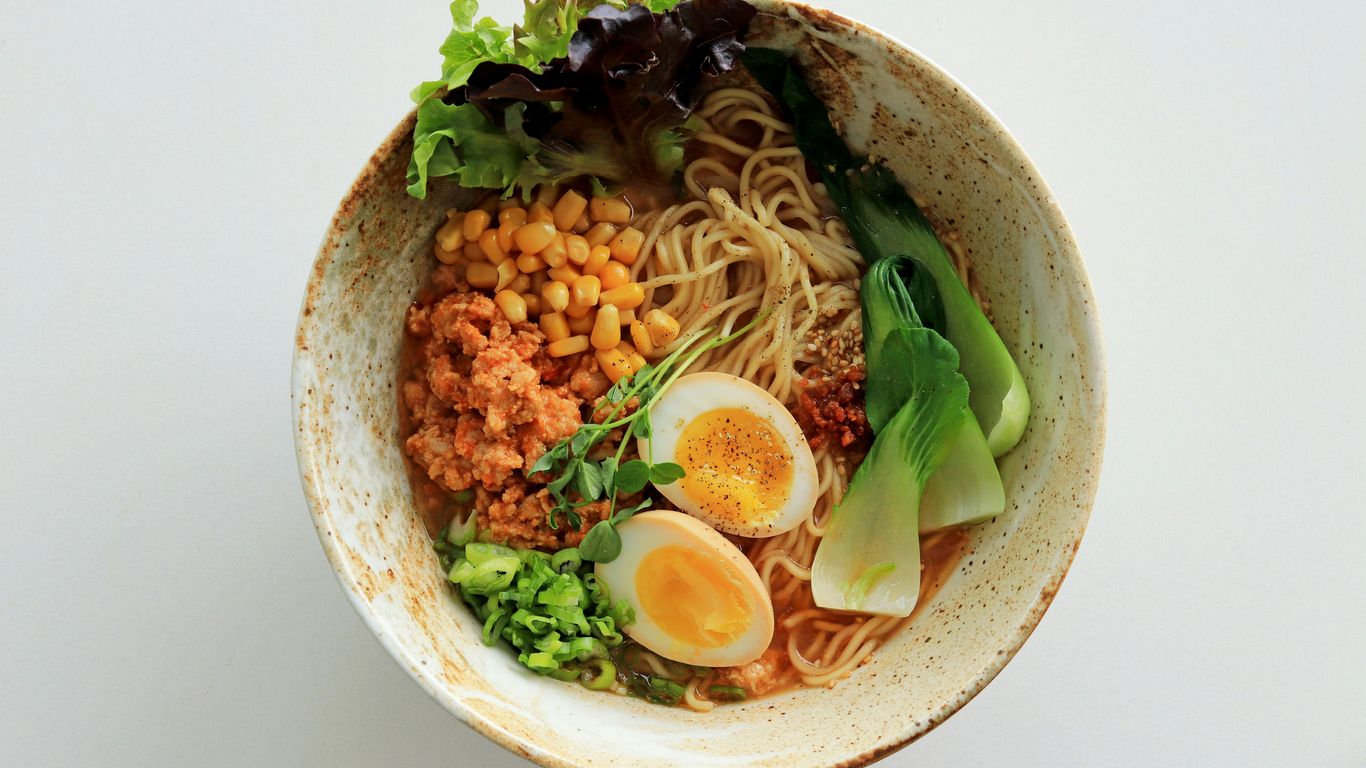
When the main lunch rush arrives, the centre truly transforms into a symphony of flavours and textures. If you choose to join a guided culinary walk with Taste of Singapore, you will find that these stalls provide the foundation for understanding our heritage.
Signature fish soup and seafood broths
Fresh slices of fish, often bathed in a delicate, milk-infused broth, provide a clean and incredibly comforting option for those seeking a lighter lunch. The balance of ginger, fish bones, and greens makes these soups a standout choice for thousands of diners daily.
Authentic lor mee and prawn mee variations
For something more substantial, vendors offer these iconic dishes that focus on deep, aromatic gravies or crustacean-rich stocks. Here are a few must-try staples for noodle enthusiasts:
- Braised rich gravy noodles with crispy toppings.
- Traditional prawn mee with fresh jumbo-sized shrimps.
- Dry-tossed noodles with spicy chili and lard bits.
- Hearty soup-based variations featuring diverse offal.
These dishes offer a complex mix of spices and textures that can only be found in the most well-established hawker environments.
Famous curry rice and Hainanese chicken rice
Fragrant rice paired with expertly cooked chicken or a medley of curried vegetables and meats satisfies those with a large appetite. As Taste of Singapore experts note, these comfort foods are the backbone of local lunch culture, providing immense satisfaction in every single bite.
Healthy and inclusive menu options
Focusing on balanced nutrition, the food centre has responded to the growing demand for lighter fare. While local food is often indulgent, you can easily find ways to eat well by choosing raw or steamed options.
Freshly pressed fruit and vegetable juices
Smoothie and juice stalls are tucked away to provide cooling, nutrient-dense beverages that help balance out the rich, deep flavours of a spicy fried dish. Customers often appreciate the ability to customize their sugar levels or add unique local fruits to their daily intake.
Plant-based and nutritious grain bowl alternatives
Modern vendors have entered the scene, offering grain bowls that incorporate quinoa, brown rice, and fresh vegetables alongside traditional proteins. This shift adds an inclusive layer to the menu, ensuring that those with specific dietary preferences feel just as welcome as traditionalists.
Range of lighter, broth-based meal choices
Beyond fish soup, several stalls offer clear vegetable broths or lightly seasoned tofu dishes that emphasize ingredient quality over heavy oils. These meals are excellent choices for anyone who wants to enjoy the social aspect of eating in a hawker centre without feeling sluggish afterward.
Essential dining tips for visitors
Navigating a bustling food centre requires a bit of local know-how to ensure you secure a seat and your preferred meal. Understanding the flow of the crowd is key to a stress-free dining experience.
Beating the peak weekday lunch rush
Success in finding a table often comes down to timing; either arrive before 11:30 a.m. or aim for after 1:15 p.m. to avoid the most intense parts of the lunch window. This simple adjustment turns a frantic experience into a relaxed, enjoyable meal in the heart of the business district.
Accepted payment methods and digital transactions
Most vendors have transitioned to offering digital payment options, including QR codes for bank-based apps, which speeds up the ordering process. However, it is never a bad idea to keep a few small cash denominations in your wallet, as occasional technical glitches can affect online systems on busier days.
Familiarization with tray return and shared seating etiquette
Respecting shared spaces is paramount in any local hawker environment. Guests are expected to return their trays to the designated collection points and never ‘reserve’ a table by leaving personal items unattended for extended periods, as this is discouraged by the local community.
Conclusion
Amoy Street Food Centre remains a vibrant, necessary part of the city’s life where history and local flavours converge to provide an unparalleled dining adventure for locals and visitors alike.
Frequently Asked Questions
Is Amoy Street Food Centre open on weekends?
Most stalls are closed on Saturday afternoons and all day on Sundays, so it is best to visit during the weekday lunch period for the full experience.
Which MRT is closest to the food centre?
Tanjong Pagar and Telok Ayer stations are both within short walking distances, making public transit the most efficient way to arrive.
Does the food centre offer vegetarian food?
Yes, many stalls provide vegetable-based sides, and there are increasingly more dedicated options catering specifically to vegetarian and plant-based diners.
Do I need to bring cash to eat here?
While most stalls accept digital payments, carrying cash is still a reliable practice for smaller, older vendors or in the event that payment apps are temporarily unavailable.
How do I find a seat during lunch time?
It is often helpful to keep an eye out for people finishing their meals and politely ask if a seat is available, as the environment is communal and sharing tables is the norm.
Are there any Michelin-listed stalls at this centre?
Yes, the centre is famous for having multiple Michelin Bib Gourmand-recognized stalls, offering high-quality food at exceptionally accessible street-side prices.
Is it hard to navigate the menu for a beginner?
Many stalls feature pictures of their dishes, and vendors are generally helpful if you point to items on nearby tables or ask for their signature recommendations.