
Key Takeaways
Exploring traditional architecture provides deep insights into the region’s cultural fabric and history. Knowing these elements highlights the unique fusion of Eastern and Western design principles.
- The architectural style represents a syncretism of Chinese, Malay, and European cultural influences.
- Shophouses often feature the iconic five-foot way meant to provide shelter from the tropical elements.
- Air wells were essential in interior designs to encourage natural light and airflow into deep, narrow house footprints.
- Conservation efforts today are vital for maintaining the aesthetic and historical continuity of these century-old structures.
- Understanding the layout and decorative motifs helps in appreciating the historical importance of the Straits settlements.
Origins of Peranakan architectural style
The development of the Peranakan shophouse is a testament to cultural migration and adaptation during the colonial era. Settlers who established their lives in the Straits settlements integrated their ancestral traditions with local Malay house designs and imported European colonial aesthetics. This unique blend resulted in the distinct look of a heritage home that is widely recognized as a classic peranakan house today. Owners of these residences prioritized durability and style, often drawing from diverse architectural repertoires to signal status and community belonging.
Influence of Chinese, Malay, and European aesthetics
The architectural composition relies heavily on traditional Chinese floor plans that emphasize verticality, while Malay vernacular elements provide ventilation methods suited for the humid tropics. European influence arrived through neoclassical and Victorian motifs, manifesting in ornate facade details like Corinthian columns and decorative stucco work.
The role of the Straits settlements in trade
Trade routes passing through the Straits settlements brought immense wealth to merchant families who invested their capital into grander, more ornate homes. The availability of imported materials like tiles from England and Europe facilitated a level of decorative sophistication that was previously unattainable in local residential construction.
Evolution from vernacular to eclectic styles
Early dwellings were simple and functional, adhering to basic local needs, but as wealth grew, so did the ambition to display ornamental facades. This shift transformed the typical urban streetscape into an eclectic display of craftsmanship that combined structural efficiency with highly decorative artistry.
Cultural blending in early urban development
Urban development in these historical districts required a layout that could house both a growing family and a bustling trade business at the same time. The resulting architecture serves as a living record of how diverse communities negotiated their coexistence within a compact, rapidly expanding urban environment.
Key exterior features of Peranakan houses
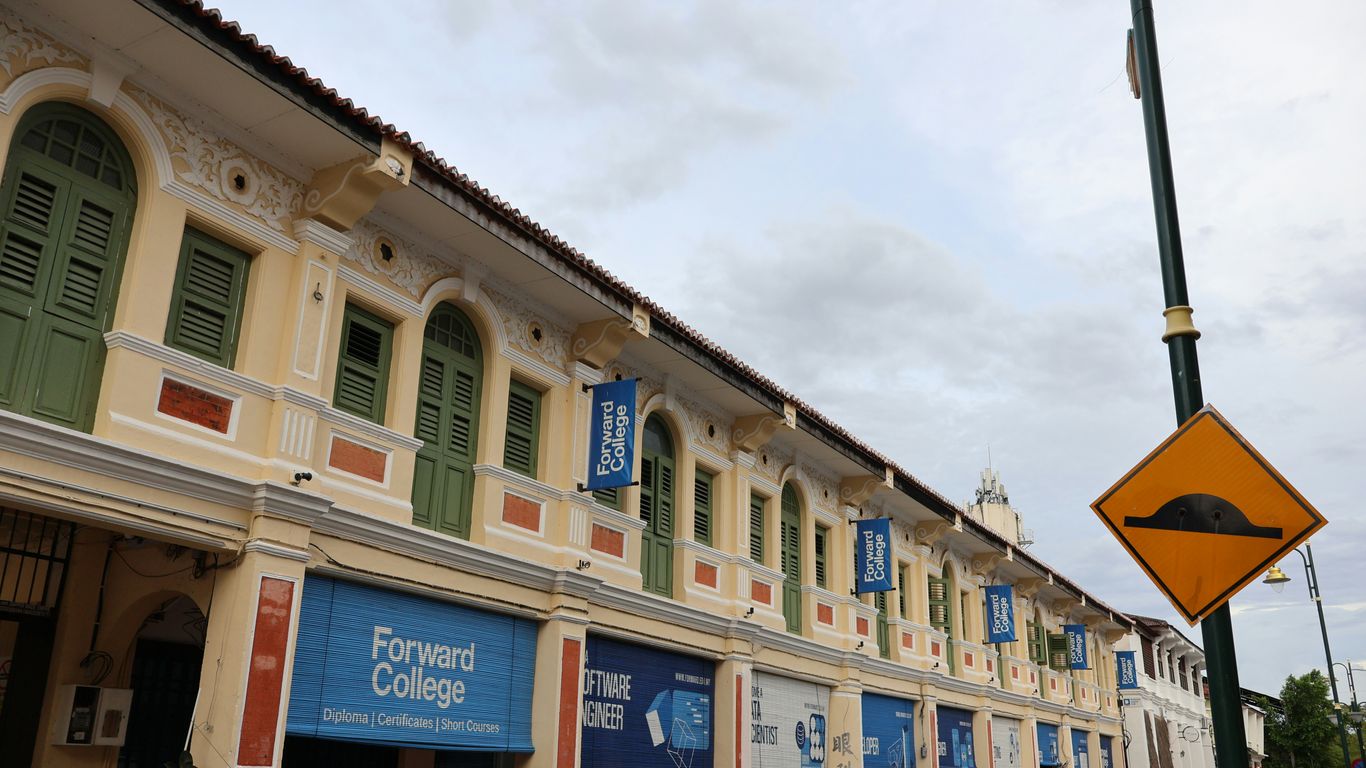
The external presentation of these homes involves a meticulous approach to decorative elements that define the neighborhood identity. Every aspect of the street-facing side was designed to be both functional for pedestrians and expressive for the homeowner, ensuring that the cultural legacy remains visible for future generations to admire while they walk through historic districts.
The significance of the five-foot way
The five-foot way is a covered public walkway built into the front of the shophouse structure. It served as a critical sheltered space for street commerce and sheltered pedestrians, creating a bridge between public life and the private dwelling interior.
Decorative ornate tiles and relief carvings
- Encaustic tiles imported from European manufacturers provide a vibrant splash of geometric color near the entrance.
- Intricate relief carvings frequently depict flora or animals that symbolize good fortune and luck for the inhabitants.
- Decorative stucco work frames the windows and doors, adding depth and architectural drama to the front facade of the building.
These physical elements demonstrate the status of the household and the craftsmanship available at the time of construction.
The use of pastel colour palettes and heavy shutters
Pastel shades like mint green, light blue, and pink were preferred to temper the intensity of the tropical sun while reducing thermal absorption on the exterior walls. Paired with heavy wooden shutters, these houses were well-equipped to manage interior temperature and privacy for the families living within.
Roof tiles and unique ventilation features
Roofing typically consisted of red clay tiles, while clever venting designs allowed rising hot air to escape from the top levels. These features ensured that despite the heavy masonry walls and deep layouts, the homes remained liveable in the high-heat, high-humidity environment of the region.
Interior design and familial living spaces
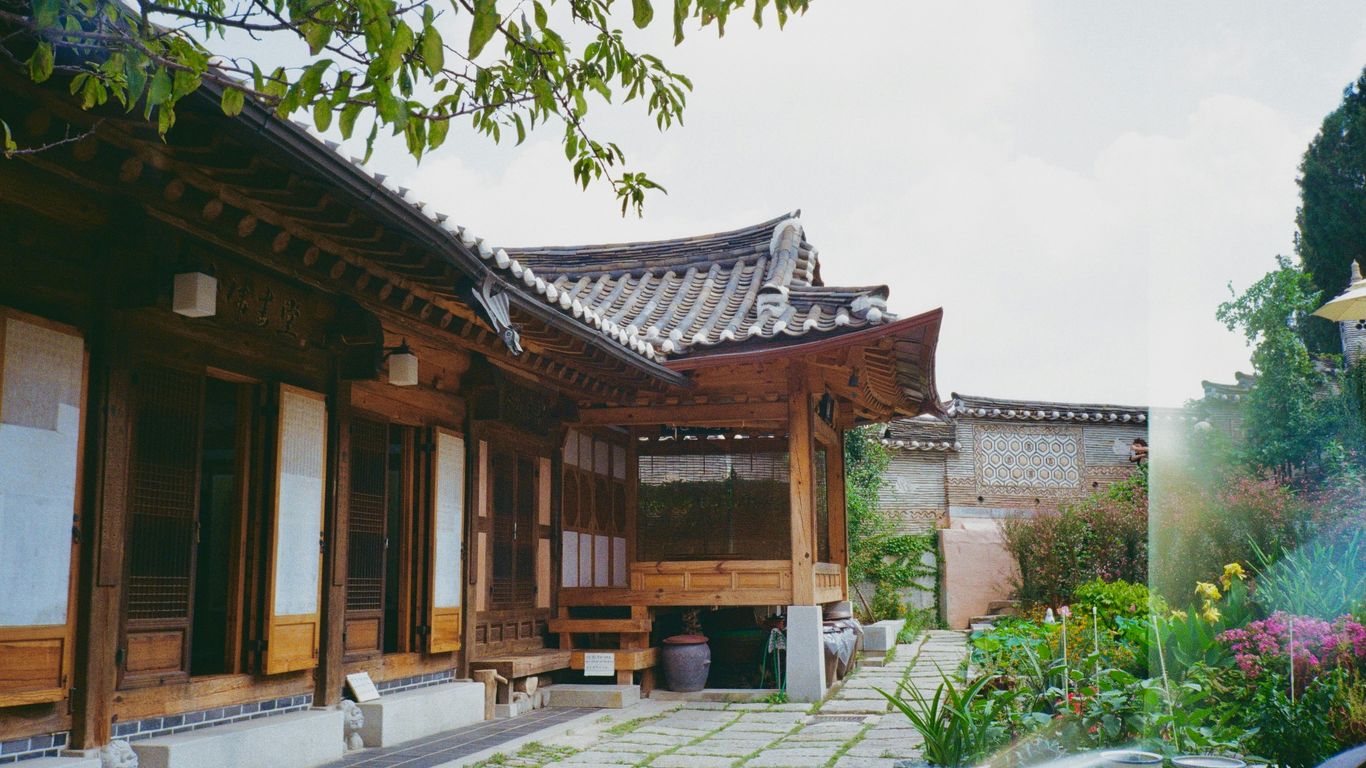
Inside these residences, the space is organized to support large, multi-generational families and the specific rituals associated with their background. Efficient use of space and light is a recurring theme that keeps these deep, longitudinal structures bright and airy throughout the day.
The layout of the air well and central courtyard
The air well acts as the lungs of the home, drawing cool air from the outside and funneling it deep into the center of the building. This feature allowed household life to continue comfortably away from the busy street noise.
Traditional furniture placement and ancestral altars
The ground floor reception area was primarily dedicated to the welcoming of guests, while ancestral altars occupied a place of honor near the inner courtyard. The arrangement of furniture followed strict rules of hierarchy, reflecting deep familial commitments.
Use of intricate encaustic floor tiles and ornate woodwork
| Feature | Materials Used | Decorative Purpose |
|---|---|---|
| Flooring | Encaustic Tiles | Visual storytelling |
| Woodwork | Teak or Mahogany | Family legacy |
| Wall Panels | Gold leaf or Lacquer | Religious devotion |
These internal finishes work together to create an environment that feels both sophisticated and deeply rooted in the family history of the inhabitants.
Spatial transitions between public and private zones
Transitioning from the busy street to the serene rear of the home involves moving through narrow corridors and open courtyards designed to ease the eyes and mind. This spatial progression ensures that the household maintains its privacy while participating in the life of the larger street community.
Conservation and modern preservation efforts
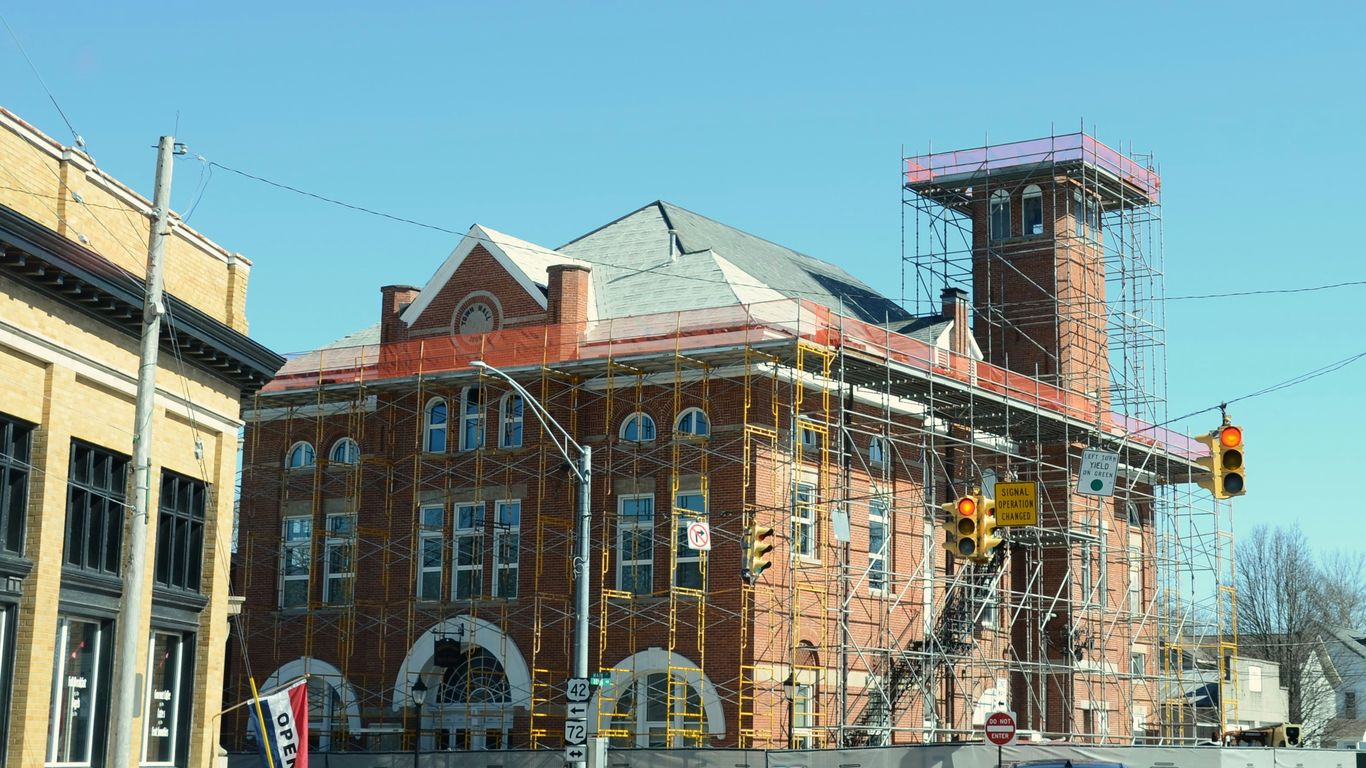
Maintaining these structures requires a delicate balance between historical preservation and modern health and safety standards. While homeowners appreciate the history, they must also ensure their buildings conform to modern urban safety regulations, sometimes mirroring how one balances the need for liability auto insurance alongside personal asset protection in other aspects of life.
Challenges in maintaining century-old structures
Moisture management and the preservation of original timber are among the greatest structural hurdles faced by owners today. Ensuring the integrity of original masonry requires specialist masonry knowledge and constant vigilance against termites and environmental damage.
Regulation and planning requirements for property owners
Strict conservation guidelines dictate how modifications can be performed, ensuring that the original aesthetic remains intact. Property owners are often required to consult with historical heritage experts before making any structural changes to the building envelope.
Adaptive reuse in contemporary residential and commercial spaces
Many shophouses have found new life as boutique hotels, galleries, or cafes that honor the architecture while serving modern needs. These businesses often work with groups like Taste of Singapore to highlight the importance of preserving these heritage stories for visitors.
Balancing historical integrity with modern living amenities
Updating these homes with fiber-optic internet, modern air conditioning, and efficient plumbing remains a difficult process. The goal is to integrate these services discreetly without altering the fundamental historical charcter of the interior or exterior appearance.
Iconic locations for viewing Peranakan architecture
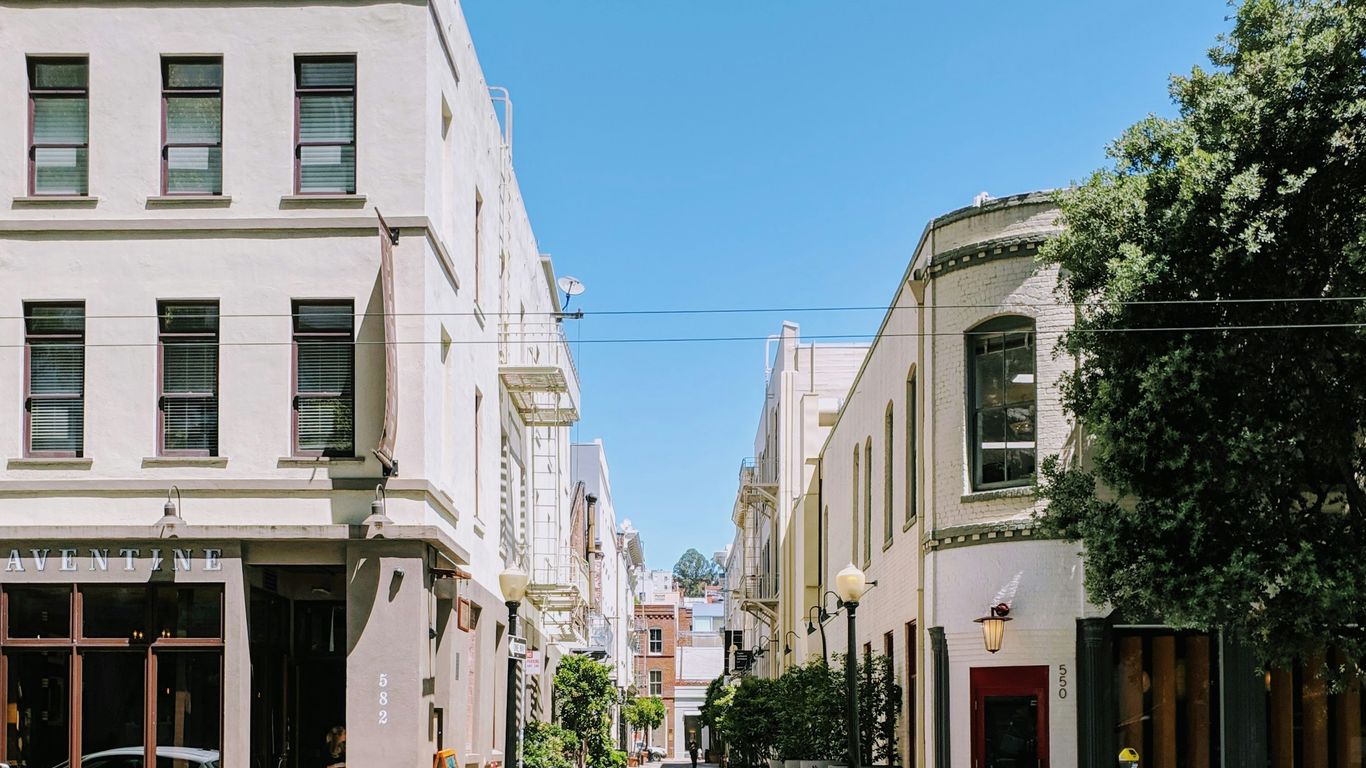
Across the city, there are several districts where the style is perfectly preserved and open to public viewing. Visiting these areas allows one to get a true sense of the urban design that characterized the region in the late 19th and early 20th centuries.
Joo Chiat and Katong districts significance
These areas serve as the primary hub for the community and contain some of the most vibrantly colored facades in the entire city. It is a classic cultural landmark that provides a quintessential experience for those interested in learning about the local heritage.
Emerald Hill conservation area highlights
Emerald Hill is well-known for its residential architecture, which showcases some of the most refined examples of shophouse design found in the country. It remains a tranquil, pedestrian-friendly zone that stands in contrast to the bustling modern shopping districts nearby.
Accessible heritage sites and museums for public visitation
Many local spaces provide guided tours that offer attendees the chance to inspect original interior furnishings and artifacts. These sites are essential for anyone who wishes to understand the daily life of merchants who lived here decades ago.
Walking tours and the importance of cultural education
Walking tours emphasize the social context of the architecture, explaining how buildings helped organize social statuses and business dealings. Education is a primary component of these tours, designed to foster a greater appreciation for the craftsmanship that defines our local heritage.
Conclusion
Preserving the history of these iconic houses is an ongoing responsibility that bridges the gap between our past and the future cityscape. By studying and respecting the unique architecture and familial heritage embodied in each shophouse, we ensure that the legacy of earlier generations continues to inform our contemporary society.
Frequently Asked Questions
Why are Peranakan houses typically so narrow and deep?
They were built on narrow plots of land where property taxes were often determined by the width of the building frontage along the street.
What does the term five-foot way refer to?
It refers to the mandatory covered walkway at the ground floor front of a shophouse, intended to provide pedestrians shade from the hot sun and protection from heavy rain.
How does a Peranakan shophouse combine Chinese and Western styles?
It features Chinese-style floor layouts for families while incorporating European decorative elements like columns, decorative plasterwork, and arched windows on the facade.
What is an air well and why have one?
An air well is a central shaft open to the sky that brings natural light, ventilation, and rain into the deeper parts of the house where windows are not possible.
Are all Peranakan houses brightly colored?
While many are famously pastel or brightly colored to reflect status and regional culture, historically some were more muted, though contemporary updates often emphasize vibrant shades.
Can visitors go inside these homes?
Some are private residences, but others have been converted into public heritage museums or commercial spaces that welcome visitors for a closer look at the architecture.
Where is the best place to find these historical buildings?
Historical residential districts like Katong and Joo Chiat are perfect for walking tours, while areas like Emerald Hill offer excellent examples of conserved shophouse architecture.
Book Your Heritage Discovery Today
If you want to experience the vibrant tastes and rich histories of these neighborhoods firsthand, check out everything our local heritage experiences offer. We provide curated insights into the traditions and architecture that make these districts so special — book your visit to join us for a journey back in time.