
Key Takeaways
Fort Canning Park serves as a historic sanctuary where royal lore meets modern Singaporean life. It provides endless opportunities to learn about the nation’s past while enjoying diverse green spaces.
- The hill was once the site of forbidden royal palaces and ancient burials.
- Visitors can explore a complex history ranging from colonial forts to WWII bunkers.
- Multiple themed gardens offer botanical variety and educational experiences.
- The park remains a highly accessible venue for community gatherings and exercise.
- Strategic planning helps travelers enjoy the location in any weather condition.
History and heritage of the hill
Fort Canning Hill stands as the highest point within Singapore’s downtown core, acting as a silent witness to the city’s evolution through the centuries. Its central location has made it a focal point for rulers, military commanders, and citizens alike who seek to understand the island’s strategic significance. Exploring this elevated terrain offers a direct connection to narratives that shaped the region during the colonial era and beyond.
Early history and ancient kingdoms
Long before the modern city emerged, the area now known as Fort Canning was dubbed the Forbidden Hill by local Malay populations. It was widely believed that the kings of ancient Singapore were laid to rest at this site, leading to its status as a highly restricted and sacred location for royal functions. Researchers have uncovered artifacts suggesting that the Forbidden Hill served not only as a burial ground but as a seat of power for rulers throughout the medieval period.
Colonial era fortifications and buildings
Following the arrival of the British, the landscape saw a dramatic transformation as it was repurposed for military defense and administrative governance. Sir Stamford Raffles established his private residence on the hilltop, turning it into a command station that oversaw the developing port below.

These structures were meant to secure the area, and traces of this period, such as the Fort Gate, still stand as silent sentinels of history. The site reflects the architectural shift from tropical dwellings to fortified defensive structures meant to project maritime strength.
The legacy of the Battle Box bunker
During the Second World War, the hill became the site of a critical underground command center, known today as the Battle Box, which serves as a window into the intensity of the conflict. The facility was designed to keep command operations functioning in secrecy, and today it preserves the atmosphere of a desperate defense.
| Facility Component | Purpose | Status |
|---|---|---|
| Control Room | Strategy coordination | Preserved |
| Signal Station | Communication logistics | Restored |
| Air Ventilation | Underground habitability | Original |
Exploring this historical site involves interacting with several key elements of the Wartime subterranean base:
- Detailed maps highlighting tactical troop positions
- Original lighting fixtures that illuminate the narrow corridors
- Audio-visual exhibits recreating the atmosphere of 1942
- Artifacts related to military logistics kept in dark displays
This site offers a somber look at how those in power planned their resistance before the eventual surrender.
Iconic sights and gardens
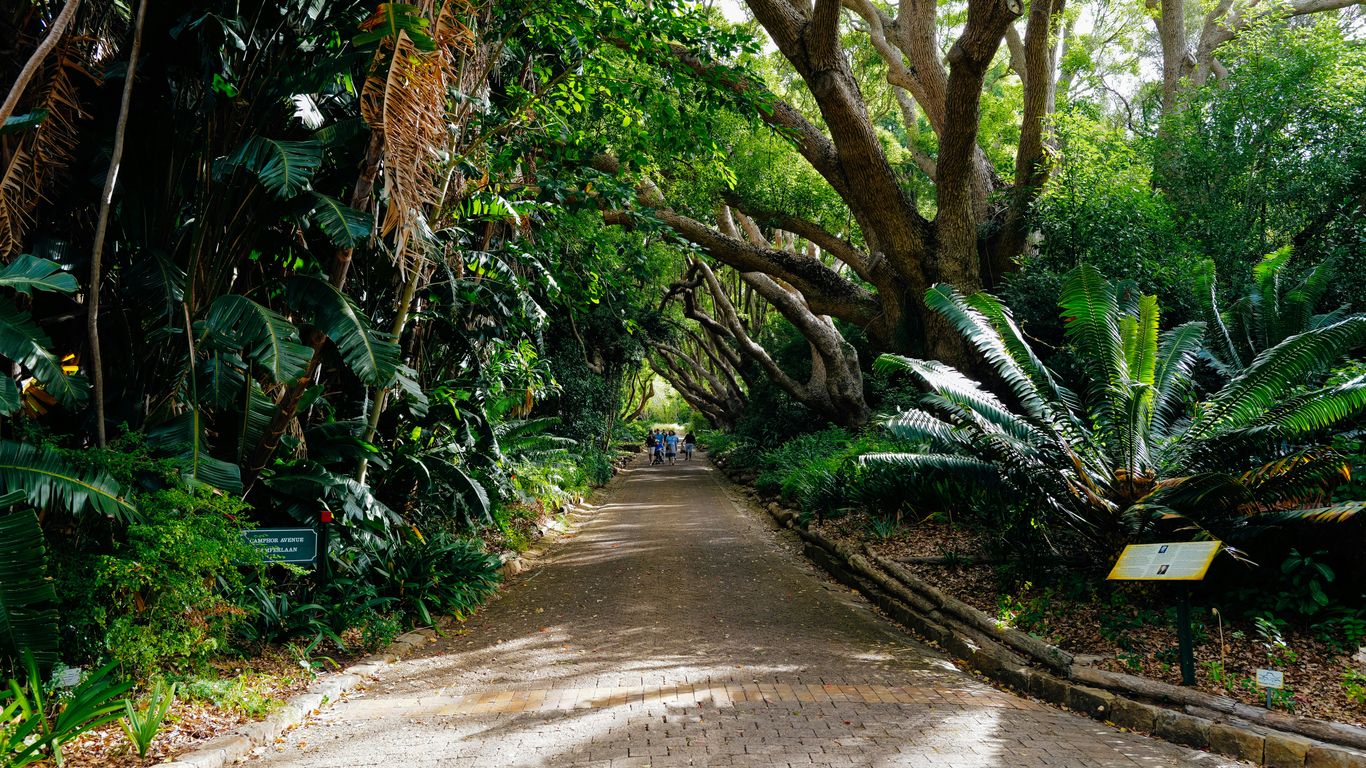
Nature and landscaping merge at the park, creating a serene environment that encourages visitors to slow down and appreciate the curated beauty. These gardens are meticulously maintained, drawing inspiration from varying traditions and botanical history to educate the public in a peaceful setting.
The viral Fort Canning Tree Tunnel
This specific architectural feature has gained widespread popularity for its unique perspective and natural framing of the sky. It features a spiral staircase that descends into a damp, leafy passage reminiscent of an ancient tunnel, acting as a gateway between the bustling modern streets above and the quiet parkland below.
Design themes of the Sang Nila Utama Garden
Named after the legendary founder of Singapore, this garden takes influence from 14th-century Javanese aesthetics to pay homage to the pre-colonial era. The layout emphasizes balance and reflection, featuring motifs that echo the historical narratives of ancient palaces and the nearby Pancur Larangan.
Educational displays at the Learning Garden
This area is specifically curated to showcase the agricultural and botanical history of the region. It highlights varieties of plants that have sustained local populations for generations, serving as a living classroom for those interested in medicinal and spice-related heritage.
Nature and outdoor recreation
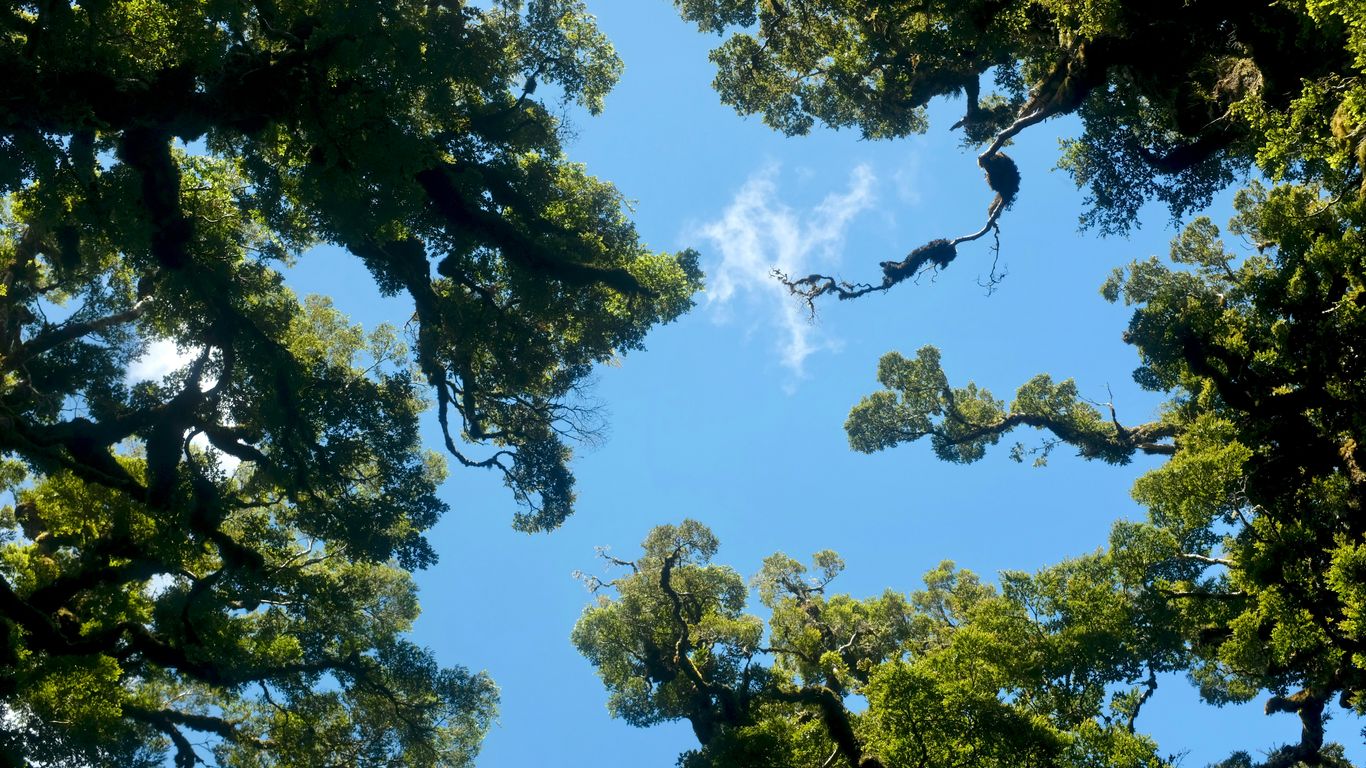
Walking through these trails provides an excellent way to maintain health while surrounded by native flora and historical monuments. Whether you are seeking a light jog or a contemplative stroll, the terrain offers a refreshing break from the urban environment.
Exploring the various walking trails
There are numerous paths that cross the hill, each offering a different vantage point with specific historical or natural significance. Many residents utilize these routes to follow healthy lifestyle habits by incorporating consistent movement into their daily routine, finding that the shade provided by mature trees makes the workout far more enjoyable than city streets.
Floral diversity and heritage trees
Botanical enthusiasts will find a vast collection of species here, including many trees that have been protected due to their age and historical importance. These giants provide a majestic canopy, ensuring that the park retains its cool, verdant character even during hotter afternoons.
Best photography locations for nature enthusiasts
Many visitors find success capturing wildlife or stunning light effects along the outer paths.
These spots are often quieter than the central attractions, allowing for clearer shots of local birds and floral growth without the distraction of large crowds.
Community and event programming

This green lung serves as a versatile venue for the public to connect with arts and cultural programming. It is common to see people gathering for shared interests, as the park remains central to many local creative and social initiatives.
Hosting outdoor theatre and performances
Large grassy areas are frequently utilized for live displays, turning the hill into an amphitheater that connects history with the arts. These performances often leverage the backdrop of colonial-era structures to add gravitas to modern storytelling.
Recreational use as an urban picnic space
The park offers a relaxing getaway where families and friends set up for an afternoon of quiet dining and conversation amidst the trees. It is a shared space that encourages outdoor interaction, providing a calm atmosphere that feels removed from the density of the nearby business district.
Seasonal art installations and public exhibits
Periodically, the park creates room for temporary collections that challenge visitors to look differently at their surroundings. These exhibits often highlight the intersection between contemporary creative expression and the long-standing natural history of the grounds.
Planning your visit
Navigating the park is straightforward once you understand the primary access points and the terrain.
Navigating the park terrain and slopes
While largely accessible, the hill has varied gradients that require comfortable footwear, especially around the older sections of the fort fortifications. Visitors typically start from the main entrances near the city center and follow clear signage towards key landmarks.
Optimal times of day for escaping the heat
Morning walks provide the most temperate conditions, as the dense overhead shade helps keep the ground cool before the afternoon sun reaches its peak. If you find the humidity challenging, relying on expert climate control solutions from Climate Heating & Cooling within your home or office serves as a good preparation for transitioning out into the open air.
Public transport access and nearby parking options
Getting to this location is convenient, with several MRT stations located within walking distance of the various park entrances. Multiple parking zones are also available on the periphery, allowing for easy access whether you choose public or private transport to reach this historic urban oasis.
Conclusion
Fort Canning Park connects visitors to the heartbeat of Singapore, balancing royal history, colonial legacy, and a vibrant green future. Whether exploring hidden sally ports or simply walking through heritage trees before catching a show, this location rewards every visitor with its peaceful and reflective character.
Frequently Asked Questions
Is it free to enter Fort Canning Park?
Yes, the park is open to the public without an entrance fee, making it one of the most accessible green spaces in the city.
Can I book a tour of the grounds?
While general exploration is free and encouraged, certain historical sites may require scheduled booking or guided access for deeper insights.
Are there dining options inside the park?
There are limited food and beverage options within the immediate hill area, so many visitors prefer to bring refreshments or plan for a meal in the adjacent commercial districts.
Is the park accessible for strollers and wheelchairs?
Significant portions of the park are paved and accessible, though some historic paths contain steep slopes that may require careful navigation.
Can I take professional photos here?
Standard photography is permitted, but larger commercial or professional productions usually require prior approval and registration.
Does the park offer information on its plant life?
Many of the spice gardens and heritage trees are accompanied by educational signage that details their origins and history.
What should I bring for a visit?
It is recommended to bring comfortable walking shoes, sun protection, and a water bottle to ensure you stay comfortable while wandering the terrain.
Experience Local Flavors
If you want to complete your discovery of the area’s culture, explore authentic Taste of Singapore dining options to round out your visit. We provide traditional menus that honor our shared heritage; please visit our page to view available dates and reserve your table.