
Key Takeaways
Tong Heng has grown from a humble family bakery into an enduring Singaporean pastry institution known for traditional Cantonese techniques. This guide highlights the significance of its heritage, artisanal processes, and evolving business model.
- The bakery is famous for its iconic, diamond-shaped egg tarts.
- A commitment to handcrafting pastries without artificial preservatives defines the brand’s quality standards.
- Digital transformation has played a key role in the business’s recent longevity.
- The bakery serves a generational customer base reaching back nearly a century.
- Consistent ingredient sourcing ensures high product standards across all locations.
History and heritage
For nearly a century, this heritage business has remained a cornerstone of the local culinary scene. The bakery established deep roots by focusing on authentic Cantonese baking techniques that have been passed down through decades of family involvement. By grounding their operations in traditional methods, they have successfully navigated shifts in the local food landscape while retaining the core value of their original recipes.
Origins of the family bakery
Founded by Fong Chee Heng, the bakery traces its roots back to his initial migration from Guangdong, China. Bringing with him the foundational skills of Cantonese pastry making, he built a business that prioritised community and tradition above all else. This heritage remains the guiding light for the brand’s operations today, ensuring every bite reflects the history of its founder.
Evolution from humble beginnings
Throughout the decades, the bakery moved from its earliest storefront origins to become a fixture in Singapore’s Chinatown. The business has adapted to changing consumer tastes while staying true to its identity, growing from a simple tea-time stop to a celebrated destination for local families. This transformation has occurred without compromising the essential character of the shop.
Preservation of traditional techniques
Maintaining these century-old methods requires dedication to craftsmanship that modern machinery cannot replicate. The staff focus on specific manual steps that define the success of their products, such as:
- Precise dough folding for maximum flake.
- Hand-pressing crusts into signature moulds.
- Careful monitoring of temperature in traditional ovens.
- Batch-testing custard smoothness for textural integrity.
These practices ensure that the taste remains familiar to long-time patrons while building a legacy for future apprentices who take up the trade.
Signature diamond-shaped egg tarts
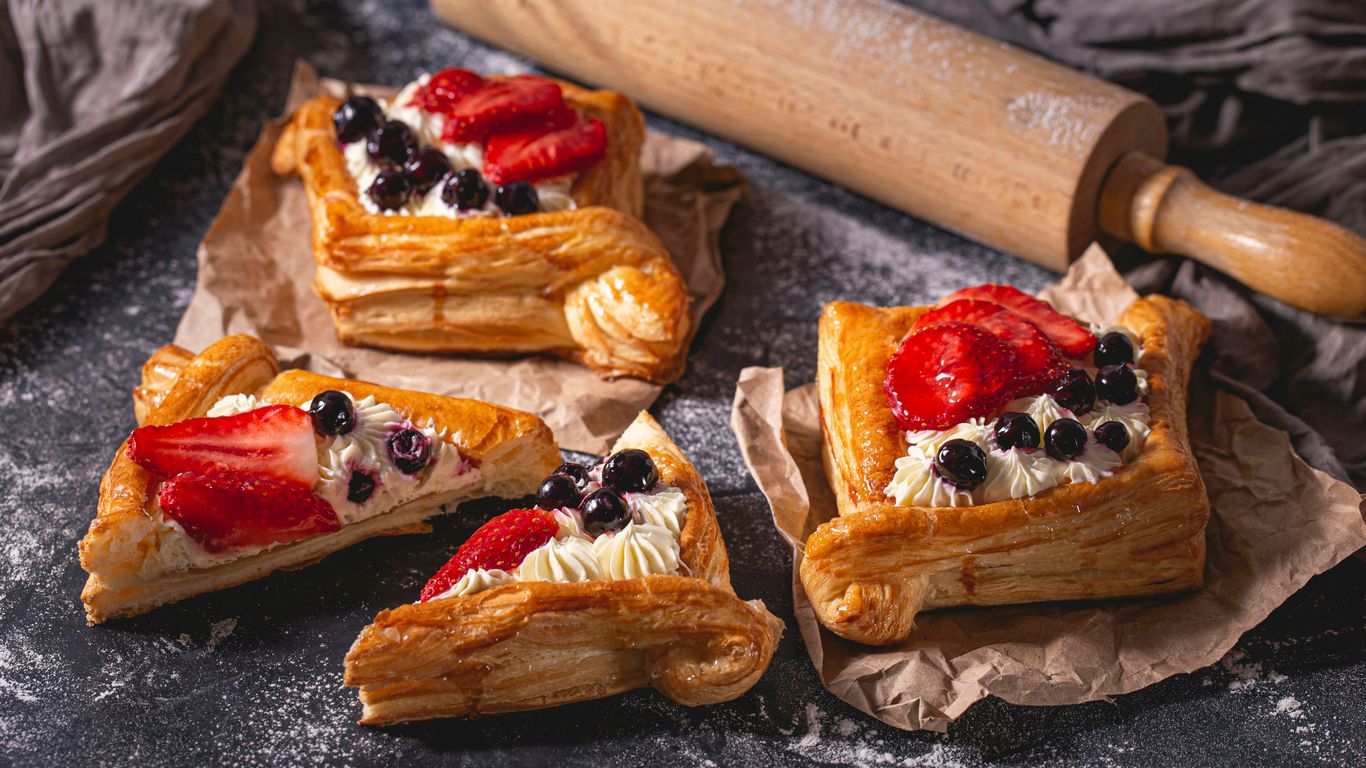
These pastries have become synonymous with the bakery, standing out not just for their taste but for their distinct visual profile. They represent a unique aspect of Cantonese pastry tradition that focuses on balancing geometry with flavour. This balance has cemented their place as one of the most recognisable treats in Singapore.
Why the diamond shape is unique
Unlike the standard circular tarts found across the island, the diamond shape emerged as a distinct mark of the bakery’s craftsmanship. The design allows for a balanced distribution of custard and crust, ensuring every edge remains crisp while the centre of the tart stays tender and rich.
Texture profile of the crust and custard
The secret to their popularity lies in the contrast between the buttery, multi-layered crust and the silky egg custard. The crust provides a delicate, crumbly texture that melts upon the first bite, while the custard offers a smooth, light sweetness that avoids becoming cloying.
The artisanal baking process explained
Baking these tarts is an iterative process that relies on the intuition of experienced bakers. The custard must be whisked to a specific consistency to avoid air pockets, while the crust requires a temperature-controlled environment to achieve its golden-brown finish. This focused process is what makes Tong Heng a benchmark for quality.
Diverse pastry menu
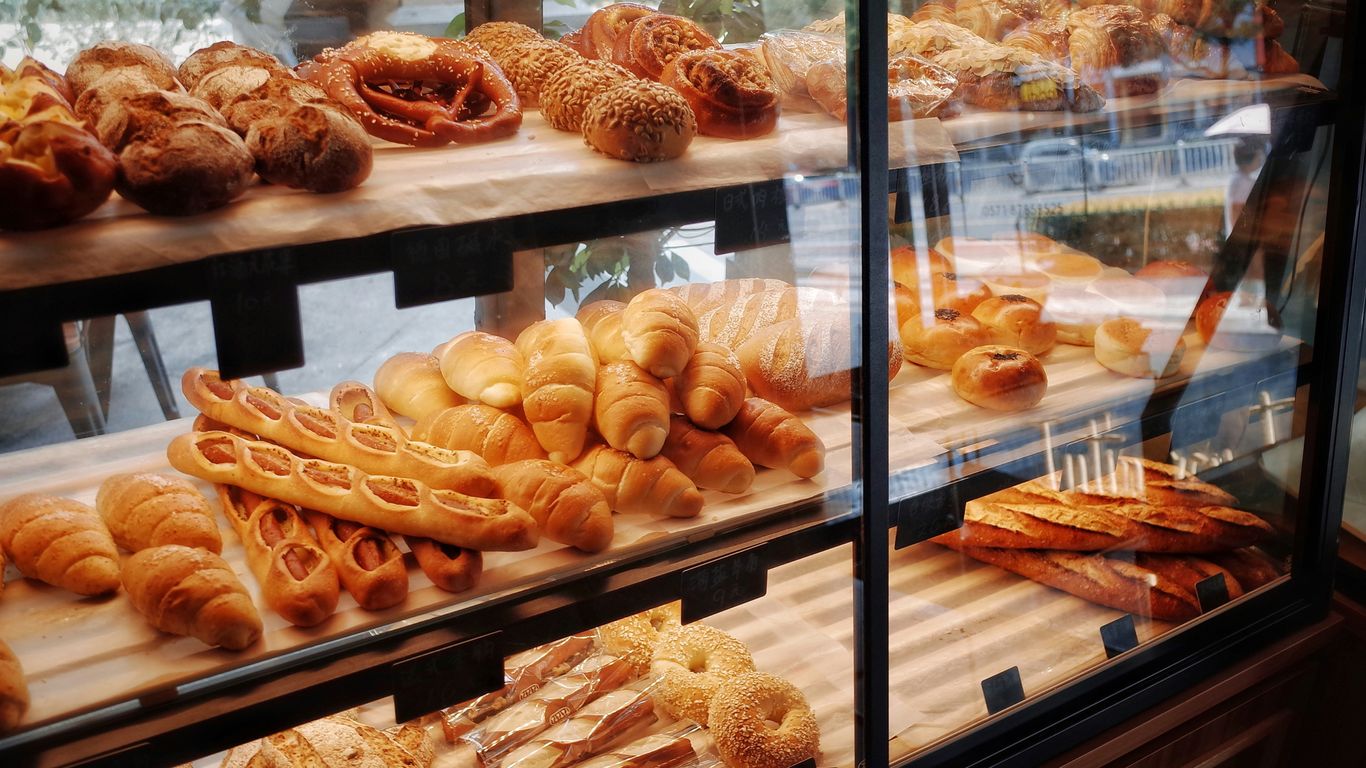
While the egg tarts often steal the spotlight, the broader menu showcases a variety of treats that cater to different historical and cultural influences. From traditional cakes to modern interpretations of Cantonese classics, the menu represents a wide spectrum of sweet and savoury snacks. These pastries are designed to be enjoyed at any time of day, whether for a quick morning snack or a shared afternoon treat.
Selection of sweet cakes and traditional treats
The bakery maintains a rotation of classic items that have served as hallmarks for generations of local families. These cakes and dough-based confections highlight simple, high-quality ingredients, often focusing on subtle sweetness rather than heavy sugar profiles.
Savory options and classic fillings
Beyond sweet desserts, the shop offers a range of savoury pastries that serve as a substantial pick-me-up. The variations often utilise traditional Cantonese techniques to ensure the filling stays moist and flavourful inside a textured shell.
| Pastry Type | Filling Focus | Serving Style |
|---|---|---|
| BBQ Pork Pastry | Sweet & Savory | Warm |
| Lotus Paste Tart | Smooth Texture | Room Temp |
| Red Bean Cake | Grainy Filling | Room Temp |
These savoury items provide a balanced complement to the lighter, sugar-focused items typically found in the main display cabinets.
Seasonal and festive specialty offerings
During key celebrations like the Lunar New Year, the bakery introduces special items crafted for communal sharing and gifting. These seasonal releases often feature premium ingredients and decorative touches, reflecting the brand’s commitment to marking life’s special events alongside its customers.
Quality and ingredients
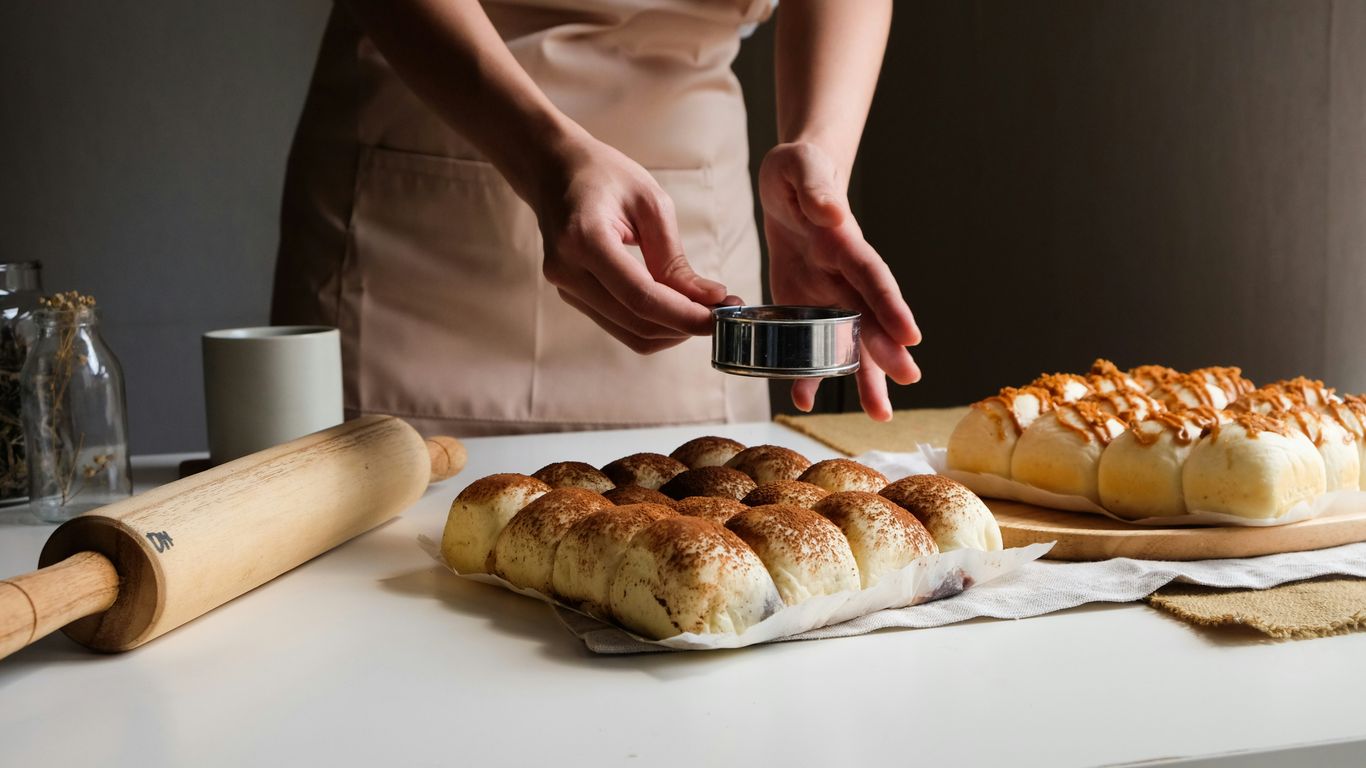
Maintaining the standard that customers have come to expect requires a strict approach to raw material procurement. The leadership emphasises selecting suppliers who can provide consistent, high-quality components, which are essential for achieving the right flavour balance in every batch. This approach ensures that the bakery can continue to offer handcrafted Cantonese pastries that stand the test of time.
Sourcing standards for raw materials
Every ingredient, from the freshest eggs to the finest flour, is evaluated for its impact on the final product. By controlling these inputs, the team can avoid the need for artificial additives, relying instead on the natural qualities of the produce to drive flavour.
Handcrafted preparation methods
Production is deeply manual, as the kitchen staff rely on their senses to adjust for variables like ambient humidity and ingredient temperature. This hands-on approach allows the bakery to maintain a level of quality that feels personal and distinct, as each item is individually managed from start to finish.
Maintaining flavor consistency across batches
Consistency is achieved through rigorous testing and the passing down of internal culinary knowledge. Experienced lead bakers oversee the entire workflow, ensuring that whether a customer visits on a weekday morning or a busy weekend, they receive a product that is perfectly consistent across every batch.
Locations and brand presence
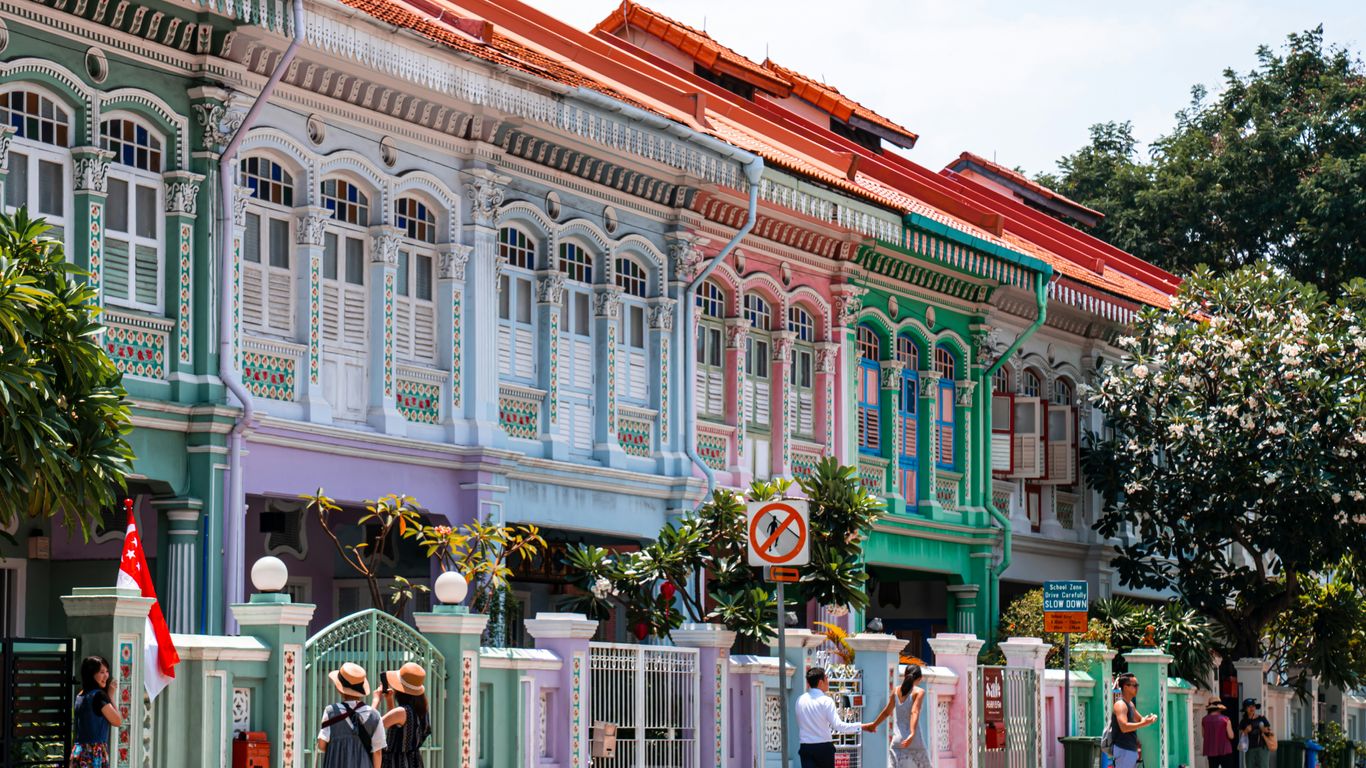
Accessibility is a key part of how the bakery manages its relationship with the public, balancing its historical flagship with modern updates that make ordering easier. The physical presence in Chinatown remains the most iconic touchpoint, anchoring the brand in a location that matches its deep historical significance. This balance helps in reaching a wide audience while maintaining the heritage status of the shop.
The iconic Chinatown flagship store
The flagship location acts as the primary hub for both production and community interaction. It is not just a place to buy pastries; it is a space where the history of the brand is visible, contributing to the vibrant atmosphere of the neighbourhood.
Modern retail updates and expansion
Digitalisation efforts have allowed the business to reach more customers than ever before. By integrating modern payment systems and online engagement strategies, the leadership has ensured the bakery remains relevant to a younger demographic. This includes ordering online to secure favourites before they are sold out.
Accessibility and ordering options
Today, customers can interact with the brand through multiple touchpoints, including digital payment platforms that streamline a once cash-only process. These updates serve to improve efficiency without sacrificing the personal touch that has always defined the Tong Heng customer experience.
Cultural significance in Singapore
Beyond functioning as a business, this bakery serves as a repository for shared culinary memory. Its role in the community goes far beyond simple transactions, as generations have visited the shop to celebrate births, weddings, and anniversaries. The brand has become embedded in the social fabric of Singapore, functioning as a marker of both time and tradition.
Role in local food heritage
As a long-standing establishment, the bakery contributes significantly to the cultural awareness of the local population. By preserving traditional Cantonese flavour profiles, it keeps alive a style of baking that might otherwise risk erasure in a rapidly globalising food industry.
Community impact and generational customer ties
Many patrons have been visiting the shop since their childhood, returning with their own children and grandchildren to share the same treats. This multi-generational loyalty ensures that the brand remains a constant in the lives of families who value tradition and history.
Industry recognition and legacy building
While the bakery remains focused on its customers, it has garnered recognition for its ability to successfully adapt to the modern world. Its success provides a roadmap for other heritage businesses in Singapore, showing that tradition can thrive when combined with strategic, incremental innovation.
Conclusion
Through nearly a century of service, the bakery has managed to stay true to its roots while embracing the necessary changes to remain relevant in modern Singapore. By focusing on artisanal quality, community connection, and historical consistency, the brand continues to define what it means to be a local heritage institution. Whether you are a lifelong fan or a new visitor, the experience of tasting their iconic pastries offers a genuine connection to Singapore’s culinary past.
Frequently Asked Questions
Can I order these pastries for special events?
Yes, the bakery often accommodates orders for various milestones such as family gatherings and celebrations, ensuring that you can share these traditional treats with guests during important occasions.
Do the pastries contain artificial preservatives?
No, the business takes pride in using natural, high-quality ingredients, which means their pastries are freshly baked without the use of artificial preservatives to maintain their authentic taste.
Is it recommended to visit the bakery early in the day?
Visiting earlier in the day is generally recommended if you wish to see a wider variety of freshly stocked items, as popular pastries tend to be purchased quite quickly by loyal customers.
Are there vegetarian options available?
While many items contain traditional meat fillings, the bakery offers a range of vegetarian sweet pastries and certain cakes that accommodate different dietary preferences.
How does the bakery maintain its traditional flavour?
Flavour is maintained through the use of time-tested family recipes and manual production methods, with experienced staff ensuring each batch matches the quality standards set by previous generations.
Does the store accept modern payment methods?
Yes, the bakery has modernised its operations to accept various forms of digital payment, making it much easier for customers to purchase their favourite pastries without needing to carry cash.
What makes traditional Cantonese pastries distinct?
Traditional Cantonese baking is known for its precise balance of textures, such as delicate, flaky crusts paired with smooth, subtle fillings, reflecting a meticulous approach to fine pastry craftsmanship.