
Key Takeaways
Fried carrot cake is a staple of Singaporean hawker culture that relies on simple, fresh ingredients handled with precise technique. Understanding the cultural context and preparation methods is essential for anyone looking to appreciate or recreate this savory classic.
- It is made from daikon radish and rice flour, not carrots.
- Teochew immigrants brought the dish to Singapore.
- Two primary styles exist: white and black versions.
- Proper texture requires a balance of steaming and frying.
- Sweet dark soy sauce is the defining element of the black variety.
Understanding the basics of carrot cake
Singaporean fried carrot cake is a fascinating dish that often confuses visitors due to its misleading name. Despite the moniker, it contains absolutely no carrots, instead relying on the humble daikon radish as its primary base.
What is Chai Tow Kway?
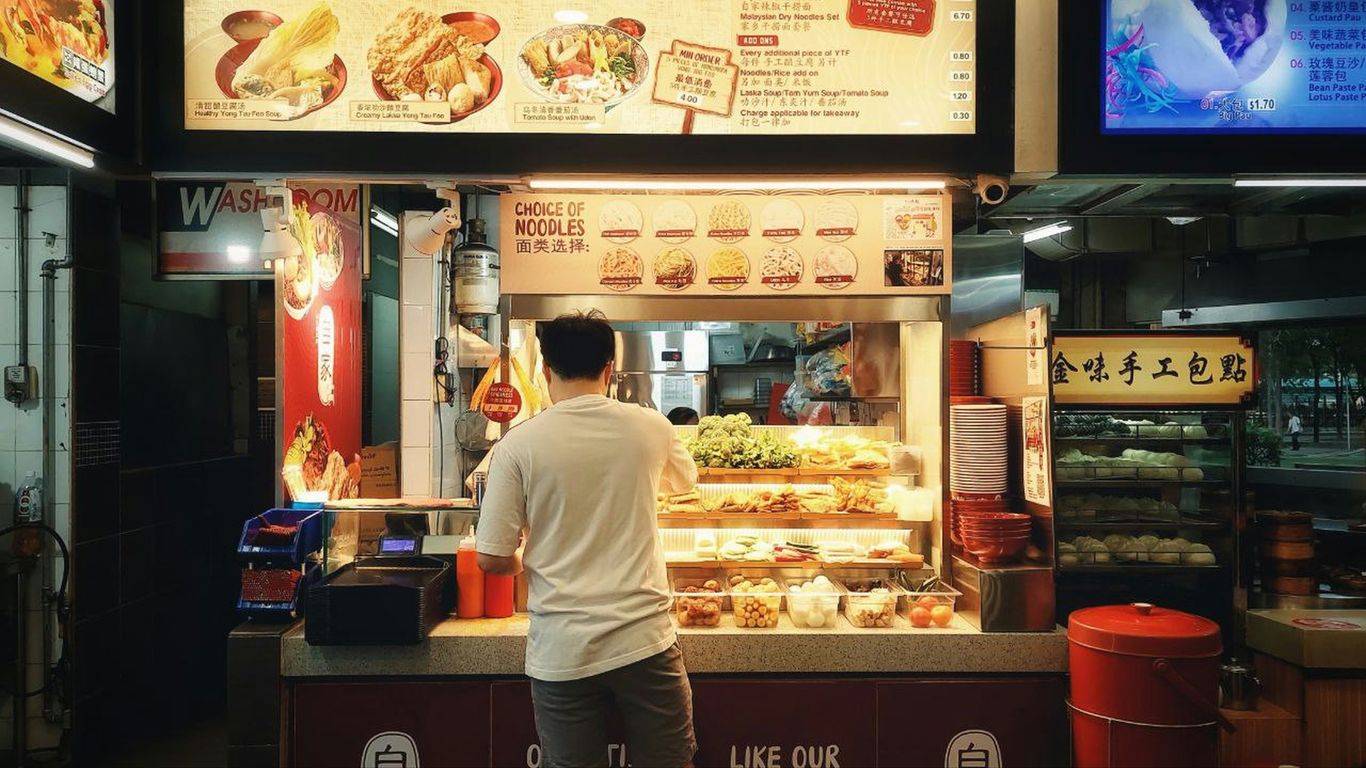
Chai Tow Kway is a savory rice cake dish primarily found throughout hawker centres in Singapore. The name translates from Hokkien as "radish cake," reflecting its true composition of steamed rice flour and finely shredded daikon. It is typically prepared by cutting the steamed blocks into cubes and stir-frying them in a hot wok, sometimes incorporating ingredients like eggs, garlic, and preserved radish to build complexity. This unique dish encourages developing critical thinking regarding food history, as one must look beyond the English name to its actual cultural roots.
The history and cultural significance in Singaporean cuisine
This iconic street food traces its roots back to Teochew immigrants from Southern China who settled in Southeast Asia. Over generations, these local hawkers adapted the traditional steamed radish cake into the stir-fried version we recognize today. It serves as a vital marker of the authentic carrot cake heritage found across the region, symbolizing the evolution of Teochew culinary traditions within the vibrant mosaic of Singaporean dining.
Distinguishing between white and black variations
While the base remains the same, the preparation style splits into two distinct categories: white and black. The white version focuses on maximizing the crisp, golden crust by searing the cubes with eggs until they are perfectly browned and aromatic. In contrast, the black variant introduces a rich, sweet dark soy sauce during the frying process, which glazes the components to provide a deep, caramelized flavor profile. You might enjoy food experiences that showcase these differences side-by-side at a traditional market.
Essential ingredients for the rice cake base
Creating a high-quality base is the foundation of any successful fried carrot cake, as the texture must withstand the intense heat of the wok. Achieving a tender yet firm bite requires careful selection and preparation of the raw components.
Selecting the right daikon radish
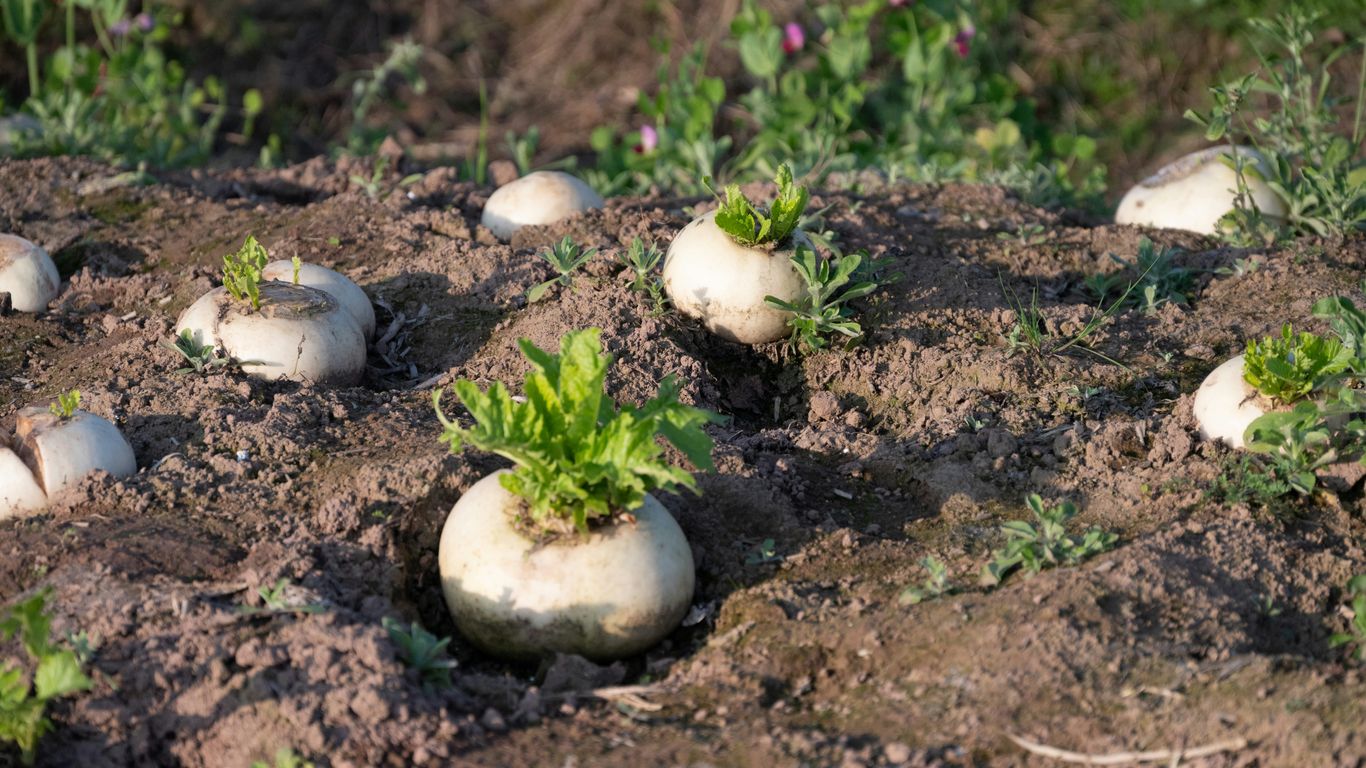
Fresh, firm daikon is non-negotiable for authentic results because it provides the essential moisture and subtle sweetness needed to balance the rice flour. Experienced cooks look for radishes that are heavy for their size, as this indicates a higher water content and crunch. When grated, the radish releases juices that hydrate the flour mixture, creating a subtle earthy aromatic profile that defines the dish.
Balancing rice flour and wheat starch ratios
Standard recipes often use a specific blend of rice flour and wheat starch to ensure the cake sets properly. If you use too much rice flour without enough starch, the block will become grainy or crumble when sliced. You can refer to the following guide for standard ratios:
| Ingredient | Typical Percentage | Function in Base |
|---|---|---|
| Rice Flour | 70% | Core body and structure |
| Wheat Starch | 20% | Texture and translucency |
| Corn Starch | 10% | Binding and firmness |
Maintaining these proportions is key to reaching a reliable consistency that allows for easy cubing without breakage.
Steaming techniques for a firm yet tender texture
Once the slurry of radish and flour is mixed, the steaming process must be slow and steady. Placing the mixture into a mold requires a heat-stable container that allows steam to permeate the cake uniformly. Allowing the cake to cool completely before cutting is the secret to getting clean, uniform cubes that wont turn into mush when they hit the wok.
The art of frying the carrot cake
Frying is where the dish transforms from a simple steamed block into a restaurant-quality meal. Controlling the temperature is paramount, as the goal is to develop a deep, crunchy exterior while keeping the interior soft and moist.
Controlling the heat for a crisp, golden exterior
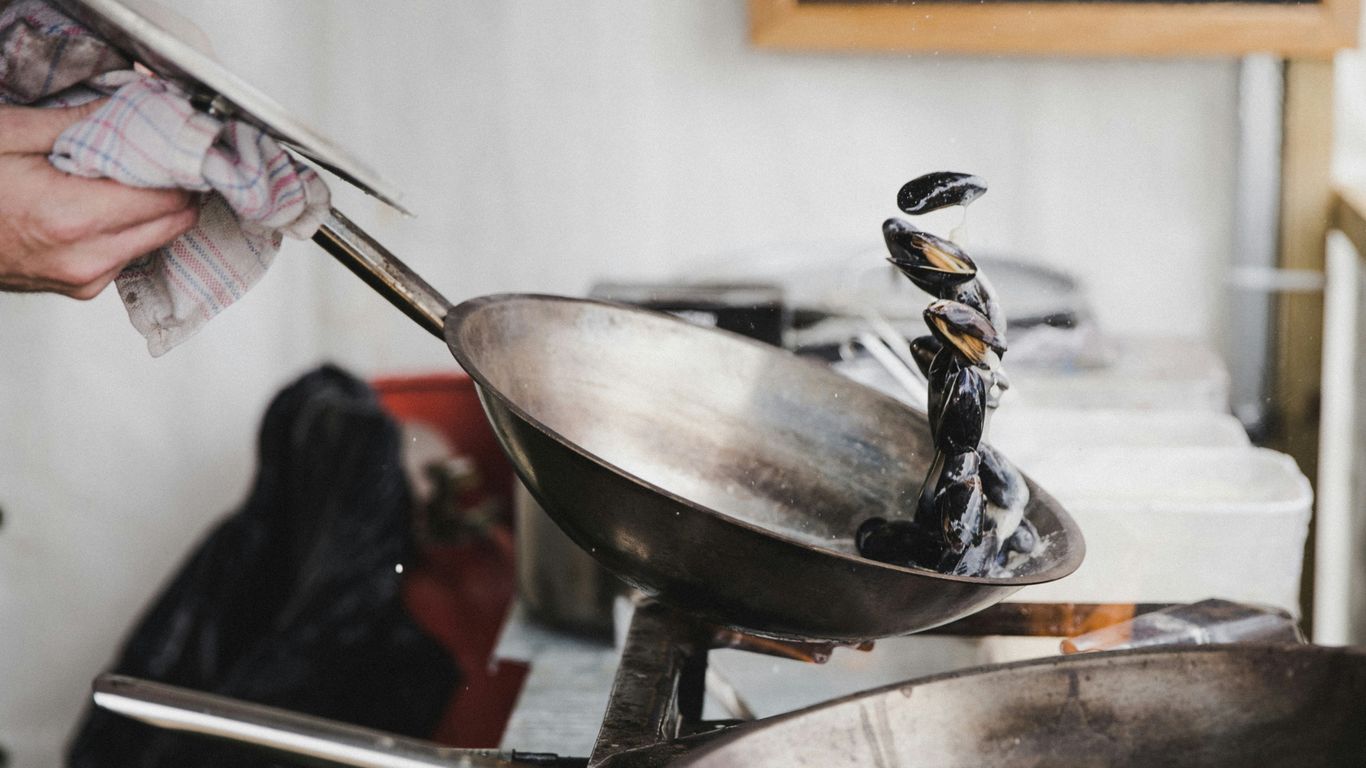
Using a round-bottomed wok allows for the even distribution of heat needed to sear the radish cubes efficiently. The surface of the cake needs to be browned quickly in high heat to ensure that the exterior develops satisfying crisp edges before the internal moisture is completely cooked away.
Timing the egg scramble for perfect consistency
Eggs are added toward the end of the frying process to bind the cubes together and add a layer of protein richness. If the eggs are tossed in too early, they may become overcooked and lose their velvety texture. One effective practice involves letting the egg settle slightly against the hot metal before tossing the radish cubes to combine everything into a cohesive, golden-brown stir-fry.
Managing oil levels during the frying process
Oil acts as the primary heat transfer medium, and hawkers often use a slightly generous amount to ensure nothing sticks to the pan. Balancing the oil levels prevents the dish from feeling heavy while still ensuring that every side of the cube is evenly fried. Watching the sizzle and color of the radish helps determine if you need to adjust the heat or move pieces around the wok.
Common seasonings and flavour profiles
Seasonings are what elevate this simple base into the savory-sweet powerhouse known to millions. A successful dish relies on a careful interplay between salty, sweet, and umami-rich components.
The importance of texture from chai poh (preserved radish)
Chai poh, or preserved radish, provides a crucial textural contrast that cuts through the starchiness of the rice cake. These small, chewy bits add a salty, slightly funky crunch that is essential to the dish’s identity.
Selecting the right dark soy sauce for the black version
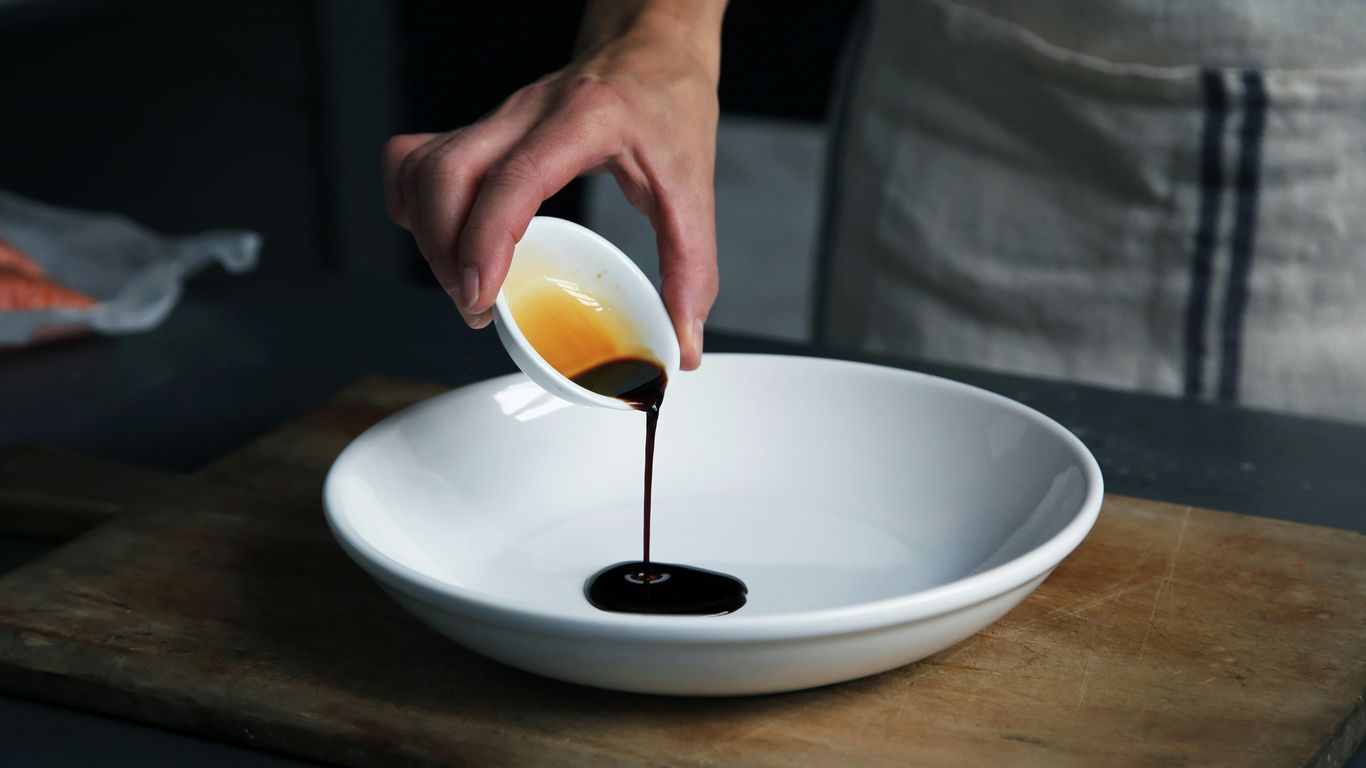
For the black variant, the quality of the dark soy sauce is of utmost importance; a thick, sweet variety works best to coat the cakes without overpowering them. The sauce should provide enough caramelization to darken the radish cubes without turning the entire dish into a bitter mess. The following list outlines the key seasoning additions that define the flavor profile:
- Minced garlic for foundational fragrance
- Sweet dark soy sauce for caramelization
- Fish sauce for a subtle oceanic depth
- White pepper for a clean spicy kick
Properly integrating these seasonings ensures that the dish remains balanced rather than just overtly salty or sweet.
Adding aromatic depth with garlic and fresh spring onions
Garlic should be freshly minced to provide peak impact, while the spring onions act as a fresh, crisp herbaceous finish. Adding the spring onions right before serving ensures they retain their colour and vibrancy, acting as a much-needed aromatic garnish to balance the heavy, wok-fried notes of the dish.
Serving and garnishing traditions
Serving traditions can vary between hawker centre stools, but the focus almost always remains on functional simplicity and warmth. The best serving presentation focuses on accessibility and temperature control.
Ideal accompaniments like sambal and pickled chilli
Most diners prefer to pair their dish with a dollop of spicy sambal or small slices of pickled green chilli to cut the oiliness. These condiments are provided on the side, allowing each diner to adjust the heat levels according to their personal preference without compromising the dish’s base integrity.
Traditional plating methods for takeaway or dining in
In traditional settings, the dish is often served on a plastic plate or lined with a piece of brown paper for takeaway orders. The presentation is intentionally rustic, emphasizing the speed of preparation and the hot, fresh nature of the food.
Adjusting standard recipes for a domestic kitchen environment
Cooking at home often involves scaling down recipes, but maintaining the high heat output is the biggest challenge for domestic gas or electric stoves. Using smaller batches ensures that the pan doesn’t get overcrowded, which is the secret to maintaining the desired crispness when you lack the power of a commercial wok burner.
Conclusion
Mastering authentic fried carrot cake is a rewarding journey that connects you to the deep-rooted heritage of Singaporean food culture. By treating the daikon base with care and balancing the delicate frying process, you can achieve that sought-after contrast of textures that makes this savory radish cake a local legend.
Frequently Asked Questions
Is the carrot in fried carrot cake real?
No, the dish is made from white radish, which is frequently mistranslated as carrot in English. There are no actual carrots used in traditional recipes.
Why are there two colors of fried carrot cake?
The difference stems from the use of sweet dark soy sauce; the black version is stir-fried with this sauce, while the white version is kept neutral and savory with eggs.
Can I make the radishes ahead of time?
Yes, the rice cake base can be steamed and kept in the refrigerator for a day or two before you slice and fry it for the final dish.
What does chai poh add to the dish?
Chai poh offers a necessary crunch and a burst of salty, savory flavor that prevents the dish from feeling one-dimensional.
How do I prevent the rice cake from breaking in the wok?
Ensure the steamed cakes are completely cool before slicing, and handle them gently when stir-frying over high heat to keep the cubes intact.
Is this dish considered a noodle dish?
It is not a noodle dish, although it is often sold alongside them in hawker centres; it belongs to the category of steamed rice flour savory cakes.
What should I serve with fried carrot cake?
Sambal, pickled green chillies, and a hot cup of tea are the most popular accompaniments used to balance the rich, fried flavors of the dish.
Book your culinary tour
If you want to sample authentic dishes in their true setting, join us for a guided exploration of Singapore’s rich culinary landscape. We manage all the details for you to ensure that every experience at our tables is truly memorable and steeped in local tradition.