Key Takeaways
Visiting this bustling landmark offers a window into Singapore’s vibrant multicultural fabric and food heritage. Keep these vital tips in mind as you explore its colourful displays and legendary stalls:
- Visit early in the morning to browse the freshest market produce.
- Carry cash to ensure smooth transactions at smaller hawker stalls.
- Focus on regional specialties like biryani, prata, and traditional tea.
- Use the nearby public transport links for easy access to the hub.
- Be mindful of busy lunch hours to secure a table quickly.
History and evolution of Tekka Centre
From origins as Kandang Kerbau Market
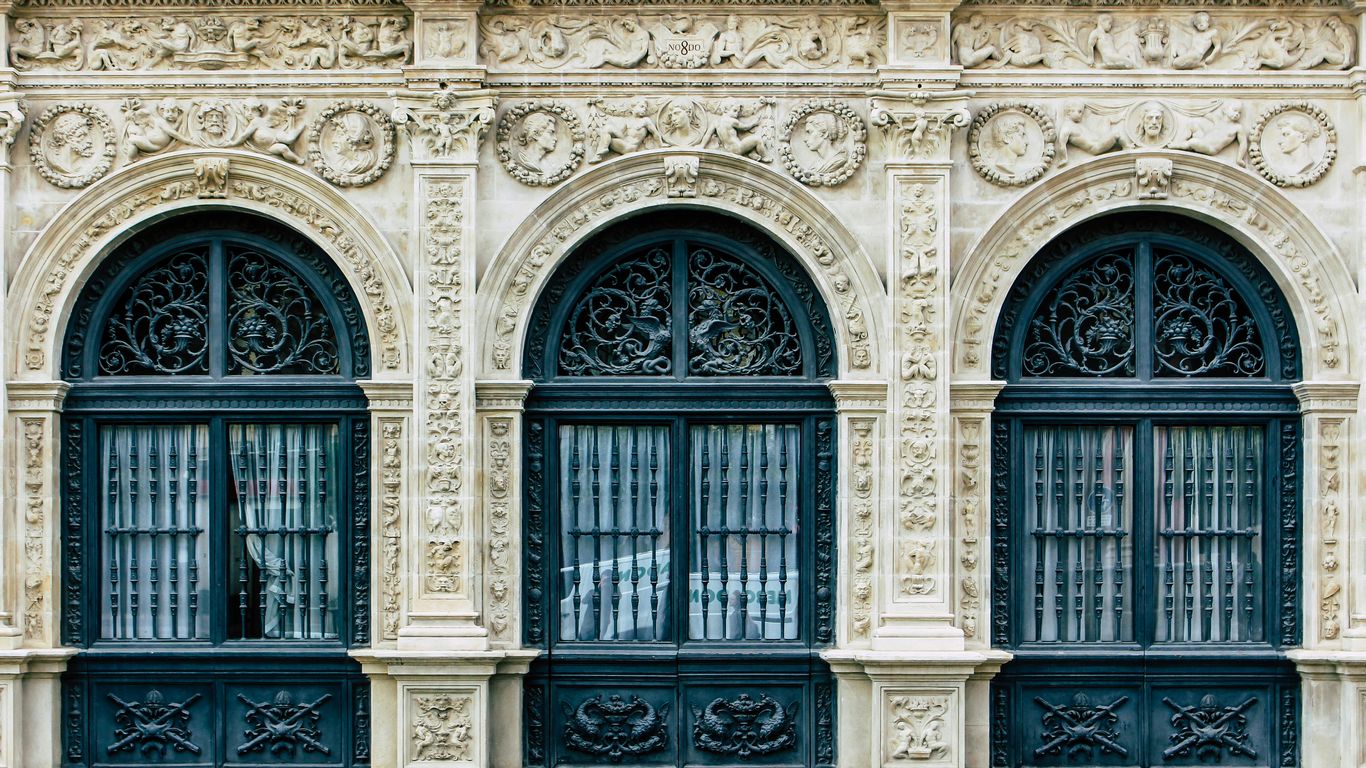
The site originated as the Kandang Kerbau Market, named after the buffalo pens that once dominated the area. Long before the concrete structures arrived, tradesmen and locals gathered here for fresh staples, establishing the district as a central node for commerce.
The transition to the Zhujiao Centre era
Following government urban renewal efforts in the late 20th century, the market transitioned into a more structured facility. During the 1980s, reflecting national language campaigns of the time, the site was officially rebranded as the Zhujiao Centre to standardize its identity.
Renaming and identity in the 21st century
By the turn of the millennium, local residents and authorities recognized that the name Zhujiao held little connection to the historic significance of the Little India neighborhood. In 2000, it was renamed Tekka Centre, properly aligning it with the colloquial name locals had used for generations.
Preservation of heritage in modern Singapore
Today, the centre stands as a crucial link to the past, reminding visitors of the diverse communities that built this district. It serves as a rare space where vintage market culture remains fully accessible to the public, protected amidst the rapid rise of modern high-rise commerce.
Navigating the wet market experience
Understanding the fresh produce section
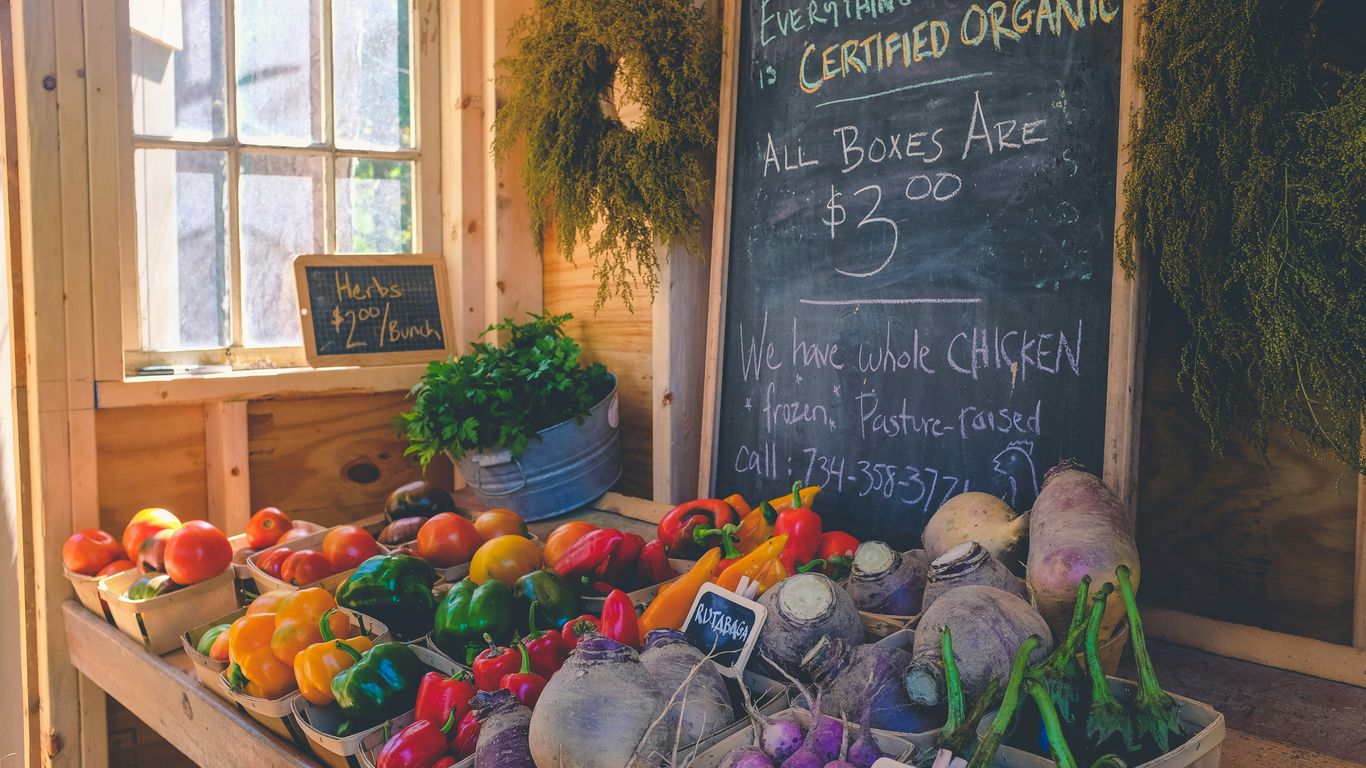
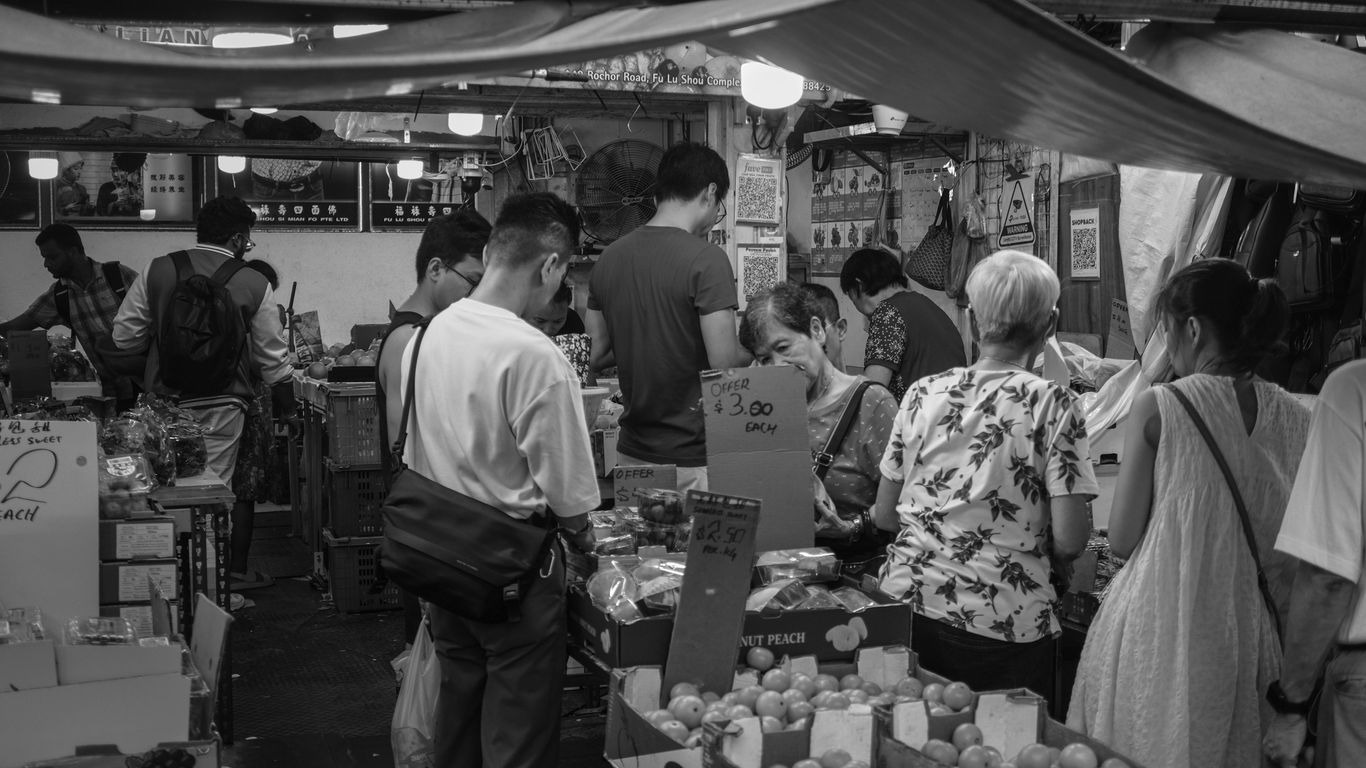
The wet market ground floor is famous for its massive selection of ingredients that cater to multiple ethnic cuisines. Shoppers will find rows of crates filled with seasonal fruits, leafy greens, and fresh poultry displayed in a way that prioritizes immediate accessibility.
Sourcing unique spices and dry goods
For those seeking authentic ingredients, the market provides an array of rare spices and dried goods essential for home cooking. You can easily compare the quality of items like curry leaves, dried lentils, and various imported spice blends here, often finding better value than at standard supermarkets.
Identifying the best times for shopping
The best time to visit for a tranquil experience is before 9:00 AM on weekdays. Arriving early ensures you see the full selection of fish and vegetables while avoiding the intense heat of the afternoon sun and peak crowds.
Etiquette for vendor interactions and pricing
Building a rapport with vendors is a subtle art that relies on simple, polite interaction. While prices for most mass-produced items are fixed, bulk buying often earns you a friendly discount or a better selection. Following this logic, consider the following vendor guidelines:
- Always smile and offer a polite greeting to your stallholder.
- Ask for recommendations if you are unsure about ingredient quality.
- Keep exact change notes ready to minimize hassle during busy periods.
- Respect the workspace by not handled raw ingredients without asking first.
Must-try Indian cuisine at the hawker centre
The iconic biryani stalls
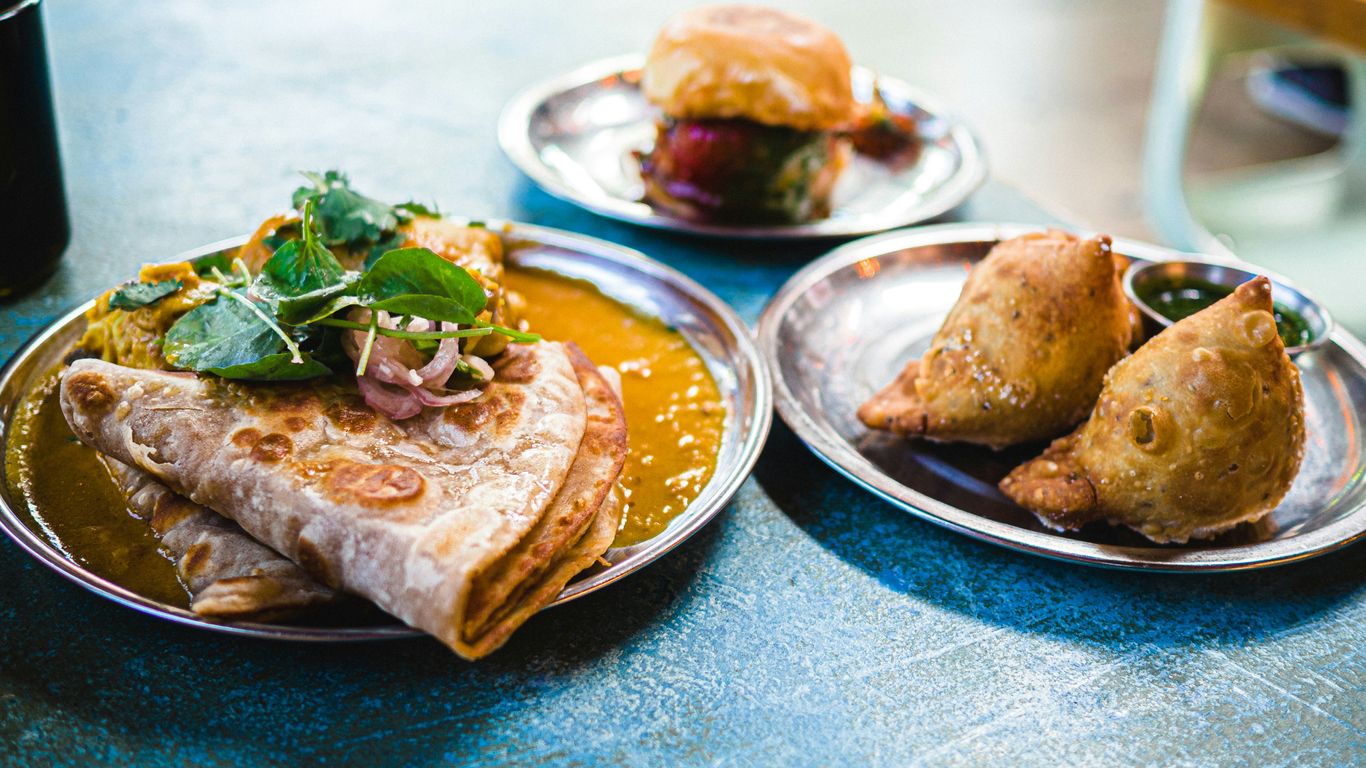
Biryani is arguably the most famous dish here, featuring fragrant basmati rice paired with tender meat cooked in spices. Many stalls, such as those that feature Mutton Biryani, prepare these portions in massive quantities daily, ensuring a deep absorption of flavors and consistent quality.
Exploring varieties of roti prata and thosai
Whether you prefer thin, crispy thosai or flaky, buttery prata, the sheer variety of Indian street food available is staggering. The skillful motions of the kitchen staff tossing dough or spreading batter on a hot griddle are a mesmerizing spectacle for any first-time visitor.
Appreciating traditional beverages like Teh Tarik
No meal is complete without a hot cup of Teh Tarik, the iconic pulled milk tea of the region. The process of pouring the tea from a height creates a thick, creamy layer of froth that enhances the overall sweetness and texture of the drink.
Managing spice levels and regional flavours
The dishes here reflect a bold and intense culinary style that represents the authentic spirit of Little India. To navigate this, remember that if the heat is too strong, ordering a side of yogurt or a cooling drink often balances the palate effectively.
Diverse culinary options beyond Indian dishes
Chinese and Malay food staples
While Indian dishes dominate, the hawker centre is a melting pot containing refined Chinese and Malay food options. For context, we often compare the offerings at popular destinations using a simple service table focused on variety:
| Cuisine Type | Highlighted Dish | Typical Price Range |
|---|---|---|
| Chinese | Prawn Noodle Soup | $4 – $6 |
| Malay | Nasi Lemak Set | $3.50 – $5 |
| Sri Lankan | Chilli Chicken Curry | $6 – $8 |
These stalls allow visitors to jump between cultures within a single seating area, a unique trait that defines the Tekka Centre experience.
Discovering Thai and Sri Lankan contributions
The diversity continues with specialized stalls offering spicy Thai salads and authentic Sri Lankan spiced curries. These vendors bring specific regional techniques that introduce fresh herbs and complex chili profiles into the hawker dining rotation.
Identifying Halal-certified dining stalls
A significant portion of the stalls here are Halal-certified, ensuring all visitors can dine with complete confidence. This accessibility invites a broader demographic to share in the communal atmosphere and enjoy the wide variety of flavorful authentic street food on offer.
Choosing between traditional and modern fusion snacks
Visitors can select from traditional items or try modern experiments like fusion snacks that bridge the gap between classic recipes and contemporary trends. These innovations keep the local dining scene exciting and relevant for younger generations exploring their culinary roots today.
Practical tips for visiting Tekka Centre
Getting there via public transport
Access is remarkably straightforward, with the Little India MRT station located right on the doorstep of the building. This makes it an ideal spot to drop by during a day trip to the heritage district or when moving between different parts of the city.
Navigating peak hour seating and crowds
During lunch hours, the centre becomes a hive of activity where securing a table requires vigilance. It is generally best to observe the crowd from a distance and wait patiently for a group to finish their meal before you attempt to claim their spot.
Understanding payment methods at hawker stalls
While digital payments are growing, a significant number of smaller, traditional stalls still rely primarily on cash. Having small denominations on hand is still the most reliable way to complete your transactions without causing delays for the busy service teams.
Accessibility considerations for tourists and locals
Modern renovations have significantly improved the interior layout, making the space more accessible to everyone. The floor plan is now wider in parts, and the installation of upgraded amenities ensures that all visitors can navigate the grounds with ease.
Conclusion
Exploring this historic landmark offers a genuine taste of Singaporean life that goes well beyond the glossy tourist attractions. Whether you are sampling spice-heavy authentic dishes or browsing the vibrant wet market, the experience remains grounded in a rich heritage that is best enjoyed at your own pace.
Frequently Asked Questions
Is the centre open 24 hours daily?
While some businesses in the surrounding Little India district stay open late, the wet market and hawker centre operate on individual stall hours that usually conclude by early evening.
Are there vegetarian options available?
Yes, many stalls provide vegetarian versions of traditional dishes, though it is helpful to ask the stallholder directly about specific ingredients like onion or garlic.
Should I bring my own tissues for cleaning?
It is common practice in Singapore to carry a packet of tissues to reserve seats or clean surfaces, as many hawker centres do not provide napkins at the tables.
Is it suitable for families with small kids?
Absolutely, the environment is bustling and family-oriented, offering a wide array of flavors that appeal to both children and adults alike.
Are there public toilets inside?
Yes, the facility includes public restrooms, which have been upgraded during recent renovations to ensure cleaner and more modern amenities for all visitors.
Can I pay for my food using credit cards?
Most hawker stalls are cash-only, though some now accept local mobile payment apps or QR-based bank transfers for greater convenience.
How crowded does it get on weekends?
Weekends are significantly busier than weekdays, with the peak lunch period seeing the highest density of both locals and tourists looking for fresh meals.