
Key Takeaways
Visiting the Chinatown Heritage Centre offers a window into the lived experiences of early migrants and the evolution of a historic district.
- The museum maintains original shophouse architecture to anchor historical narratives.
- Exhibits focus on the daily routines and domestic challenges of 1950s occupants.
- Personal immigration stories drive the emotional resonance of the site.
- Interactive sensory elements replace traditional glass-enclosed displays for better engagement.
- Strategic location on Pagoda Street allows for easy exploration of surrounding cultural landmarks.
The history and significance of the Chinatown Heritage Centre
The Chinatown Heritage Centre acts as a repository for the stories that forged the identity of Singapore. It captures the essence of a bygone era, allowing visitors to walk through the physical spaces where previous generations built their lives. By focusing on the tangible, the centre bridges the gap between historical documentation and human experience, ensuring the heritage of the district remains relevant.
Preserving the architecture on Pagoda Street
The building itself is a cornerstone of the centre’s authenticity, as it occupies original shophouses that reflect a specific period of urban development. Maintaining these structures allows the public to appreciate the constraints and unique design elements that influenced life in early Chinatown. The architecture serves as a living frame for the narratives housed within, ensuring a genuine connection to history stands on Pagoda Street.
The evolution of the museum from 2002 to 2025
Since its inception in 2002, the museum has undergone major transformations to better serve contemporary audiences. The reopening in early 2025 marks a shift toward more dynamic visitor interaction, moving away from static viewing to experiential discovery. This evolution ensures that the chinatown heritage centre remains a vital cultural pillar that adapts to how people currently engage with stories of the past.
Understanding the cultural importance of Singapore’s shophouses
Shophouses are more than just buildings; they represent the economic and social heart of historical urban Singapore. These structures facilitated a blend of trade and residential life, often housing families in cramped, multifunctional areas above commercial fronts. Recognizing their cultural importance helps visitors grasp why the conservation of these sites remains a priority in modern city planning.
Immersive experiences in the shophouse living exhibits
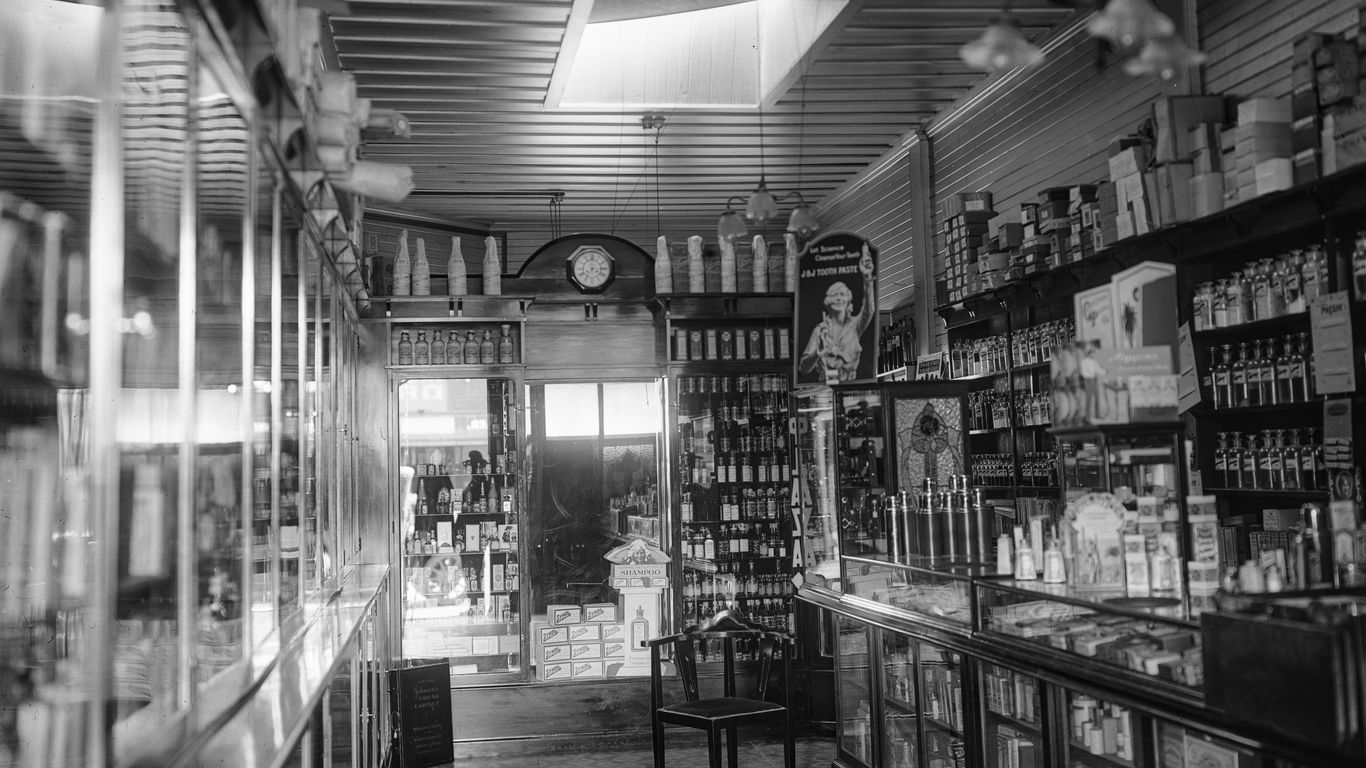
Stepping into these exhibits feels like entering a time capsule that captures the essence of daily life in the mid-twentieth century. By emphasizing the lived-in quality of these spaces, the museum invites guests to consider the realities of survival and community. Every detail aims to evoke the atmosphere of a home that served multiple, intense purposes.
Recreated interiors of traditional 1950s households
The interiors are meticulously arranged to reflect the sparse yet functional setups of 1950s families. Items such as worn kitchenware, wooden furniture, and simple bed frames tell stories of a time when resources were tightly controlled and shared among residents. This visual realism forces visitors to confront the physical conditions that defined the lives of early occupants.
Engaging with sensory elements of daily routines
Visitors can observe the tools and fabrics left behind that suggest a life of perpetual work and small comforts. These sensory touchpoints, from the texture of rough materials to the specific arrangement of a dining area, create an emotional resonance. Engagement happens through empathy, as guests witness the tangible evidence of effort spent on daily maintenance and family care.
The shift away from traditional glass-cased displays
By removing glass barriers, the curators have transformed the space from a collection of objects into a cohesive environment. This structural change encourages a feeling of intimacy, as if the residents might return at any moment to continue their tasks. It is a bold approach that prioritizes immersion over protective distancing, shifting the visitor’s role from observer to guest.
Visualizing the domestic atmosphere of past occupants
Lighting and spatial design work in tandem to convey the mood of the home, whether it is the dim urgency of a cramped workroom or the humble warmth of a shared meal space. These visual choices help bridge the temporal gap, providing a clear glimpse into how residents balanced their personal needs within the social ecosystem of the district. It invites guests to reflect on the resilience of migrant families living in an evolving urban landscape.
Uncovering the stories of early immigrants
Individual narratives serve as the foundation for broader social histories within this space. By looking at specific biographical accounts, the museum demonstrates how migration was not just a movement of people, but a complex navigation through unfamiliar terrains. These stories highlight the human cost and the eventual triumphs that built the local community.
The migration journey to the Singapore settlement
The narrative starts with the arduous voyage from ancestral lands, detailing the precarious nature of travel. Many immigrants arrived with little more than their skills and a hope for better opportunity. This section sets the stage by acknowledging the initial shock and disorientation of landing in a crowded, buzzing port settlement.
Navigating domestic and economic challenges
Finding a foothold in the city required immense flexibility and the ability to adapt to new work styles immediately. The following data highlights the typical primary occupations that helped these individuals establish a consistent income and secure their first homes:
| Trade / Occupation | Typical Focus | Economic Impact |
|---|---|---|
| Tailoring | Crafted custom garments | Essential community service |
| Street Vending | Provided affordable daily food | Supported local trade networks |
| General Labor | Manual construction assistance | Contributed to city expansion |
These economic activities were often centered on community-based efforts rather than individual gain, creating a tight-knit interdependent social fabric.
Contributions to the development of the local community
As these groups became more established, they founded organizations and mutual aid societies that supported future newcomers. This communal structure was essentially the backbone of the district, fostering unity among diverse regional backgrounds. Their efforts ensured that, despite limited means, the community had a basic support system for health and daily life.
Narratives of resilience and evolving cultural identity
Resilience is the common thread tying these experiences together, showcasing how distinct traditions were preserved even as they evolved. New cultural identities emerged from the synthesis of ancestral roots and local influences, creating a unique heritage. This journey from immigrant arrival to long-term settlement defines the spirit of chinatown even today.
Examining the legacy of local trade and character
Chinatown has long been defined by its commercial spirit, which is captured here through the legacy of its traders. Examining these trades provides insight into the industrious nature of a neighborhood that functioned as a self-contained economy. The centre highlights how these historical businesses created a unique identity that visitors can still trace through the district.
Iconic brands that defined the Chinatown district
Certain names became synonymous with quality and service, acting as anchors for the local economy. These brands are remembered not just for the products they sold, but for their commitment to providing for the neighborhood. When you consider the cultural shift toward modernized commerce, it becomes clear that these pioneers were the original catalyst for local enterprise.
The evolution of traditional trades over the decades
Manual craftsmanship shifted toward mechanized production as the city modernized, but the spirit of these traditional trades persists. Many of the techniques once guarded as family secrets have left a lasting mark on contemporary local manufacturing. Visitors can learn about the challenges of preserving these ancestral skills in a globalized, fast-paced world.
Connecting historical commerce to modern-day heritage
Integrating the past with the present helps maintain a sense of continuity. Exploring how ancient commercial patterns influence modern businesses creates a narrative of cultural evolution. It is fascinating to see how the district manages to Book Now for tours that bridge these periods, offering a deeper appreciation for modern commerce.
The intersection of economic spirit and community identity
The district’s commercial energy was never strictly about profit; it was tied to the health of the community. In addition to individual resilience, locals relied heavily on informal networks for success, which included:
- Sharing resources like tools and storage space.
- Coordinating communal street activities and festivals.
- Maintaining traditional apprentice-mentor training relationships.
- Establishing cooperative purchasing agreements for raw materials.
These collective actions illustrate how trade served as a binding agent that allowed individual families to survive and thrive together. Guests interested in more cultural history should visit Haw Par Villa to see how folklore and heritage align, or stop by CHIJMES to observe another layer of the island’s historical transformation.
Practical information for your visit
Visiting the centre requires a bit of planning to ensure a smooth experience. Located centrally, it is well-connected yet can be busy, requiring some flexibility. Visitors should consider the following details before arriving.
Best times of day to explore the exhibits
Early weekday mornings offer the quietest experience, allowing for a thorough reading of all displays. By mid-afternoon, the district becomes quite busy, which can make the exhibition space feel crowded. If you prefer to focus on the storytelling aspects without rushing, aim for the mid-week period.
Accessibility and public transport connectivity
Public transport is the best way to reach Pagoda Street, as parking is extremely limited in the district. Most visitors arrive via the MRT, which provides easy access to the heart of the neighbourhood. The entrance is well-marked and navigable for general visitors, though those with specific needs should consult local guides for the most current site maps.
Recommended duration for a comprehensive walkthrough
Plan for about one and a half to two hours, especially if you intend to read the historical placards fully. This duration allows enough time to soak in the atmosphere of the reconstructed rooms rather than just walking through them. Many people find they need a bit of extra time to reflect on the stories presented in each section.
Strategic locations to visit after the heritage centre
After leaving, you will be in the perfect position to explore the wider district on foot. The surrounding streets are filled with hawker centres and traditional pharmacies that provide a deeper sense of everyday local life. For those seeking even more context on the historic urban fabric, Lau Pa Sat remains a nearby must-visit for dining and historical sightseeing.
Conclusion
The Chinatown Heritage Centre serves as a testament to the lives that painstakingly constructed the foundation of contemporary Singapore, offering an immersive look into an era of profound change and community resilience.
Frequently Asked Questions
Is the museum suitable for young children?
The museum is generally educational for older children and families, though the tight spaces and historical themes might be better appreciated by school-aged visitors.
Are there guided tours available?
Guided tours are periodically offered and provide excellent depth, but visitors can easily explore the exhibits at their own pace using provided information booklets.
Can visitors take photographs inside the exhibits?
Photography is typically allowed in most areas, though it is respectful to avoid flash when in the more dimly lit, atmospheric replica rooms.
Is there an admission fee for entry?
Ticket information is updated regularly, so it is recommended to check the official website or the front desk for current pricing and any available promotions.
Where can I find food near the Heritage Centre?
Pagoda Street and the surrounding area have countless dining options, including local hawker stalls and sit-down restaurants that serve authentic Singaporean cuisine.
What should I wear when visiting the centre?
Comfortable walking shoes are highly recommended as the district is best explored on foot, and casual, cool clothing is ideal for the local Singaporean climate.
Is the centre open on public holidays?
The centre typically remains open on most public holidays, but checking the official calendar before your visit is always a smart way to avoid disappointment.