
Key Takeaways
Sungei Buloh Wetland Reserve is a vital ecological sanctuary in Singapore, protecting a diverse mangrove ecosystem that supports numerous species. Planning your trip well ensures you get the most out of the wildlife encounters and educational opportunities this unique park provides.
- The reserve is an internationally important site for migratory birds.
- Wildlife enthusiasts can spot monitor lizards, otters, and crocodilians.
- Mangroves provide a crucial natural buffer against coastal erosion.
- Proper gear, like sunscreen and water, is essential for comfort.
- Visitor trails are designed to facilitate both education and observation.
Understanding the biological significance of Sungei Buloh Wetland Reserve
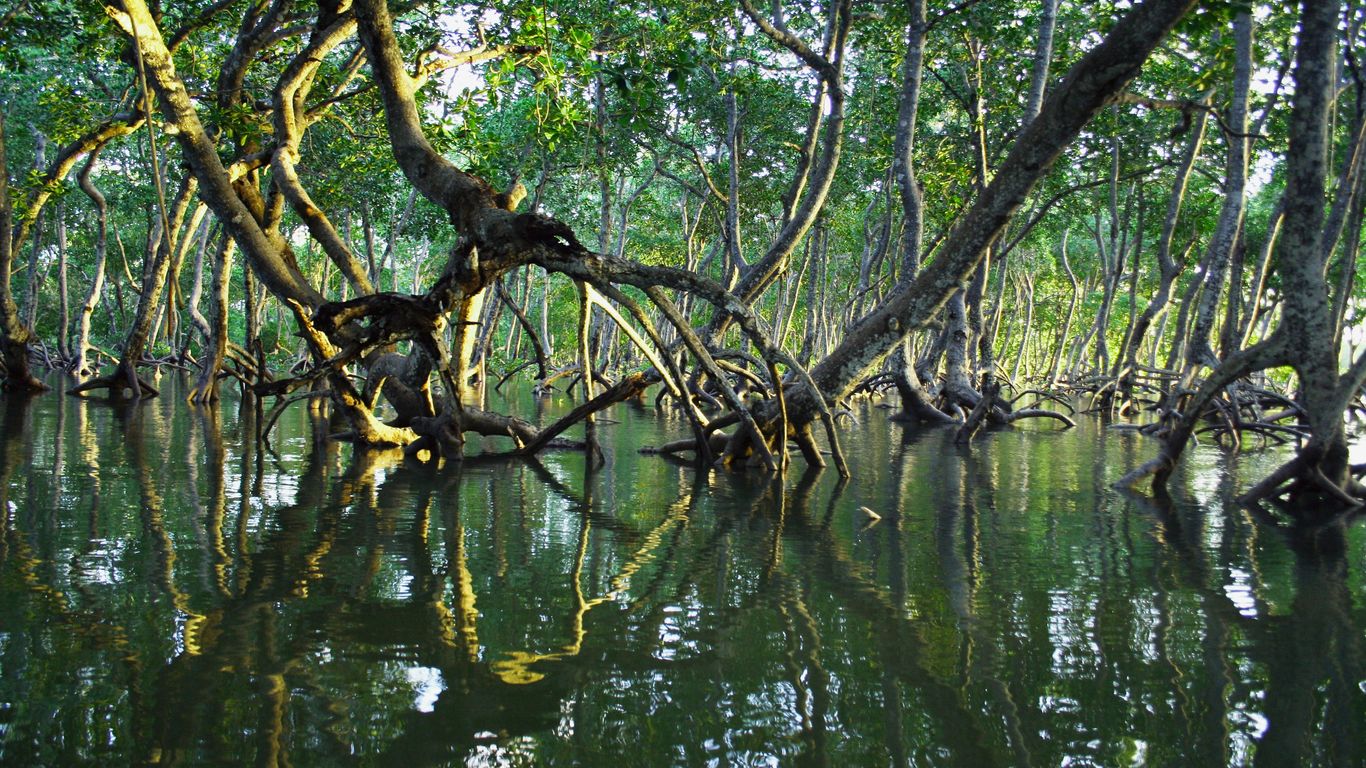
This sanctuary preserves a complex environment that was once common along Singapore’s coastline but is now increasingly rare in an urbanized landscape. By prioritizing conservation, officials have allowed a thriving and protected habitat to flourish for decades. The park serves as an essential component of nature conservation in the region, offering a glimpse into an untamed ecosystem.
Historical development and conservation status
Originally recognized for its high variety of bird species, the area was designated as a nature park in 1989 following community advocacy. In 2002, its status was elevated to a wetland reserve to ensure long-term legal protection from unauthorized development. Today, it stands as a prime example of successful habitat restoration and Sungei Buloh Wetland Reserve management.
Global importance as an ASEAN Heritage Park
Designated as an ASEAN Heritage Park in 2003, the reserve represents the high ecological value that the region places on wetland preservation. This recognition highlights its role in maintaining biodiversity and providing a carbon sink, which is vital for the local environment. It serves as a flagship site that shows how intensive conservation can coexist with a bustling city like Singapore, and Sungei Buloh Wetland Reserve continues to be studied by international groups for its management techniques.
Role in the East Asian Australasian Shorebird Site Network
As a crucial stopover point, the reserve plays a vital role for birds traveling along the East Asian-Australasian Flyway. These migratory flocks rely on the muddy estuaries to refuel during their long journeys between the northern and southern hemispheres. The site acts as a Sungei Buloh Wetland Reserve anchor in a larger, interconnected network of protected areas across borders.
Planning your visit for an optimal experience
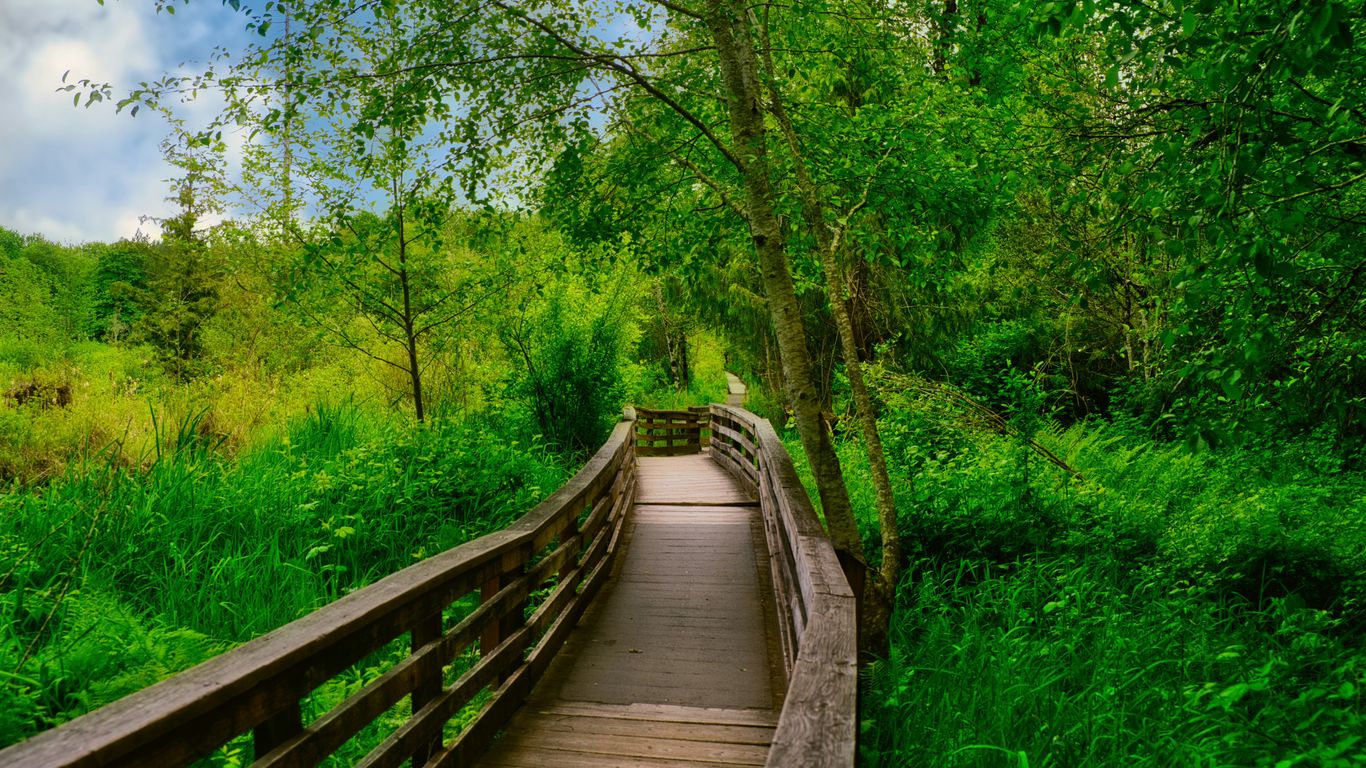
Arriving prepared significantly improves any nature excursion, especially when timing aligns with the tidal patterns and migratory seasons. The reserve is a popular choice for families and outdoor lovers, so Sungei Buloh Wetland Reserve visitors are encouraged to read notices before their journey. Guests might also consider booking curated Taste of Singapore walking tours that occasionally incorporate visits to such nature spots to provide a broader context of the region.
Determining the best time of year for wildlife sightings
The migratory season, which runs from September to March, is widely considered the peak window for observing exotic birdlife. During these months, the diversity of species is at its highest, providing excellent opportunities for casual birdwatching enthusiasts. Outside of these months, the resident wildlife, including local reptiles and mammals, remains active throughout the year.
Checking operational hours and potential flood-related closures
Because the reserve is subject to natural tidal fluctuations, certain low-lying trails can become submerged during high tides. It is essential to check the official website for real-time flood notices before departing to ensure your desired routes are accessible. The park generally observes standard daytime hours, but safety is the primary factor driving any temporary section closures.
Transportation options and accessibility for visitors
Getting to the wetlands is straightforward, with options including public transit and private transport, though parking is limited at the main visitor center. Many visitors arriving through Taste of Singapore experiences find this remote corner of the island to be a peaceful transition from the city center. The infrastructure is well-maintained to ensure that those with diverse mobility requirements can still enjoy the primary pathways.
Navigating the primary trails and routes
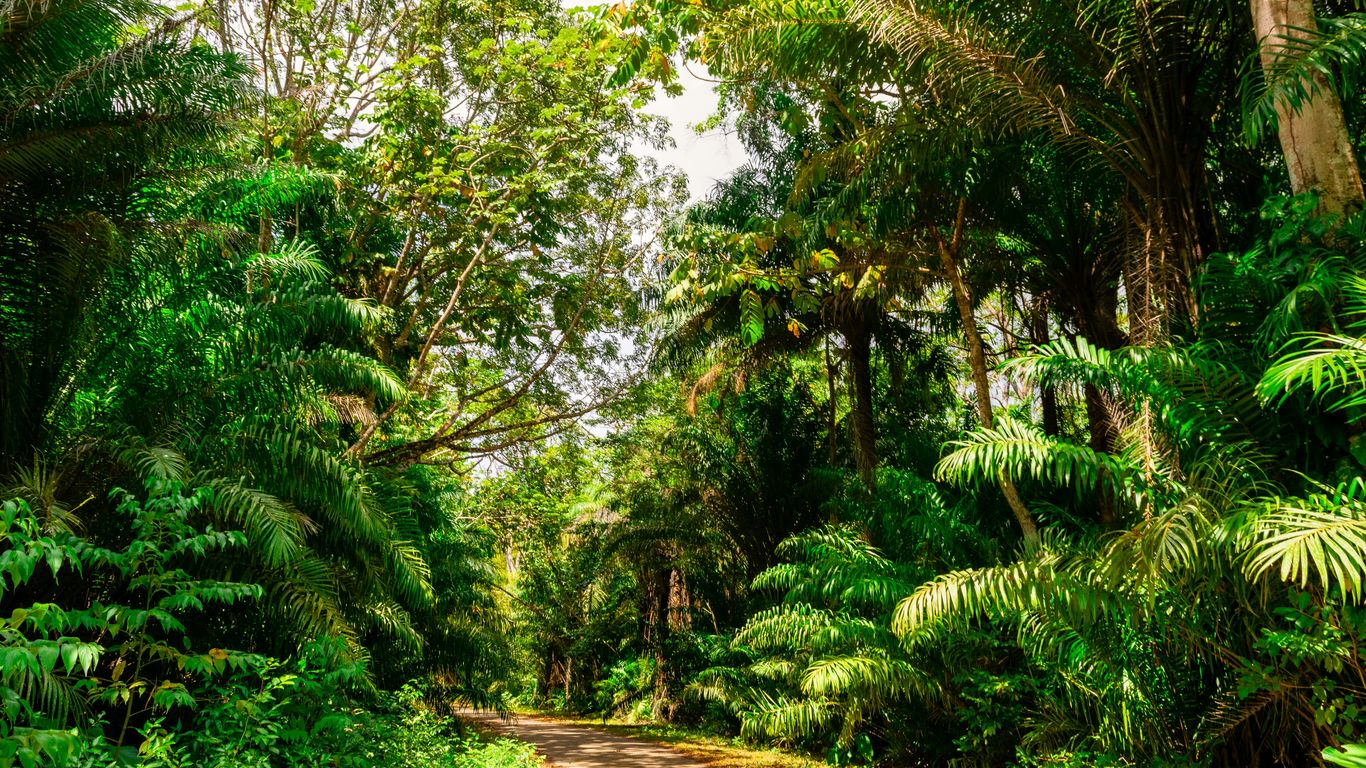
Navigating the reserve is best accomplished by following the well-marked paths that weave through the different zones of the park. These trails have been carefully constructed to prevent human impact on the delicate root structures of the mangrove trees. While walking these trails, consider these common wildlife spotting areas:
| Area Type | Key Wildlife | Best Viewing Time |
|---|---|---|
| Coastal Trails | Migratory Birds | Morning low tide |
| Tidal Ponds | Mudskippers, Crabs | Late afternoon |
| Mangrove Boardwalk | Monitor Lizards, Snakes | Mid-day sun |
These zones offer varying degrees of shelter and exposure, making the reserve a dynamic space for nature photography.
Exploring the visitor centre and coastal trails
The visitor center acts as the gateway to the grounds, offering a clear map and helpful exhibits on local flora and fauna. From here, visitors can set out on the coastal trails that offer unobstructed views of the Johor Strait. This is the starting point for most journeys, and it provides a great overview of the Sungei Buloh Wetland Reserve layout before venturing further.
Navigating the tidal ponds and mangrove boardwalks
The boardwalks are the heart of the reserve, allowing you to walk directly above the thick, tangled mudflats. These structures are the best places to observe the daily rhythms of mudskippers and the intricate root systems of various mangrove tree species. Moving quietly along these pathways often rewards visitors with more frequent wildlife sightings.
Utilizing observation hides for photography and wildlife spotting
Strategic observation hides provide a concealed space to watch for more timid animals without altering their behavior. These wooden shelters contain viewing slits optimized for a steady camera lens or binoculars. Using Taste of Singapore guide services can help newcomers learn the proper techniques for identifying rare bird plumages from these stationary points.
Wildlife to look for in the mangroves
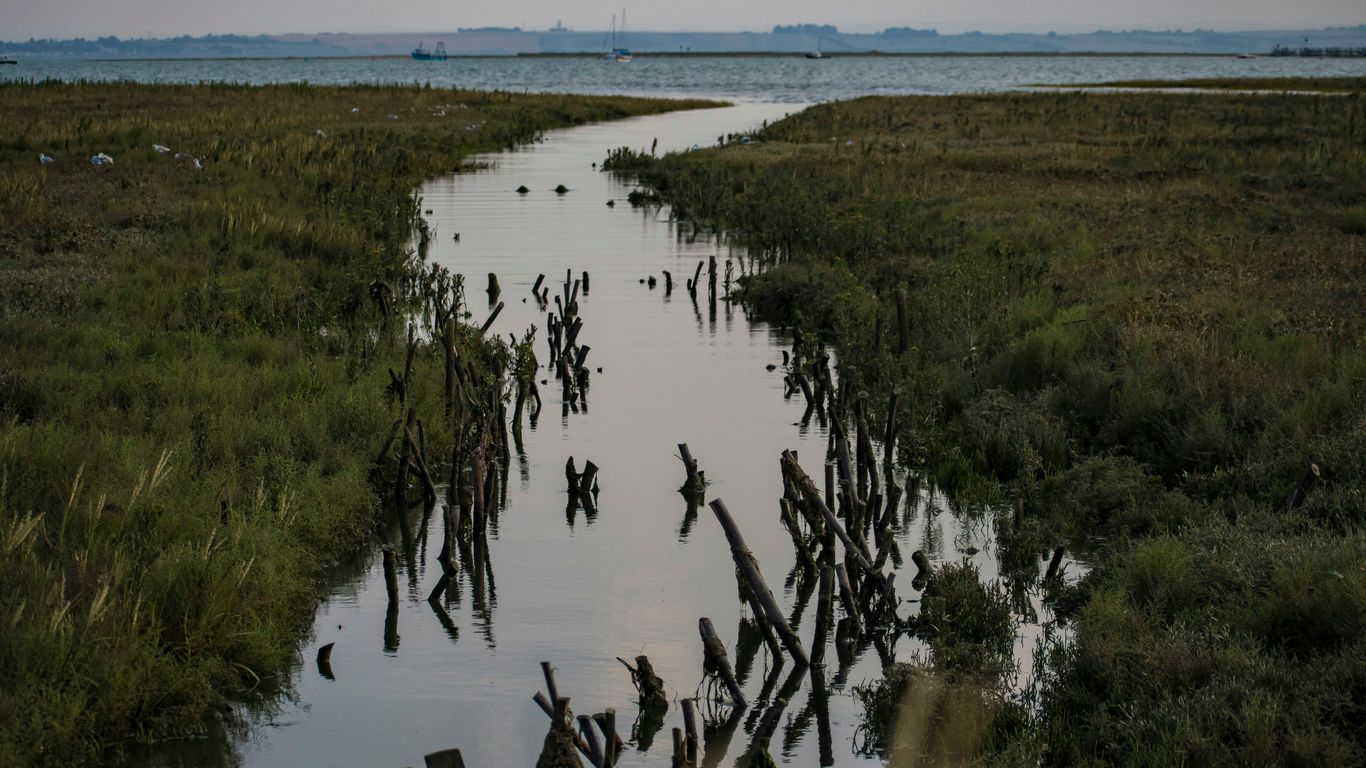
Wildlife here is truly wild, meaning sightings depend on patience and a bit of luck. Residents include several large reptilian species and diverse aquatic life that have adapted to the salty environment. The following checklist covers creatures frequently observed by regular visitors:
- Estuarine crocodiles resting on mudflats.
- Malayan water monitor lizards foraging near trails.
- Smooth-coated otters hunting in the tidal ponds.
- Vibrant mudskippers skipping across wet surfaces.
This list is not exhaustive, as the ecosystem supports a wide range of insects and amphibians.
Observing migratory birds during peak seasons
Birdwatchers flock to the reserve during the winter months to spot visitors from as far away as Siberia. These migratory birds gather in the thousands, making the ponds a hub of activity and movement. Carrying a field guide or using local birding apps is highly recommended to distinguish between the many species that occupy the mudflats.
Identifying local reptiles like monitor lizards and estuarine crocodiles
Monitor lizards are often seen basking under the sun, and they provide a dramatic encounter for many visitors. While crocodiles are sometimes present, they generally keep to the water and are easily spotted if you observe the mudflats with care. Keeping a respectful distance from these reptiles is the primary rule for safe interaction in the reserve.
Spotting unique wetland inhabitants like mudskippers and smooth-coated otters
Mudskippers provide constant entertainment with their amphibious nature, frequently coming on land to defend or search for food. Smooth-coated otters are more elusive but very rewarding to spot, as they move through the water with effortless grace. These small wonders characterize the unique life forms that have adapted to the fluctuating salinity of the wetlands.
Practical tips for a comfortable nature excursion
Nature excursions in the tropics require planning for heat, humidity, and the possibility of sudden weather changes. Choosing appropriate gear and following established guidelines ensures a pleasant visit for everyone and helps protect the fragile ecosystem. Visitors should note that infrastructure may vary from other managed parks like Marina Barrage, so coming self-sufficient is advised.
Managing hydration and protection from heat and humidity
Direct sun exposure on open trails can be intense, so high-SPF sunscreen and hats are necessary. Dehydration is a risk even on shorter walks, especially with the high humidity levels typical for Singapore. We recommend carrying a reusable water bottle that can be refilled at local stations, though checking for vending machines near entrances is also a smart strategy.
Following park etiquette and wildlife interaction guidelines
Feeding animals is strictly prohibited as it disrupts their natural hunting patterns and can be dangerous to visitors. Noise levels should be kept low to avoid startling sensitive wildlife and to allow for a meditative experience among others. Adherence to these social codes is essential to maintaining the reserve as a sanctuary for both people and nature, similar to how one might respect the heritage at Fort Canning Park.
Utilizing on-site facilities and visitor amenities
Facilities are basic but sufficient, offering clean restrooms and informative signage throughout the park. The administrative buildings provide additional resources about ongoing research and conservation projects in the wetlands. If you require further assistance or wish to see more, consider visiting nearby cultural hubs like Haw Par Villa to round out your Singaporean experience.
Conclusion
Visiting this wetland sanctuary provides a meaningful break from the high-energy life of the city, offering a rare encounter with the natural world. By understanding its biology, planning your timing, and respecting the inhabitants, you contribute to the ongoing preservation of this beautiful ecosystem, ensuring it remains a vital haven for migratory birds and local wildlife alike.
Frequently Asked Questions
Is the reserve suitable for children?
Yes, the reserve is highly family-friendly with well-maintained, flat trails that are accessible. It is an excellent educational destination for kids to learn about mangroves and observe wildlife safely from a distance.
What should I wear when visiting?
Lightweight, breathable clothing is highly recommended for the tropical weather. Secure footwear is necessary for walking on paths that may be damp or uneven after rain.
Are there any entrance fees?
There is no entrance fee to visit this nature reserve, making it one of the most accessible free attractions in the city. It is open to the public daily during set operating hours.
Can I cycle within the reserve?
Cycling is restricted within the primary wetland reserve trails to ensure the safety of pedestrians and hikers. You should park any bicycles at the designated areas near the visitor center before entering the walking paths.
Are guided tours available?
There are often volunteer-led tours available on selected Saturdays, which provide deeper insights into the flora and fauna. Checking the official park schedule is the best way to secure a spot for these educational outings.
How long should I spend at the reserve?
Most visitors find that a duration of one to three hours is sufficient to explore the core trails and observation hides comfortably. The time spent depends on how much time you dedicate to wildlife photography or birdwatching.
Should I bring my own food?
There are no restaurants inside the reserve, so bringing your own snacks and light meals is advised. Remember to pack out all your trash and maintain a leave-no-trace approach to help keep the environment clean.