
Key Takeaways
Visiting this historic site offers a unique blend of heritage and gastronomy. Here are five things to keep in mind for your trip:
- Experience the unique ambiance of one of Asia’s oldest Victorian-style cast-iron structures.
- Plan your dining around the busy lunch hour to secure a comfortable seat.
- Visit Boon Tat Street in the evening for the famous open-air satay experience.
- Utilize public transport as the site is well-connected by multiple MRT stations.
- Use the diverse array of stalls to sample a wide variety of local Singaporean favorites.
The history and heritage of Lau Pa Sat

This landmark stands as a testament to the growth of colonial Singapore. It began its lifecycle as a simple market on the waterfront before evolving into the community hub that continues to feed office workers and visitors today.
Origins as a 19th-century fish market
The market was first established in 1824 as a humble fish market situated along the Telok Ayer coastline. Over the decades, development transformed the area, eventually leading to its relocation to serve a growing urban population.
Architectural significance of the Victorian structure
Many architecture enthusiasts admire the intricate cast ironwork that defines the building. Much of this Victorian-era food centre was imported from overseas, showcasing engineering techniques from the late 19th century that are rarely seen in modern cityscapes.
Designation and preservation as a national monument
Recognized for its immense cultural value, the site was gazetted to ensure its protection. This status allows it to remain a functioning space while upholding the standards required for a national monument.
Planning your visit to the hawker centre
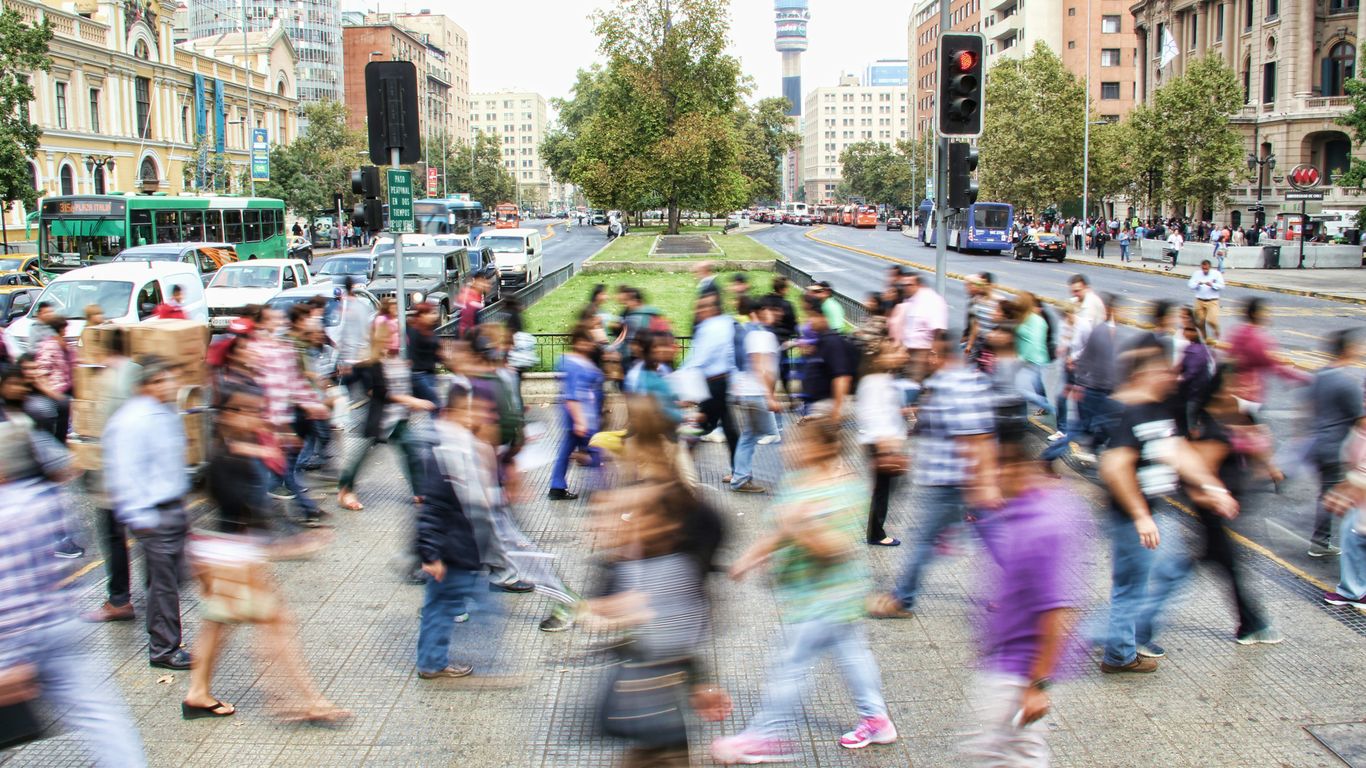
Arriving at the right time significantly changes your experience. During the middle of the work week, lunch hours become remarkably crowded as the surrounding business district gathers, so planning accordingly is wise.
Best times to visit to avoid peak crowds
If you prefer a quieter environment, consider visiting during the late afternoon or later in the evening after the main dinner rush. This window allows you to enjoy the architecture and food selection without the frantic pace of the typical city lunch crowd, and it is also the best time to enjoy local cuisine at a comfortable pace.
Transport options via public transport
Getting to the site is easy thanks to the nearby train network. Most visitors arrive via the Downtown Line or East-West Line, making it a very accessible location for those using public transport.
Navigating the location in the Downtown Core
The area is situated within a dense grid of streets, so it helps to have a map handy when navigating from the nearest station. Whether you are traveling alone or seeking expert legal advice on transport routes, the walk from the stations is flat and well-signposted.
A foodie’s guide to local dishes
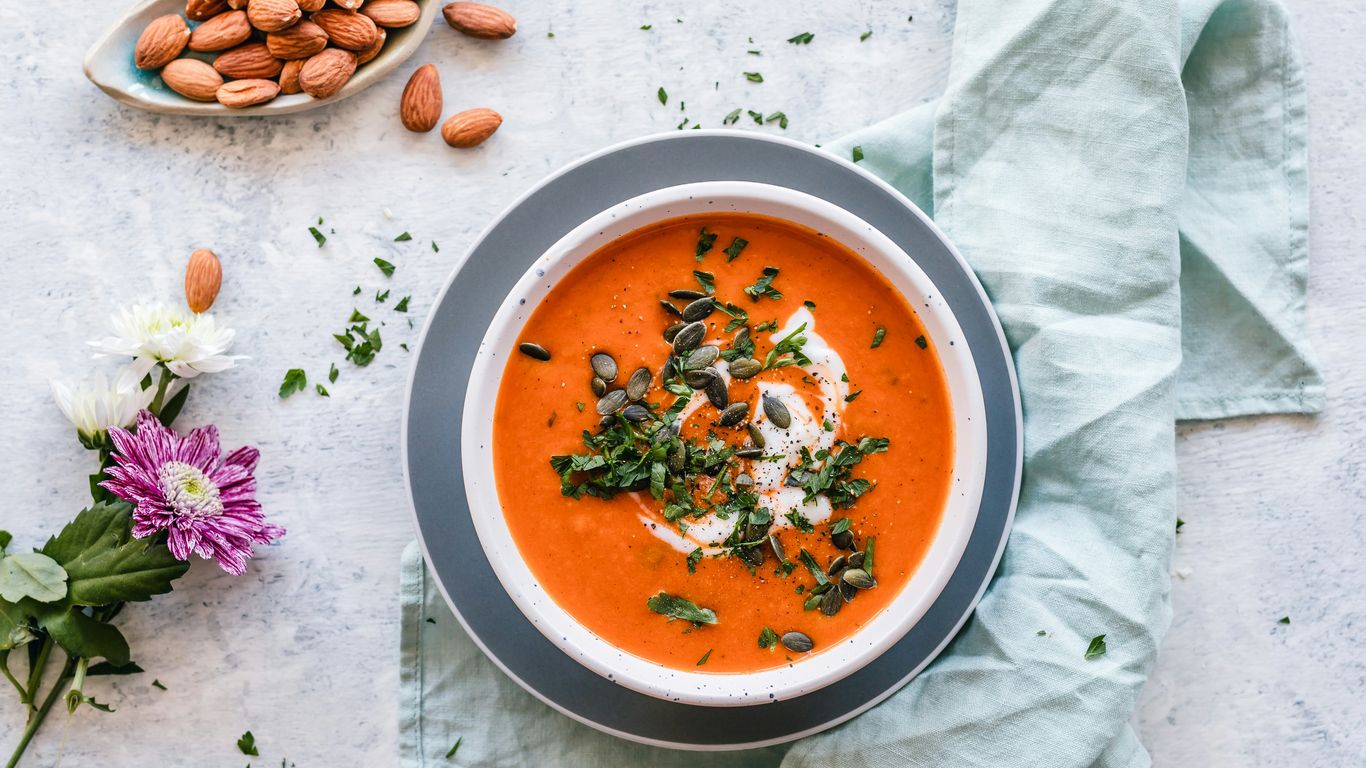
One of the main draws is the sheer variety of food on offer. Because it is managed by FairPrice Group, the operational standards ensure a consistent experience for diners looking to try authentic local dishes.
Traditional hawker staples to sample
When exploring the menu, look for local classics like Hainanese chicken rice or laksa. The following table highlights some of the popular categories available for hungry visitors:
| Dish Type | Average Price | Popular Pairings |
|---|---|---|
| Noodle Dishes | $6 – $8 | Lime juice |
| Rice Sets | $7 – $9 | Iced tea |
| Satay Skewers | $10 – $15 | Peanut sauce |
The iconic Satay Street experience
Perhaps the most well-known element at this site is the open-air satay hawker experience that takes place on closing the street to vehicles. Under the night sky, visitors can enjoy grilled skewers with the backdrop of the city lights.
Diverse regional cuisines and food stalls
While the main building features many stalls, the variety extends beyond just traditional Malay or Chinese options. The site is managed by Kopitiam to curate a broad selection that keeps the food offerings fresh and representative of a modern city palate.
Etiquette for ordering and finding a seat
Finding a seat can be a challenge during peak times, so keep an eye out for diners who are finishing up. It is generally understood that you should order your meal first and then look for a spot, especially if you have a group.
Essential amenities and visitor services
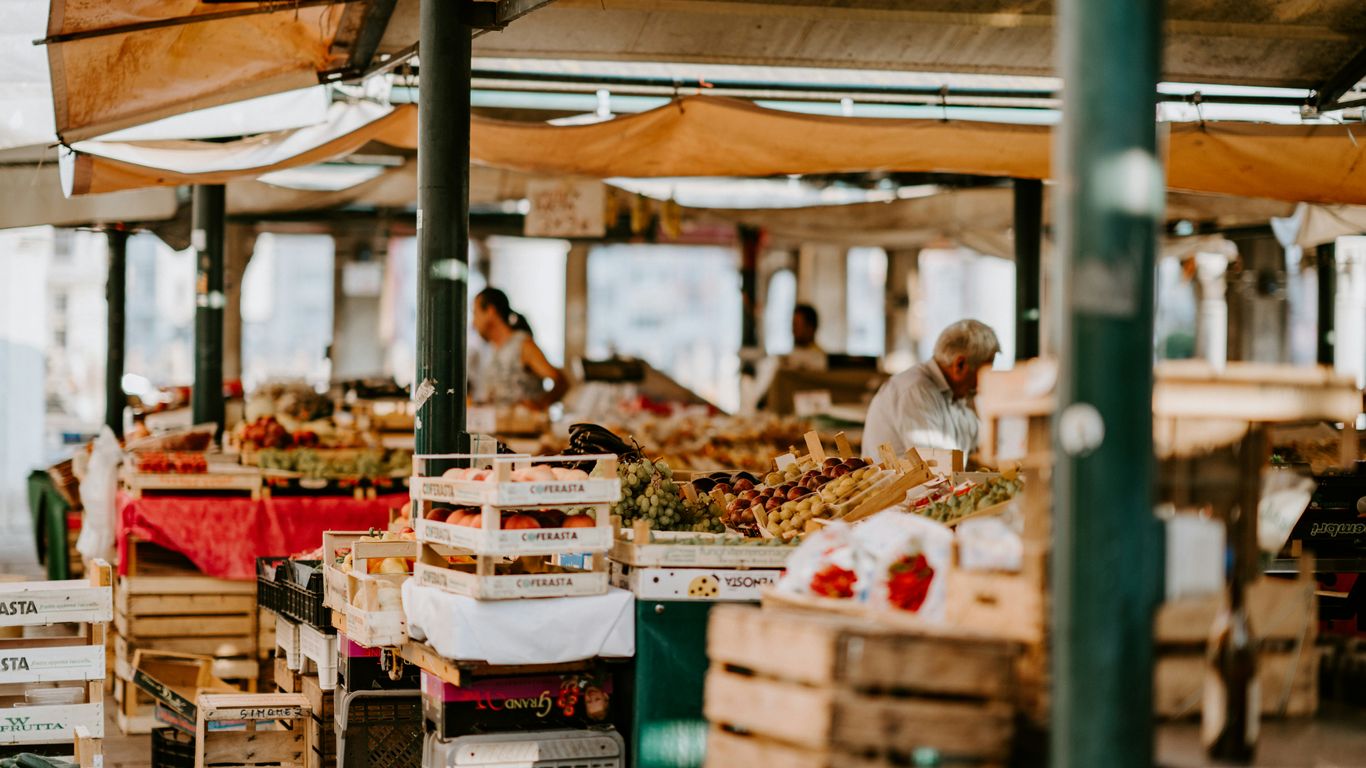
Beyond the food, the location provides several services that make it a functional hub for the area. Everything from retail needs to basic maintenance is handled to keep the space running efficiently.
Retail options and specialty shops
Inside, you will find a number of small stores catering to everyday needs. This includes services ranging from tailoring to laundry, integrated into the site to serve both locals and tourists alike.
Maintaining hygiene and cleanliness standards
Cleanliness remains a top priority to ensure that the environment stays pleasant for everyone. The staff works diligently to clear tables and maintain the shared spaces throughout the day.
Availability of 24-hour services and facilities
Because the site is a major hub, it is designed to be accessible. Some facilities, including convenience stores, are available around the clock, which is extremely convenient for late-night visitors wandering through the city center.
Practical tips for a smooth experience
Navigating a bustling food environment requires a bit of foresight. Taking the right approach ensures you spend less time worrying and more time eating.
Using cashless payment methods
Most vendors are equipped to handle digital payments, which speeds up the process significantly. It is best to have a mobile payment app or card ready when you approach the counter to keep the queue moving.
Managing personal belongings in busy areas
In high-traffic zones, always keep your bag in front of you. Being aware of your immediate surroundings helps you enjoy the atmosphere without being concerned about your possessions.
Surviving the tropical heat and humidity
Singapore is quite warm year-round, and this open-air market can get humid. Wearing light, breathable fabrics makes a huge difference if you decide to sit near the outer perimeter where the airflow is best.
Coordinating meals for large groups
For large parties, it helps to arrive in two shifts. One group can secure seats while the others roam the different stalls to pick out dishes, creating a coordinated effort to assemble a full table of food.
Conclusion
A trip to this historic landmark is a quintessential way to appreciate the diverse culinary landscape of the city. By staying flexible with your timing and embracing the vibrant pace of the environment, you ensure a memorable and tasty experience.
Frequently Asked Questions
Is the market open on public holidays?
The site generally remains open during public holidays, as it is a major landmark, though some individual stalls might decide to take the day off.
Can I find vegetarian food options?
Yes, there are several stalls that offer meat-free alternatives, including noodle dishes and vegetable-based sides, so vegetarians should have plenty to choose from.
Are there restrooms available on-site?
Public restrooms are located within the premises for the convenience of all visitors and are maintained throughout the day.
Is the area wheelchair accessible?
The ground level is designed with clear pathways, making it accessible for visitors using wheelchairs or those with strollers.
Do I need to make a reservation?
No reservations are required. Because it is a casual hawker center, seating functions on a first-come, first-served basis regardless of your group size.
Where can I find the nearest parking?
Public parking is available in the surrounding office buildings nearby, though it is usually much more convenient to arrive by train.
Is there an entry fee?
There is no cost to enter the building. You only pay for the food and drinks you purchase from the various individual vendors.