
Key Takeaways
Marina Barrage functions as a multifaceted civil engineering feat that anchors Singapore’s environmental strategy. This guide explores how it balances flood mitigation, water collection, and community leisure.
- It serves as a vital tidal barrier for flood control.
- The facility creates an extensive downtown freshwater reservoir.
- Its iconic design incorporates a massive green rooftop.
- Visitors can engage with educational sustainability exhibits.
- The infrastructure integrates recreational spaces into urban planning.
Understanding the purpose of Marina Barrage
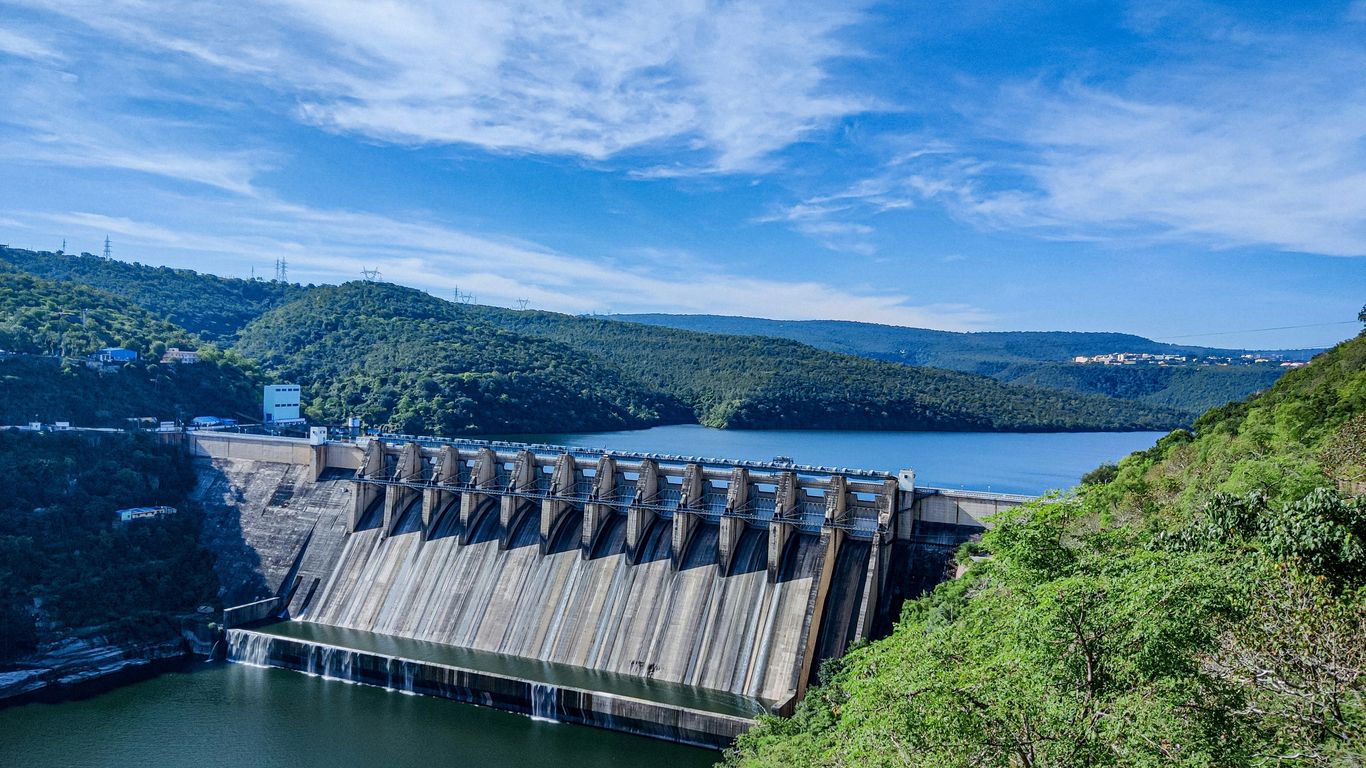
Flood control mechanisms in the city centre
The facility acts as a crucial barrier to keep seawater from flooding low-lying areas during heavy rain and high tides. By managing flow, it ensures that downtown districts remain safe regardless of intensity levels in storm events.
Development as a freshwater reservoir
As explained in the vital tidal barrage, the project successfully transformed Marina Bay into a massive freshwater body. This conversion provided a new source of water storage within the urban footprint, effectively functioning as the country’s fifteenth reservoir.
Impact on Singapore’s water self-sufficiency
By collecting rainwater from a massive catchment area, the reservoir helps reduce reliance on external supplies. This project represents a long-term shift toward a sustainable and stable water supply for the nation, highlighting the importance of thoughtful urban design in resource management.
Integrating infrastructure into the urban landscape
Infrastructure here is not just hidden underground but becomes a focal point of city life. When you visit for a technical site visit, you can clearly see how the dam serves as both a defensive wall and a public destination.
Engineering and architectural design
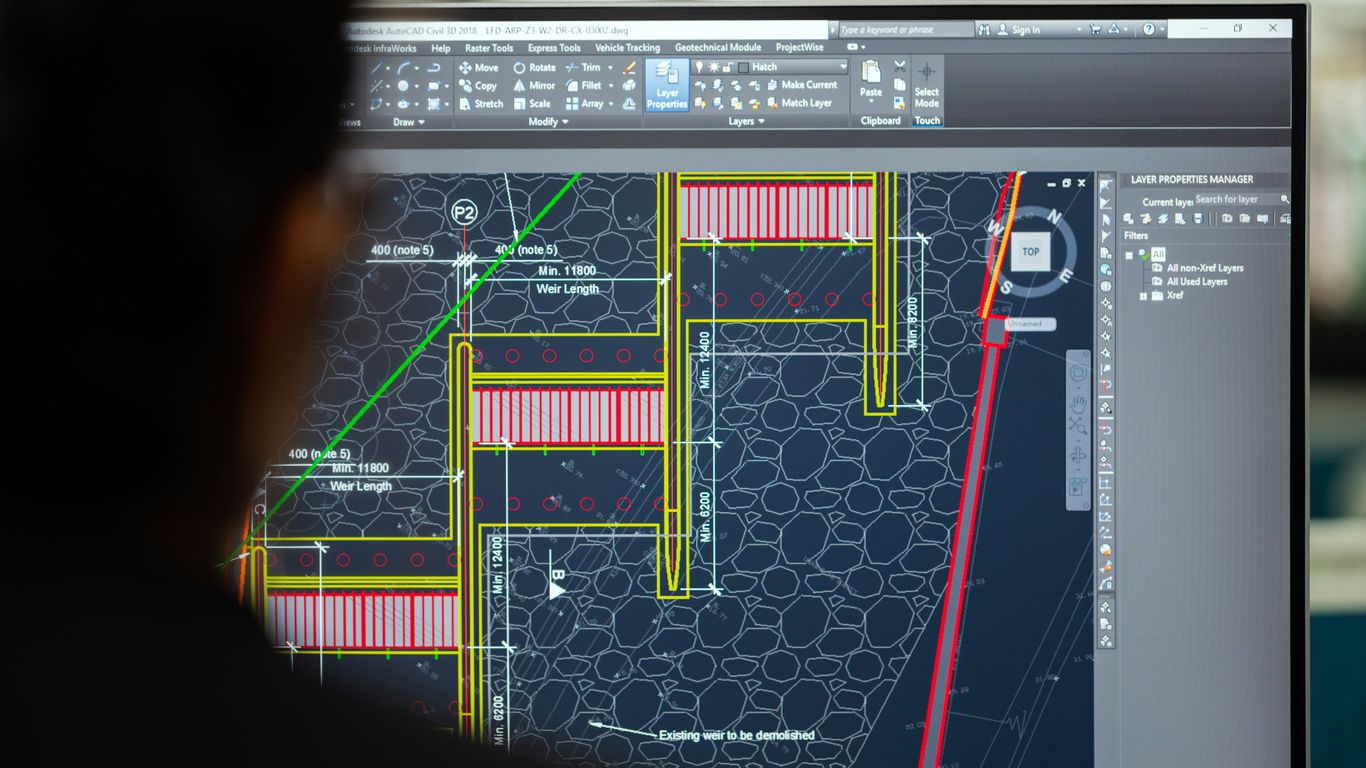
The function of the nine crest gates
The dam features nine large steel gates that move depending on tide conditions. These gates operate to release excess water from the channel, ensuring the reservoir level remains consistent even during rainy periods.
Advanced drainage and pumping systems
When high tides prevent the gravity-fed gates from releasing water, the facility activates its high-capacity pumps. These systems are powerful enough to move immense volumes of water through the barrier to manage overflow efficiently.
Sustainable design and green rooftop integration
The rooftop garden covering the facility is more than just a park; it houses solar panels and insulation systems. As discussed by CDM Smith, the design balances technical performance with green space, creating a structure that contributes to renewable energy production and local temperature regulation.
| Feature | Performance Capability | Purpose |
|---|---|---|
| Crest Gates | Tidal Regulation | Flood Mitigation |
| Pump Stations | High-Flow Drainage | Overflow Control |
| Solar Array | Renewable Energy | Power Generation |
This table illustrates the high-performance capabilities of the core infrastructure assets.
The role of the dam in coastal protection
Beyond simply holding back water, the dam acts as a shield for the city’s coastline. It prevents saltwater intrusion into the reservoir, allowing the basin to remain a fresh, usable water source for the community.
Recreational activities to enjoy
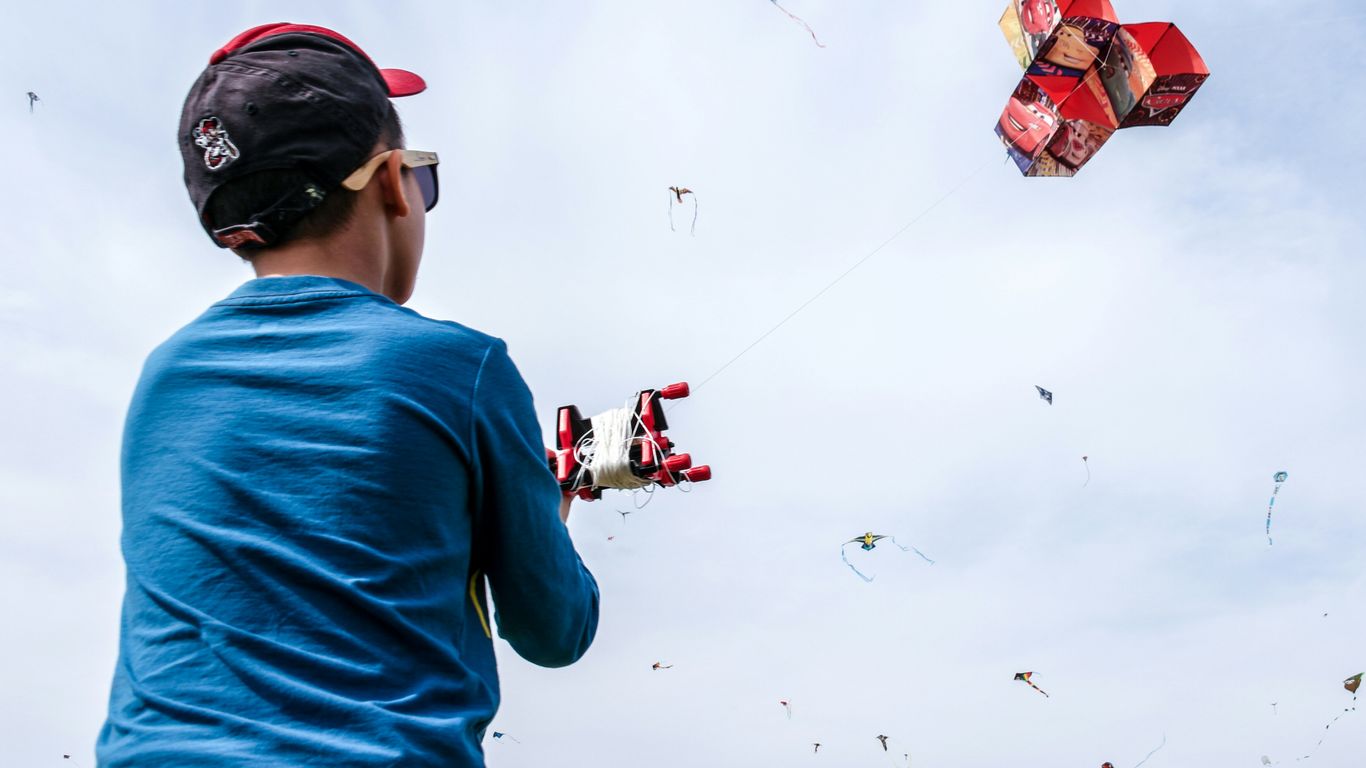
Kite flying on the green grass roof
The expansive turf roof offers one of the few high-altitude, open spaces in the area where wind conditions are reliably favorable. It has become a tradition for many residents to head to this elevated lawn on weekends to fly kites against the skyline backdrop.
Water sports and boating in the reservoir
The calm waters of the reservoir provide an ideal environment for kayaking and recreational boating. Beginners and enthusiasts often gather here for organized sessions to enjoy time on the water in a protected setting.
Picnic spots and family leisure zones
Families often choose this location for casual weekend gatherings, taking advantage of the wide-open grass areas. From what you might find on Marina Barrage Singapore, the area is perfectly set up for relaxing afternoons away from typical indoor city environments.
Scenic walking paths and photography angles
Visitors can explore paths that circle the reservoir, offering unique perspectives of the city architecture from across the water. Many photographers consider this one of the most effective spots to capture the contrast between nature-inspired engineering and the modern skyline.
- Rent equipment for water activities.
- Walk the full perimeter of the reservoir.
- Bring a blanket for afternoon picnics.
- Explore the rooftop observation points.
Planning your time around these activities ensures a full day of diverse, outdoor experiences.
Educational resources and sustainability
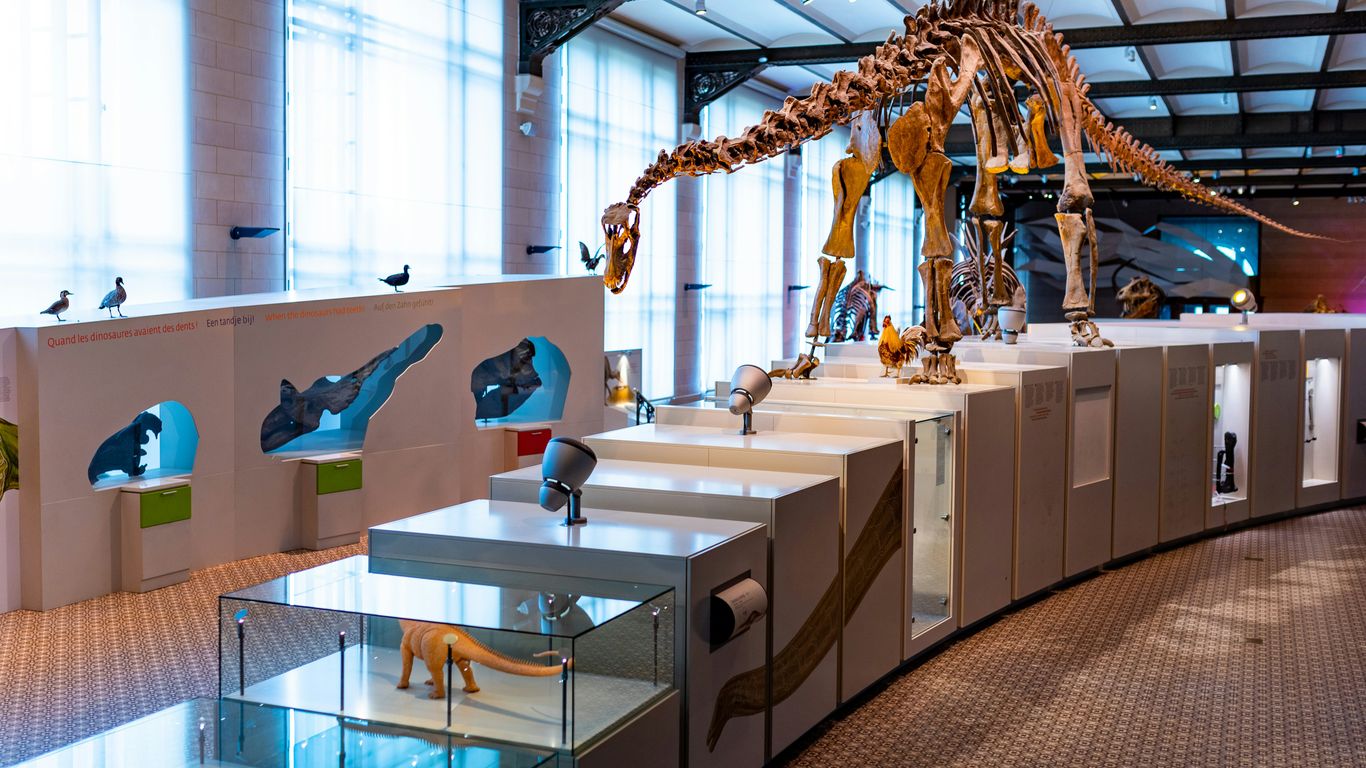
Exploring the Sustainable Singapore Gallery
Visitors can gain deeper insight into the environmental journey of the nation by walking through the gallery. It offers a structured way to understand the history of water management and the innovations that shaped this urban landscape.
Understanding the water cycle in an urban environment
The exhibits break down how the city captures, treats, and reuses water on a massive scale. Learning about this process makes the functions of the surrounding dam much clearer and more intuitive for everyday observers.
Interactive exhibits on environmental conservation
Interactive displays act as an educational bridge, helping younger guests grasp complex topics like resource recycling. Using Traveloka to organize your trip details can even help you plan your visit around these educational hours.
Learning about the city’s climate change adaptation
Climate adaptation is a core component of the site’s mandate, and displays explain why these measures are necessary for long-term viability. It helps visitors book your visit for a more structured, educational session.
Practical planning for your visit
Best times of day to beat the heat
Early mornings or late afternoons are significantly more comfortable for those planning to spend time on the rooftop. Avoiding mid-day sun helps ensure the experience remains pleasant rather than straining.
Transportation and accessibility options
Public transport options like buses and trains connect commuters to the nearby areas, with a short walk or taxi ride covering the final distance. Check local schedules to ensure you arrive during optimal operating hours for the facility.
Preparing for outdoor weather conditions
Since much of the site is outdoors, keeping a hat, sunscreen, and extra water on hand is advised. The rooftop has limited shelter, so prepare for short bursts of tropical sun or rain as needed.
On-site amenities and dining availability
Convenience stores and small dining outlets are available at the base, making it easy to grab snacks or refreshments. These amenities serve as a helpful touch for those who decide to stay longer than originally planned.
Conclusion
Marina Barrage remains a landmark example of how infrastructure can serve practical utility and public recreation simultaneously. By turning essential water management into a beautiful community space, the site proves that technical brilliance can enhance urban living for everyone who visits.
Frequently Asked Questions
Is the rooftop area free for the public to enter?
Yes, the grass rooftop is a public space open to anyone who wants to enjoy the views, fly a kite, or have a picnic, provided the area remains respectful and clean.
Are there rental services for kites or sports equipment on-site?
While some convenience stores sell basic kites and small items, it is often better to bring your own specialized sports equipment, as on-site rentals for items like kayaks may be limited or require specific advance booking.
What should I do if it starts to rain while I am on the green roof?
Because the roof is an open-air environment with limited hard shelter, visitors should head back toward the visitor centre or building shelters located at the lower levels if the weather turns quickly.
Can I fish anywhere in the reservoir?
Fishing is strictly permitted only in designated zones marked for accessibility rather than random shoreline areas. Always check for signage or specific local regulations regarding permitted catch methods and species.
How often do the crest gates move?
The operation of the gates is programmed to match tidal patterns and rainfall intensity rather than a fixed schedule. They open and close to maintain a steady reservoir level regardless of sea conditions.
Are there guided tours available for the sustainability facility?
Yes, educational guided tours can often be arranged for those interested in the environmental gallery, though these might require advance planning or checking the schedule online prior to your arrival.
Is the water in the reservoir safe for swimming?
Swimming is not permitted in the reservoir to ensure safety and hygiene. Visitors can enjoy contact with the water through permitted boating activities like kayaking instead.