
Singapore’s dining scene is seriously impressive, especially when you’re talking about those fancy Michelin-starred places. Getting a table at these top spots can feel like a mission. It’s not just about having the cash; you’ve got to be smart about how you book. This guide will walk you through how to snag a reservation at Singapore’s best, so you can enjoy an amazing meal without all the usual fuss. We’ll cover everything from when to book to what to wear, making sure your fine dining experience goes off without a hitch.
Key Takeaways
- Booking michelin star restaurants Singapore wide, particularly the most popular ones, generally needs to be done weeks or even months ahead because they get snapped up fast.
- Using online booking platforms like Chope or SevenRooms, or booking directly through the restaurant’s website, is the best way to secure a table, especially for prime dining times.
- Consider booking a lunch service as an alternative to dinner; these often have more availability and can be more affordable while still offering a fantastic culinary experience.
- Always let the restaurant know about any dietary needs or allergies when you make your booking, as this allows the kitchen ample time to prepare suitable options.
- While fine dining is a treat, remember that Singapore’s food culture is also rich with amazing hawker stalls and local eateries, offering a different but equally authentic taste of the city.
Understanding Singapore’s Michelin Starred Restaurants
The arrival of the Michelin Guide in Singapore back in 2016 marked a significant moment for the city’s already vibrant food scene. It brought a globally recognised benchmark for culinary excellence, and since then, the number of starred establishments has grown, reflecting the depth and diversity of dining here. It’s not just about fancy restaurants; the guide looks at a whole range of places, from high-end dining rooms to more casual spots, all judged on the same strict criteria.
The Arrival Of The Michelin Guide In Singapore
Singapore was the first city in Southeast Asia to be included in the prestigious Michelin Guide. This was a big deal, acknowledging what many locals and visitors already knew – that Singapore was a serious food destination. The guide’s inspectors travel the world, eating anonymously and paying for their meals, to assess restaurants based on five key principles. This impartial approach gives the stars their weight.
Criteria For Earning A Michelin Star
So, what exactly do the inspectors look for? It boils down to a few core things:
- Quality of the ingredients: Are they fresh, top-notch, and used thoughtfully?
- Mastery of flavour and cooking techniques: Is the food cooked well, with balanced tastes and textures?
- The personality of the chef in the cuisine: Does the chef’s unique style and vision come through in the dishes?
- Value for money: While these are fine dining spots, the experience should feel worth the price.
- Consistency: Can the restaurant deliver the same high standard every time a customer visits?
It’s important to remember that a star isn’t just about a single amazing meal; it’s about consistent quality and a memorable dining experience from start to finish.
Interpreting Michelin Star Ratings
Understanding what the stars mean is pretty straightforward, but it helps set expectations:
- One Star (★): This signifies a “very good restaurant” in its category. It means you’re in for a treat with well-executed, high-quality food.
- Two Stars (★★): This indicates “excellent cooking, worth a detour.” You can expect something special, a place that stands out significantly.
- Three Stars (★★★): This is the highest accolade, meaning “exceptional cuisine, worth a special journey.” These are the restaurants that offer a truly unique and outstanding culinary adventure. You can see the full selection of Singapore’s starred restaurants on the MICHELIN Guide Singapore website.
Singapore’s culinary landscape is incredibly diverse, and the Michelin Guide reflects this, awarding stars to restaurants serving everything from refined French and innovative modern Asian to authentic Japanese and more. It’s a testament to the city’s ability to excel across various cuisines.
Planning Your Michelin Starred Dining Experience
Securing a table at Singapore’s top restaurants is a bit of an art form, and it definitely pays to plan ahead. These places are popular for a reason, so just showing up isn’t really an option.
Advance Booking Windows For Reservations
Most of the really sought-after spots open their reservation books quite far in advance. For some of the three-star places, you might need to be looking three to six months ahead. It sounds like a lot, but it gives you a better shot at getting in. It’s a good idea to mark your calendar for the exact day and even the minute reservations open. Different restaurants have different systems, so check their websites or social media for the specifics. Some might open bookings 60 days out, others 30, and a few might even go up to 90 days. Getting in early is key.
Leveraging Reservation Platforms
Singapore has a few go-to platforms that make booking easier. Websites like Chope and OpenTable are commonly used by many restaurants. It’s worth setting up an account on these before you even start looking, just to save time when you’re ready to book. Some restaurants also have their own booking systems, so keep an eye out for those too. Having these accounts ready means you can jump straight to selecting your date and time when the booking window opens, rather than fumbling with sign-ups.
Considering Lunch Services For Availability
If dinner slots are proving impossible to snag, don’t forget about lunch. Often, the menus are very similar, if not identical, to the dinner service, but they tend to be more affordable. Plus, lunch reservations are generally easier to come by. It’s a great way to experience the same quality of food and service without the dinner rush or the higher price tag. You might find that Tuesday through Thursday lunch services are particularly good for availability.
When you’re planning, remember that these aren’t just meals; they’re experiences. Think about the whole evening, or afternoon, and don’t schedule anything too tight afterwards. Rushing through a tasting menu just isn’t the way to go.
Here’s a general idea of what to expect with booking windows:
- 3-Star Restaurants: Often require booking 3-6 months in advance.
- 2-Star Restaurants: Typically open bookings 1-3 months ahead.
- 1-Star Restaurants: May have more flexibility, with booking windows around 30-60 days out.
It’s always best to check directly with the restaurant for their specific policy. You can find some of the best dining experiences in Singapore by exploring restaurants recognised by the Michelin Guide.
Securing A Table At Singapore’s Top Restaurants
Getting a table at Singapore’s top-rated restaurants isn’t always straightforward. These places are popular for a reason, and you’ll often need a bit of planning to snag a spot. Booking well in advance is usually your best bet.
Booking Michelin Star Restaurants Singapore Wide
Most of the highly-rated restaurants in Singapore open their reservation books quite a bit ahead of time. We’re talking anywhere from 30 to 90 days out, depending on the place. It’s a good idea to check the specific restaurant’s website or their booking platform to see exactly when they release new tables. Some even drop them at midnight Singapore time, so you might need to set a reminder if you’re in a different time zone. For popular spots, especially those in areas like Marina Bay, those tables can disappear in minutes. It’s worth looking into reservation platforms like Chope or SevenRooms, as they often handle bookings for many of these establishments.
Strategies For Last-Minute Tables
While booking ahead is ideal, sometimes you get lucky. If you’re after a last-minute table, your best bet is to call the restaurant directly. Cancellations do happen, and if you’re polite and flexible, you might just snag a spot, particularly if you’re aiming for a weekday. Some restaurants, like Burnt Ends or Labyrinth, sometimes have seats available at the bar or counter, especially if you’re willing to try your luck on the day. Keep an eye on their social media too; they sometimes post about last-minute openings.
Exploring Bar Or Counter Seating Options
Don’t overlook the bar or counter seating. Many restaurants offer these spots, and they can be a fantastic way to get a table when regular dining room seats are all booked. It often means you’re closer to the action, sometimes right by the open kitchen, which can be a really interesting experience. Plus, it can sometimes be a more relaxed way to dine. For places that focus on a chef’s counter experience, this is often the prime spot to be, offering direct interaction with the chefs. It’s a great alternative if you can’t get a full table.
Getting a reservation at a Michelin-starred restaurant often requires a bit of detective work and patience. Understanding their booking windows and being ready to act quickly are key. Don’t be afraid to explore different seating options or try your luck with last-minute cancellations; you might be surprised what you can find.
Here’s a general idea of booking windows:
- 30 Days Out: Many restaurants open their books a month in advance.
- 60 Days Out: Some popular spots release tables two months ahead.
- 90 Days Out: A few might open bookings even further out.
Remember to check each restaurant’s specific policy, as these can vary. For those looking to experience Singapore’s culinary scene beyond the guide, exploring hawker centres can offer a different, yet equally authentic, taste of the city.
Maximising Your Michelin Starred Reservation
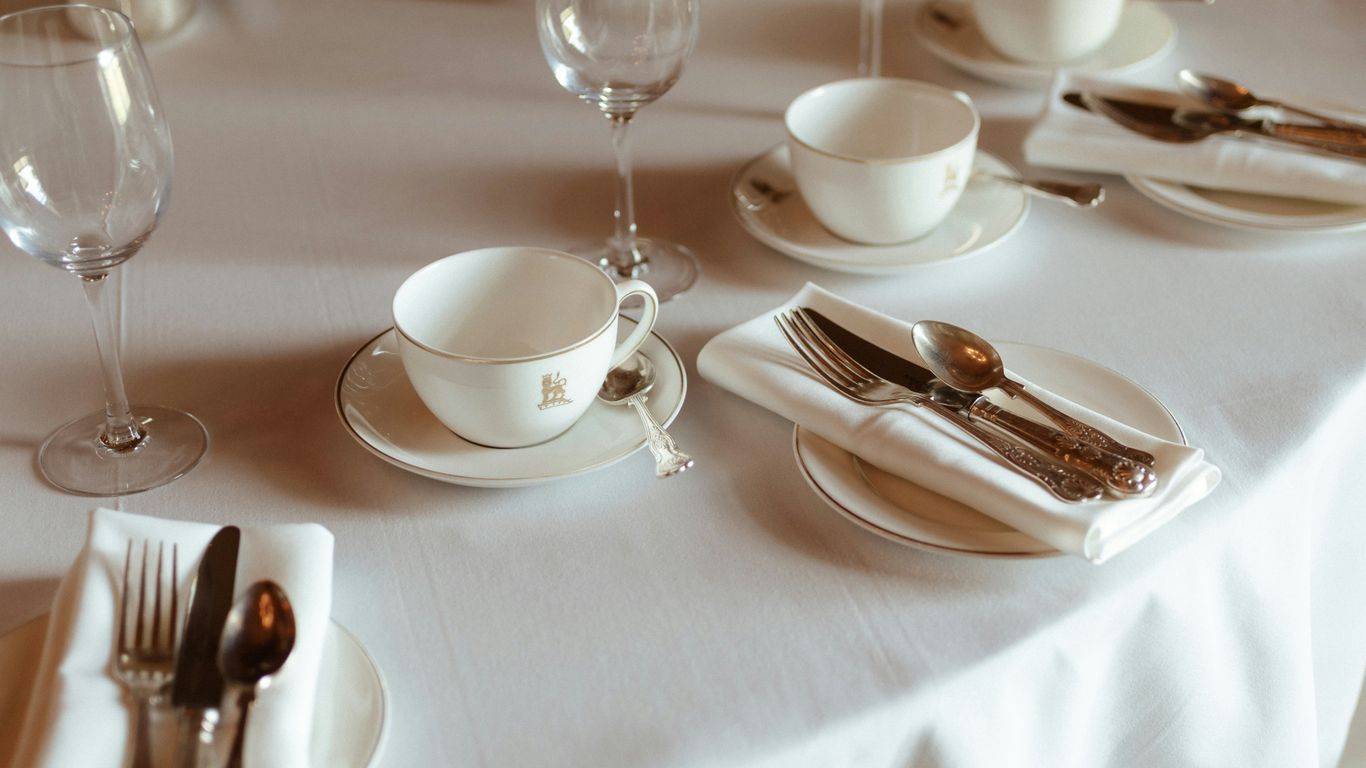
So, you’ve managed to snag a table at one of Singapore’s highly-rated restaurants. That’s a win! But the experience doesn’t stop once you’ve booked. To really get the most out of your fine dining adventure, there are a few things to keep in mind before and during your meal.
Communicating Dietary Needs In Advance
This is a big one. If you or anyone in your dining party has dietary restrictions, allergies, or strong preferences (like being vegetarian or halal), let the restaurant know when you book. These kitchens are usually pretty good at accommodating requests, but they need a heads-up. Trying to sort out a last-minute gluten-free meal when the tasting menu is already set? It’s not ideal for anyone and might limit what they can offer you.
- Allergies: Be specific about what you can’t eat.
- Dietary Preferences: Vegetarian, vegan, pescatarian, halal, kosher.
- Dislikes: If there’s something you absolutely won’t eat, mention it.
Requesting Kitchen Views Or Counter Seats
Some places offer a bit more than just a table. If you’re curious about what goes on behind the scenes, see if you can snag a seat with a view of the kitchen. It’s like a live cooking show! For an even more up-close experience, especially at places like sushi restaurants, ask about counter seating. You might get to chat with the chefs and see their craft firsthand. It really adds another layer to the whole meal.
Engaging With The Service Team
Don’t be shy! The staff at these restaurants are usually passionate about what they do. The sommelier knows their wines, the servers know the dishes, and the chefs are the artists. Asking questions about the ingredients, where they come from, or the inspiration behind a particular dish can lead to some really interesting conversations. It’s a chance to learn more and appreciate the effort that goes into every plate. Plus, they often have great recommendations for wine pairings or even other spots to check out, maybe even some of the local hawker centres that are celebrated for their quality, like those found at award-winning stalls.
Arriving too hungry can actually make the experience less enjoyable. You might feel rushed or impatient. It’s a good idea to have a light snack a few hours before your reservation so you’re comfortable but not starving when your first course arrives.
Navigating Dining Etiquette And Dress Codes

Appropriate Attire For Fine Dining
When you’re heading to a Michelin-starred restaurant in Singapore, it’s a good idea to put a bit of thought into what you’re wearing. Most places expect at least smart casual, which usually means a collared shirt for the blokes and something a bit dressy for the ladies. Think along the lines of a nice blouse with a skirt or tailored trousers, or even a smart dress. Definitely leave the flip-flops, ripped jeans, and gym gear at home; they just don’t fit the vibe at these establishments. Some of the fancier spots might even suggest or require a jacket for men, especially for dinner. If you’re unsure, it’s always best to check the restaurant’s website or give them a quick call before you go. It’s better to be a little overdressed than to feel out of place when you arrive. For women, a cocktail dress or a chic pantsuit works well, aiming for an elegant look that respects the dining environment. Check specific guidelines to be sure.
Understanding Service Charges And Tipping
Singapore’s dining scene has a pretty straightforward approach to service charges. Most restaurants, including those with Michelin stars, will add a service charge to your bill automatically. This means that tipping isn’t generally expected in the same way it might be in other countries. You’ll see this charge listed on your receipt, so there’s no need to calculate an extra amount. It simplifies things, really. If you’ve had an absolutely outstanding experience, a small gesture is always appreciated, but it’s certainly not a requirement. The focus is on the quality of the food and the service provided, which is already accounted for in the pricing.
The price you see on the menu is usually just the start. Factor in drinks, especially wine pairings, which can add a significant amount to the final bill. Also, remember that tasting menus are designed to be savoured over several hours, so don’t plan anything too rushed immediately afterwards.
Photography Etiquette During Your Meal
Most Michelin-starred restaurants in Singapore are happy for you to snap a few photos of your food and the ambiance. However, it’s worth being mindful of a few things. Some places might ask you to avoid using flash, as it can be disruptive. Others might prefer you don’t photograph other diners, which is understandable – you wouldn’t want your meal interrupted by someone else’s camera. A few very exclusive places might even discourage photos altogether to keep the atmosphere just right. Always respect the restaurant’s policy on this. If you’re unsure, a quick glance around to see what others are doing, or a discreet question to the staff, can help. The goal is to capture memories without disturbing the experience for yourself or anyone else.
- Be discreet: Avoid taking photos that intrude on other diners’ space.
- No flash: Unless explicitly permitted, keep your flash off.
- Respect policies: If a restaurant discourages photography, abide by their wishes.
- Focus on your food: Generally, photos of your own dishes are most welcome.
Seasonal Considerations For Michelin Dining
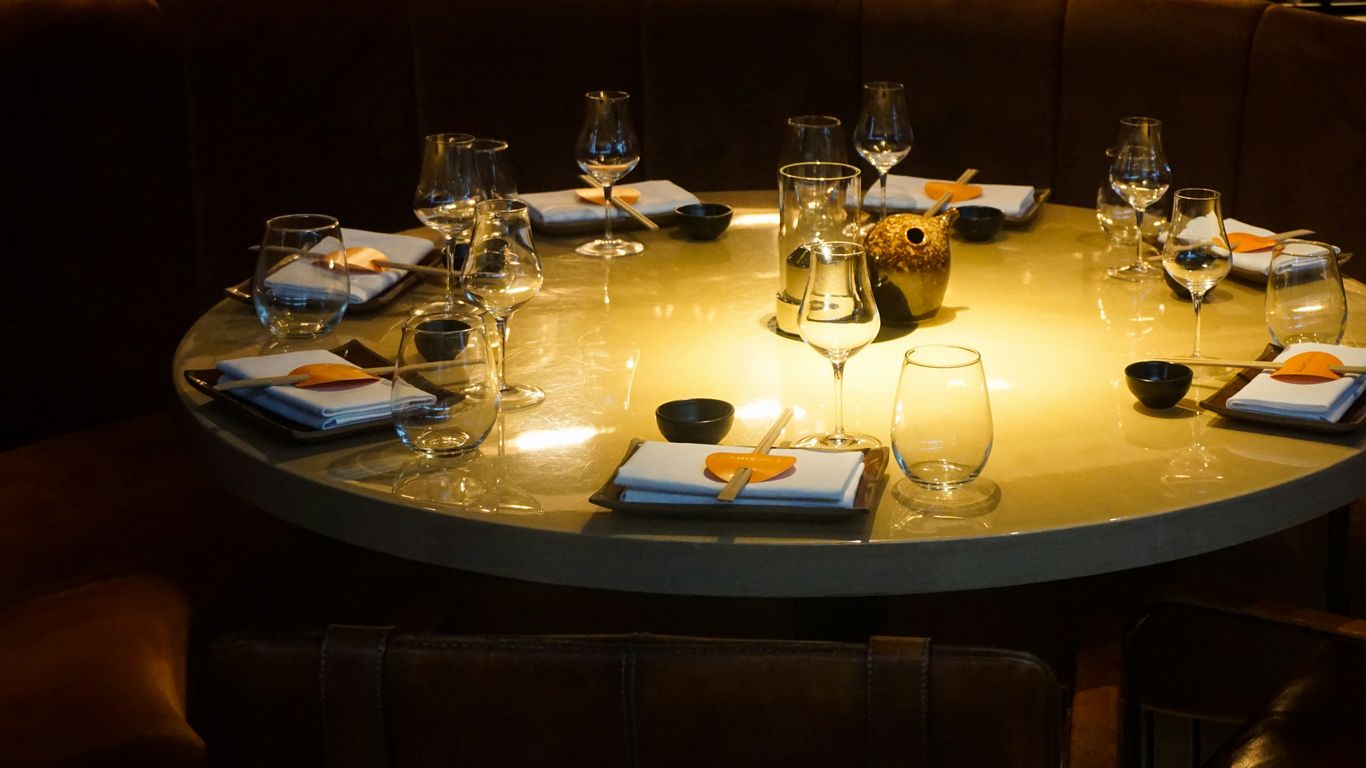
While Singapore’s tropical climate means you won’t find the same distinct seasons as in cooler parts of the world, seasonality still plays a role in the city’s top restaurants. Many establishments focus on imported produce or global ingredients, so they can highlight specific seasonal items from elsewhere. Japanese restaurants, for instance, are often quite particular about seasonal fish and produce from Japan.
Impact Of Festive Periods On Bookings
Major holidays can significantly affect your chances of getting a table. Chinese New Year, usually in late January or February, often sees Chinese restaurants offering special menus. But it’s not just them; demand spikes across the board during this time. Similarly, the year-end holiday period, from mid-December through early January, is peak season for dining out. If you’re planning a visit during these busy times, booking well in advance is absolutely necessary.
The Formula 1 Grand Prix Effect
If you’re a motorsport fan, you’ll want to plan your dining around the Formula 1 Singapore Grand Prix. This event, typically held in September, brings a lot of international visitors to the city. This means restaurant reservations, especially in popular areas, become incredibly competitive. It’s a good idea to book your dining spots around the same time you sort out your accommodation if you’re attending the race.
Restaurant Week Singapore Opportunities
Twice a year, Singapore hosts Restaurant Week. This event is a fantastic chance to try out some of the city’s acclaimed restaurants, including some Michelin-starred ones, at a more accessible price point. They usually offer special set menus. While these menus might be a bit simpler than the regular offerings, it’s a great way to sample different places without breaking the bank. It’s a good opportunity to explore Singapore’s culinary scene beyond just the usual fine dining.
Beyond The Stars: Exploring Singapore’s Culinary Scene
Discovering Restaurants Outside The Guide
While Michelin stars are a fantastic benchmark for quality, Singapore’s food scene is so much richer than just the restaurants that have earned a spot in the guide. Many incredible places operate without the fanfare of a star, offering unique experiences that might not fit the traditional Michelin mould. These could be experimental kitchens, super casual neighbourhood joints, or places that are just too new to have been assessed. To find these hidden gems, it’s worth checking out local food blogs, following Singapore-based food writers, or even asking your hotel concierge for recommendations. Sometimes, the most memorable meals come from unexpected places.
Balancing Fine Dining With Local Eateries
Honestly, a trip to Singapore shouldn’t be all about white tablecloths and tasting menus. The real heart of Singaporean food beats in its hawker centres and local coffee shops. These are the places where people eat every day, and it’s where you’ll find the authentic flavours that inspire even the most decorated chefs. Mixing it up is key. You can splurge on a fancy dinner one night and then spend the next day hopping between hawker stalls, trying a bit of everything for a fraction of the cost. It stops your palate from getting tired and gives you a much better feel for the culture. Plus, many Michelin-starred chefs draw inspiration from these humble beginnings, so tasting the original dishes gives you a whole new appreciation for their refined versions.
Appreciating Hawker Culture’s Influence
Singapore’s hawker culture is something special, recognised by UNESCO, no less. It’s more than just cheap eats; it’s a vibrant part of the city’s identity. You’ll find an amazing variety of food, from Hainanese chicken rice and laksa to satay and char kway teow, all cooked fresh in front of you. It’s a fantastic way to sample a huge range of local dishes without breaking the bank. Many food tours focus on these centres, offering a structured way to explore the best stalls and understand the stories behind the food. It’s a truly immersive experience that complements any fine dining you might be doing. You can find some great starting points for exploring these culinary hubs on Taste of Singapore.
Singapore’s food landscape is a fascinating tapestry, woven with threads from various cultures. While Michelin-starred establishments showcase the pinnacle of culinary artistry, the everyday eateries and bustling hawker centres offer a different, equally important, perspective on the nation’s gastronomic soul. Embracing both provides a complete picture of what makes Singapore a food lover’s paradise.
Ready to dive into Singapore’s amazing food scene? From bustling hawker centres to fancy restaurants, there’s a flavour for everyone. Come explore the tastes that make this city unique. Want to know where to start? Check out our guide to the best eats and plan your own food adventure today!
Wrapping Up Your Culinary Quest
So, getting a table at Singapore’s top Michelin-starred spots is definitely doable, but it takes a bit of planning ahead. Think weeks, maybe even months, especially for those really popular places. Keep an eye on when bookings open, be ready to jump online, and don’t be afraid to call directly if you’re hoping for a last-minute cancellation. Whether you go for a fancy dinner or a more relaxed lunch, these restaurants offer a real taste of what Singapore’s food scene is all about. It’s a journey worth taking, and with a little effort, you’ll be enjoying some truly memorable meals.
Frequently Asked Questions
How far in advance should I book a table at a Michelin-starred restaurant in Singapore?
You’ll usually need to book quite a bit ahead, often 30 to 60 days in advance, especially for the really popular places. Some might even open bookings 90 days out. It’s a good idea to mark your calendar for when bookings open so you don’t miss out!
Are there cheaper ways to eat at Michelin-starred restaurants?
Definitely! Many places offer lunch menus that are usually less expensive than dinner but still give you a taste of their amazing food. It’s a great way to experience their cooking without breaking the bank.
What should I wear to a Michelin-starred restaurant?
Most of these fancy restaurants prefer smart casual or smart elegant attire. Think neat trousers or a skirt, a nice top or shirt. It’s best to avoid things like shorts, flip-flops, or activewear. Always check the restaurant’s website just in case they have specific rules.
Can I request special meals if I have allergies or dietary needs?
Absolutely! It’s super important to let the restaurant know about any allergies, dietary restrictions, or preferences when you book. They are usually really good at accommodating these things, but they need plenty of notice to prepare something special for you.
Is tipping expected at these restaurants?
In Singapore, there’s usually a service charge added to your bill, which covers the service. So, tipping on top of that isn’t generally expected like it might be in other countries.
What if I can’t get a reservation for a popular restaurant?
Don’t give up straight away! Try calling the restaurant directly, especially on a weekday afternoon, to ask about cancellations. Some places also have bar or counter seats near the kitchen that might be available without a booking – it’s worth checking their social media for tips.