Joo Chiat and Katong, a part of Singapore that really feels like stepping back in time. It’s known for its colourful shophouses and a slower pace of life, which is a nice change from the usual city hustle. This area is basically the heartland for Peranakan culture, and if you’re a food lover, you’re in for a treat. It’s a place where food isn’t just about eating; it’s about experiencing history and tradition. This guide will help you explore the amazing food scene here, a real taste of Singapore’s soul.
Key Takeaways
- Katong is Singapore’s historical centre for Peranakan culture, recognisable by its colourful shophouses and unique blend of Chinese and Malay influences.
- Peranakan cuisine is a fusion of Chinese cooking methods with the spices and ingredients of the Malay Archipelago, creating distinct flavours.
- Must-try dishes include the iconic Katong Laksa, with its short noodles and rich coconut broth, and Nonya Kueh, a variety of colourful traditional sweets.
- Exploring Joo Chiat involves more than just eating; it’s about experiencing the local culture, community vibe, and the visual charm of the neighbourhood.
- When visiting, remember to bring cash, wear comfy shoes for walking, and respect local customs like ‘choping’ tables at hawker centres.
Exploring The Heart Of Peranakan Culture
An Introduction to Katong: A Peranakan Enclave
Walking through Katong, you’ll notice a change from the usual city buzz. It feels a bit more relaxed here, with colourful shophouses lining the streets. This area, on Singapore’s east coast, is really where Peranakan culture took root. Back in the late 1800s and early 1900s, it was a popular spot for wealthy Straits-born Chinese, known as Peranakans, to build their homes. They created a unique community, mixing Chinese traditions with influences from Malay and Indonesian cultures. You can still see this blend today, especially in the food.
While the grand seaside houses are mostly gone, the spirit of the place remains. Katong is now a go-to spot for some of the most authentic food you can find, with family recipes passed down through generations still being served. It’s a key part of Singapore’s food scene, offering a real taste of history.
Katong is more than just a neighbourhood; it’s a delicious embodiment of Singapore’s multicultural soul. It’s a place where food is crafted with love, served with pride, and enjoyed with a deep appreciation for history and flavour.
The Soul Of Flavor: Understanding Peranakan Cuisine
Before you tuck into the local dishes, it helps to know a bit about Peranakan, or Nonya, cuisine. It’s basically Southeast Asia’s original fusion food. It takes Chinese cooking methods, like stir-frying and steaming, and combines them with the fragrant spices and ingredients found in the Malay Archipelago. Think about how ingredients like lemongrass, galangal, turmeric, and candlenuts come together with the savoury notes of fermented soybean paste and shrimp paste (belacan). It’s a complex mix that creates really distinct flavours.
Here are some key elements that define Peranakan cooking:
- Spice Blends (Rempah): A base paste made from various chilies, shallots, garlic, and spices, often pounded together. This is the foundation for many dishes.
- Coconut Milk: Used generously to add richness and a creamy texture to curries and soups.
- Sour Agents: Ingredients like tamarind, calamansi lime, or assam (tamarind) are used to balance the richness with a tangy note.
- Herbs and Aromatics: Lemongrass, galangal, turmeric leaves, and pandan leaves are frequently used to add fragrance and depth.
This unique blend of influences makes Peranakan food a truly special part of Singapore’s culinary heritage. Exploring Singapore’s vibrant food scene is a great way to experience these diverse flavours.
A Culinary Journey Through Joo Chiat
Katong’s Culinary Map: Where To Find The Best Bites
Joo Chiat and Katong are absolute goldmines for anyone keen on exploring Singapore’s food scene. It’s not just about the famous Peranakan dishes, though they are certainly a highlight. This area offers a real mix, from old-school coffee shops serving up classic kaya toast to newer spots putting a fresh spin on traditional flavours. You can spend days here just eating your way through the neighbourhood and still discover something new.
The sheer variety is what makes Joo Chiat so special. It’s a place where you can start your day with a hearty breakfast, grab a quick and tasty lunch, and then settle in for a delicious dinner, all within a few blocks. It’s a true reflection of Singapore’s multicultural food heritage, with influences from Malay, Chinese, and Indian communities all blending together.
Here’s a little taste of what you can expect:
- Traditional Kopitiams: Think strong coffee, soft-boiled eggs, and kaya toast on thick slices of bread. These places are often bustling with locals and offer a genuine Singaporean breakfast experience.
- Peranakan Eateries: From casual stalls to more established restaurants, you’ll find authentic Nyonya cuisine here. Expect dishes rich in flavour, often using a blend of spices and herbs.
- Modern Cafes: Joo Chiat has also embraced the cafe culture, with many spots offering great coffee, pastries, and light meals in stylish settings.
- Street Food Favourites: While not a hawker centre in the traditional sense, you can find stalls and small eateries selling popular Singaporean street food classics.
Exploring Joo Chiat’s food landscape is like peeling back layers of history and culture with every bite. It’s a journey that rewards curiosity and an empty stomach.
Must-Try Singapore Street Food: A Taste Of Katong’s Heritage
When you’re in Joo Chiat, you can’t miss out on some of Singapore’s most beloved street food dishes. These aren’t just snacks; they’re a big part of the local identity and history. Many of these dishes have been perfected over generations, passed down through families, and you can taste that care and tradition in every mouthful. It’s a fantastic way to get a real feel for the local food culture without needing to go to a big hawker centre.
Here are a few things you should definitely keep an eye out for:
- Laksa: Katong is famous for its own distinct style of laksa. It’s a rich, coconut-based noodle soup that’s incredibly satisfying.
- Kway Chap: This is a Teochew dish featuring flat rice noodles served in a savoury broth with various braised duck or pork offal. It’s a bit more adventurous for some, but a real local favourite.
- Popiah: A fresh spring roll filled with shredded turnip, bean sprouts, and other ingredients, often served with a sweet sauce and chilli.
- Rojak: A salad of sorts, but with a unique twist. It’s a mix of fruits and vegetables, often with fried dough fritters and a sticky, sweet, and savoury prawn paste dressing.
Trying these dishes is more than just eating; it’s about connecting with the heritage of the area. You’ll find many of these treats at smaller eateries and even some of the more traditional coffee shops scattered throughout Joo Chiat and Katong. It’s a delicious way to experience Singapore’s culinary soul.
Iconic Dishes To Savour
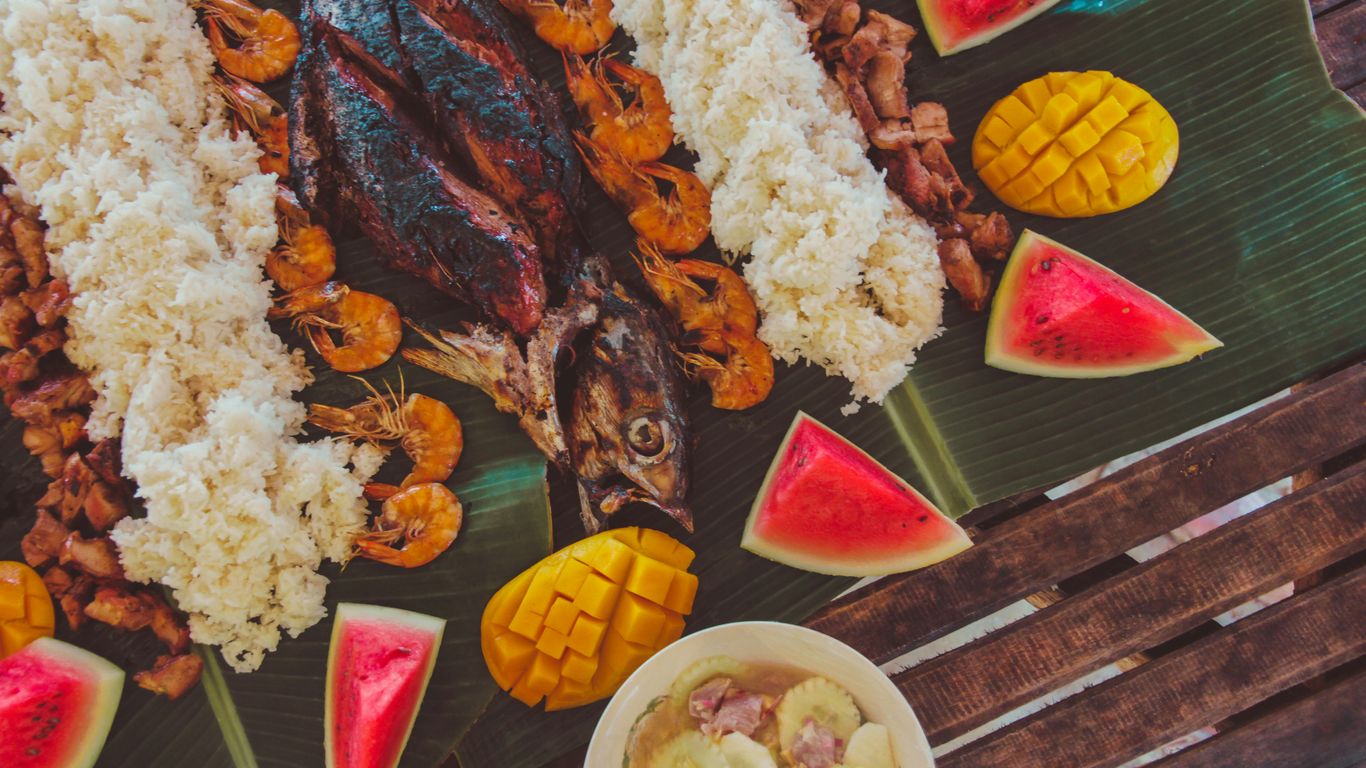
When you’re exploring Joo Chiat and Katong, you’re not just eating; you’re tasting history. This area is famous for its Peranakan food, a unique blend of Chinese and Malay influences that’s been perfected over generations. It’s all about bold flavours and beautiful presentation.
Katong Laksa: A Noodle Dish Like No Other
This is probably the dish most associated with the Katong name. Forget long noodles you need chopsticks for; Katong Laksa uses short, spoon-friendly strands of rice noodle. The real magic, though, is in the broth. It’s a rich, creamy coconut milk base, spiced up with a special blend of ingredients like shrimp paste and chilli. It’s usually topped with things like prawns, cockles, and fish cake. It’s a comforting bowl that’s both spicy and satisfying. If you’re keen to try this local favourite, consider joining a food tour that highlights the best spots.
Nonya Kueh: A Sweet Celebration Of Tradition
Peranakans have a real sweet tooth, and their kueh are proof of that. These aren’t just sweets; they’re little works of art. You’ll see all sorts of colours and shapes. Some popular ones include:
- Kueh Lapis: A steamed cake made of many thin, colourful layers.
- Kueh Salat: A sweet treat with a sticky glutinous rice base topped with a creamy pandan custard.
- Ondeh Ondeh: Small, round balls made from glutinous rice flour, filled with liquid palm sugar, and coated in grated coconut.
These are perfect for an afternoon snack with a cup of tea.
Otak-Otak And Char Kway Teow: Savoury Delights
For something savoury, you can’t go past Otak-Otak. It’s a type of fish cake, usually made with minced fish, coconut milk, and spices, all wrapped up in a banana leaf and grilled. The smoky flavour from the charcoal grill is just fantastic. Then there’s Char Kway Teow, a stir-fried noodle dish that’s a staple in Singapore. Flat rice noodles are cooked with dark soy sauce, prawns, cockles, bean sprouts, and chives. It’s a dish that’s simple but packed with flavour, especially when cooked over a hot wok.
The food here tells a story of migration, adaptation, and the blending of cultures. Each dish is a piece of history, passed down through families and served with pride in the bustling streets and humble eateries of Katong.
Experiencing Katong’s Unique Charm
The Katong Experience: Culture, Community, And Charm
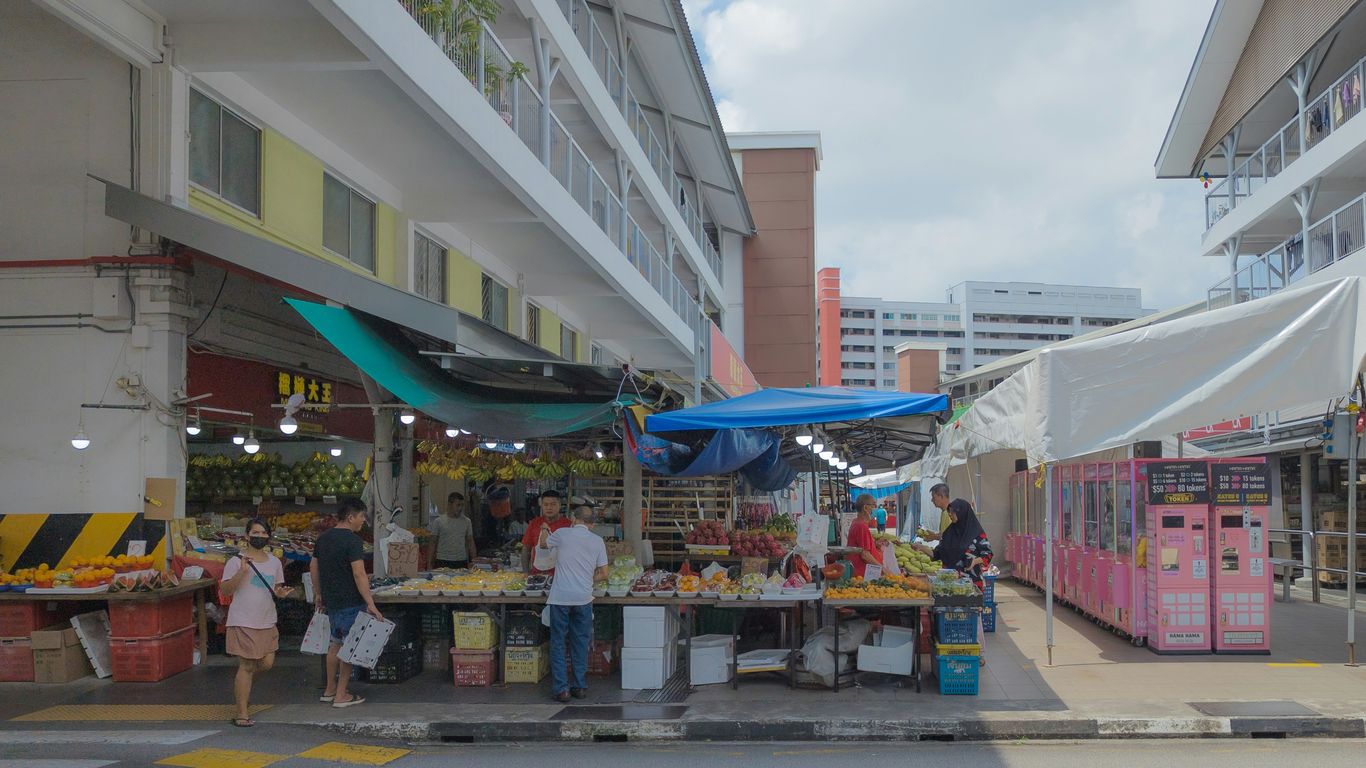
Walking through Katong, you’ll notice a different vibe compared to the city centre. It’s a place where colourful shophouses line the streets and life moves at a more relaxed pace. This area is really the heart of Peranakan culture in Singapore. It’s not just about grabbing a quick bite here; it’s about soaking in the local atmosphere. You’ll see families and friends sharing meals at food stalls, which is a big part of the community feel. People tend to linger, enjoying their coffee or a bowl of noodles without rushing.
The charm of Katong lies in its ability to blend the past with the present. It’s a neighbourhood that invites you to slow down, observe the details, and appreciate the simple pleasures of good food and friendly company.
Here’s what makes the Katong experience special:
- A Sense of Community: Food stalls and eateries often feel like extensions of people’s homes, fostering a warm and welcoming environment.
- Relaxed Pace: Unlike the hustle and bustle of other parts of Singapore, Katong encourages you to take your time and savour the moment.
- Cultural Immersion: It’s a fantastic place to witness Peranakan traditions firsthand, from the architecture to the culinary practices.
A Photographer’s Paradise: Capturing Katong’s Beauty
For anyone with a camera, Katong is a dream. The streets are filled with vibrant, ornate shophouses, each with its own unique character and history. The pastel colours, intricate tiles, and decorative facades make for some really striking photos. It’s a great spot to capture the essence of old Singapore. You can spend hours just wandering around, finding new angles and details to photograph. The way the light hits the buildings, especially in the morning or late afternoon, creates some beautiful scenes. It’s a place where every corner seems to offer a new visual story, from the detailed tile work to the laundry hanging out to dry.
The visual tapestry of Katong, with its blend of architectural styles and daily life, makes it a truly photogenic neighbourhood. It’s a chance to capture more than just buildings; it’s about capturing a feeling and a way of life. If you’re looking for picturesque streets and a glimpse into Singapore’s heritage, Katong is definitely worth exploring. You might even find some inspiration for your next food tour in Singapore right here.
Navigating Your Joo Chiat Food Guide
Tips For Visitors: Navigating Katong Like A Local
Planning a food adventure in Joo Chiat and Katong is exciting, and a little local know-how can make it even better. Embrace the wanderlust; the best discoveries are often off the beaten path. Comfortable shoes are a must, as exploring on foot is the best way to stumble upon hidden gems. Don’t be afraid to peek down side streets – that’s where some of the most authentic flavours are hiding.
When you’re at a busy hawker centre, you’ll notice people leaving packets of tissues on tables. This is how locals ‘chope’ a spot, so feel free to do the same before you head off to order. After you’ve finished your meal, remember to return your tray to the designated area. It’s a small gesture that keeps the eating spaces tidy for everyone.
Best Times To Visit
For a true taste of Katong, aim for the mornings or late afternoons. Many food stalls start their day early, serving up breakfast delights, and some popular spots can sell out by mid-afternoon. The evenings bring a different kind of buzz, especially along Joo Chiat Road, with street vendors offering up delicious snacks.
Getting Around And Etiquette
Joo Chiat and Katong are best explored at a leisurely pace, ideally on foot. This allows you to soak in the atmosphere and easily pop into different eateries. While many places now accept cards, it’s always a good idea to carry some cash, especially for smaller, traditional stalls that might still be cash-only. This is particularly true for those serving classic street food like laksa or otak-otak.
Here’s a quick rundown of what to expect:
- Footwear: Comfortable walking shoes are non-negotiable.
- Cash: Keep some small bills handy for smaller vendors.
- Table Reservation: Use a tissue packet to ‘chope’ your seat at hawker centres.
- Cleanliness: Return your trays after eating.
The rhythm of Joo Chiat is unhurried. It’s a place where you can savour a coffee, chat with stall owners, and truly appreciate the food. Don’t rush; let the neighbourhood guide your appetite.
Ready to explore the tasty treats of Joo Chiat? This guide is your ticket to all the best eats in the neighbourhood. From yummy local dishes to hidden gems, we’ve got you covered. Don’t just dream about delicious food, come and taste it for yourself! Visit our website to start planning your food adventure today.
A Taste of Heritage
So, that’s a wrap on our little food journey through Joo Chiat and Katong. It’s more than just a place to grab a bite; it’s really where you can feel Singapore’s Peranakan heart beating. From the colourful shophouses to the amazing food passed down through families, there’s a real sense of history here. Whether you’re after a steaming bowl of laksa or a sweet treat, this area offers a genuine taste of local culture. It’s definitely worth taking the time to explore, eat your way through, and soak it all in.
Frequently Asked Questions
What exactly is Peranakan food?
Peranakan food, also known as Nonya cuisine, is like a super tasty mix of Chinese and Malay flavours. Imagine Chinese cooking styles meeting yummy spices from Southeast Asia. It’s a special kind of fusion food that’s been around for ages, made with love and unique ingredients.
What’s the most famous dish in Katong?
The absolute star of the show has to be Katong Laksa! It’s a creamy, spicy noodle soup with a coconut milk broth that’s just out of this world. What makes it different is that the noodles are cut short, so you can slurp it all up with just a spoon. It’s seriously delicious.
Are there other must-try foods besides laksa?
Definitely! You’ve got to try Nonya Kueh, which are colourful little sweet cakes that look as good as they taste. Also, don’t miss Otak-Otak, a grilled fish cake wrapped in banana leaf, and Char Kway Teow, a stir-fried noodle dish that’s packed with flavour. There’s so much to explore!
Is it easy to get around Katong?
Yeah, the best way to see Katong is by walking around. Wear comfy shoes and be ready to explore the little streets and hidden spots. That’s where you’ll often find the most amazing food gems. Public transport is also available, but walking lets you soak it all in.
What’s the best time to visit for food?
Mornings and late afternoons are brilliant for hitting up the food stalls and hawker centres. Many places open early for breakfast and some might sell out by the afternoon. Evenings are lively too, especially along Joo Chiat Road, with lots of street food vendors serving up tasty treats.