Singapore’s Chinatown is a place that really grabs you. It’s got this amazing mix of old and new, and honestly, the food scene there is just something else. You can wander through streets packed with history, check out some seriously cool buildings, and then dive headfirst into some of the best food you’ll probably ever taste. It’s not just about seeing things; it’s about experiencing it all, especially the legendary chinatown singapore food.
Key Takeaways
- Chinatown Singapore is a vibrant hub for exploring both Peranakan heritage and incredible street food.
- Hawker centres like Chinatown Complex and Maxwell Food Centre are must-visit spots for authentic local dishes.
- Immerse yourself in Peranakan culture at places like NUS Baba House and learn about the area’s history at the Chinatown Heritage Centre.
- Iconic streets such as Pagoda Street and Keong Saik Road offer a glimpse into the district’s unique architecture and evolving modern scene.
- Don’t miss the chance to shop for souvenirs at the Chinatown Street Market and experience the local life at People’s Park Complex.
Discovering Chinatown Singapore’s Culinary Landscape
Chinatown in Singapore isn’t just a feast for the eyes with its colourful shophouses and bustling streets; it’s a serious treat for your tastebuds too. The food scene here is a vibrant mix of traditional flavours and modern takes, reflecting the area’s rich history. Exploring the hawker centres is really the best way to get a feel for the local food culture. It’s where you’ll find a huge variety of dishes, often at prices that are hard to beat.
Exploring Hawker Centres: A Taste of Local Life
Hawker centres are the heart and soul of Singaporean dining. They’re not just places to grab a quick bite; they’re community hubs where people from all walks of life come together. You can expect a lively atmosphere, the constant sizzle of woks, and the tempting aromas of countless dishes being prepared. It’s a genuine slice of everyday life here.
- Variety is key: From spicy noodles to flavourful rice dishes and sweet desserts, there’s something for everyone.
- Affordability: You can enjoy a delicious, filling meal without spending a fortune.
- Authenticity: These are the dishes that Singaporeans have grown up with, passed down through generations.
Chinatown Complex: A Culinary Epicentre
When you talk about food in Chinatown, the Chinatown Complex Food Centre often comes up first. It’s massive, with hundreds of stalls packed into one place. This is where you can really go deep into Chinese cuisine, trying everything from classic dim sum to hearty soups and stir-fries. It’s a bit overwhelming at first, but that’s part of the fun. You could spend days here and still not try everything. It’s a good spot to start your food adventure, maybe grab a local guide to help you explore Singapore’s rich cultural tapestry.
Maxwell Food Centre: A Historic Food Destination
Maxwell Food Centre has a bit of a reputation for some seriously good food. It’s a popular spot, so expect crowds, especially during peak hours. Many stalls here have been around for ages, perfecting their recipes. You’ll find famous chicken rice, oyster omelettes, and all sorts of local favourites. It’s a great place to sample some of the most well-loved Singaporean dishes in a bustling, energetic setting.
Amoy Street Food Centre: A Vibrant Dining Experience
Amoy Street Food Centre offers a slightly different vibe. It’s known for having a good mix of traditional hawker fare and some stalls that are a bit more modern or cater to specific tastes. It’s a bright, airy space, which makes it a pleasant place to eat. You can find everything from traditional Hokkien mee to healthier options. It’s a good choice if you want to experience the hawker culture but prefer a slightly more contemporary feel.
The sheer density of food stalls in Chinatown is impressive. Each centre, and often each stall within, represents a specific culinary tradition or a family’s long-held recipe. It’s a living museum of flavour, where every meal tells a story of migration, adaptation, and the enduring love for good food.
Peranakan Heritage and Cultural Immersion
Understanding Peranakan Culture at NUS Baba House
Chinatown isn’t just about bustling markets and delicious food; it’s also a place where you can get a real feel for Singapore’s unique Peranakan heritage. The Peranakans, also known as the Straits Chinese, are descendants of early Chinese migrants who settled in the region and intermarried with local Malays. This fusion created a distinct culture with its own language, customs, and of course, food.
To really get a sense of this, a visit to the NUS Baba House is a must. It’s a beautifully restored 19th-century townhouse that gives you a peek into how a wealthy Peranakan family lived. You’ll see all sorts of intricate ceramics, beautiful textiles, and traditional home decor. It’s like stepping back in time, and it really helps you appreciate the blend of Chinese and Malay influences that define Peranakan identity.
Exploring Fuk Tak Chi Temple’s Historical Narratives
Another spot that offers a window into the past is the Fuk Tak Chi Temple. Originally built in the late 18th century, it’s one of Singapore’s oldest temples. It was later converted into a museum, and it does a great job of telling the stories of the early Cantonese and Hakka immigrants who made their way to Singapore. Inside, you’ll find model homes and boats, plus sculptures that bring their journeys and lives to life. It’s a quiet place to reflect on the history of the communities that shaped this area.
The Chinatown Heritage Centre: A Glimpse into the Past
For a more comprehensive look at Chinatown’s history, the Chinatown Heritage Centre is worth checking out. It’s housed in three restored shophouses and aims to show what life was like in the 1950s. They’ve done a good job of recreating the atmosphere of those times, giving you a feel for the daily lives of the people who lived and worked here. It’s a good way to connect with the area’s past before it became the vibrant hub it is today.
Here’s a quick look at what you might discover:
- Daily Life: See recreated living quarters and shops.
- Community Stories: Learn about the challenges and triumphs of early immigrants.
- Cultural Fusion: Understand how different ethnic groups interacted.
Chinatown’s heritage sites offer a tangible connection to the past, illustrating the resilience and adaptability of the communities that settled here. They serve as important reminders of the diverse threads that weave together Singapore’s rich cultural tapestry.
Iconic Streets and Architectural Marvels
Chinatown isn’t just about the food and heritage sites; it’s also about the streets themselves, each with its own character and story. Wandering through these lanes is like taking a walk through Singapore’s past and present.
Pagoda Street: A Lively Pedestrian Lane
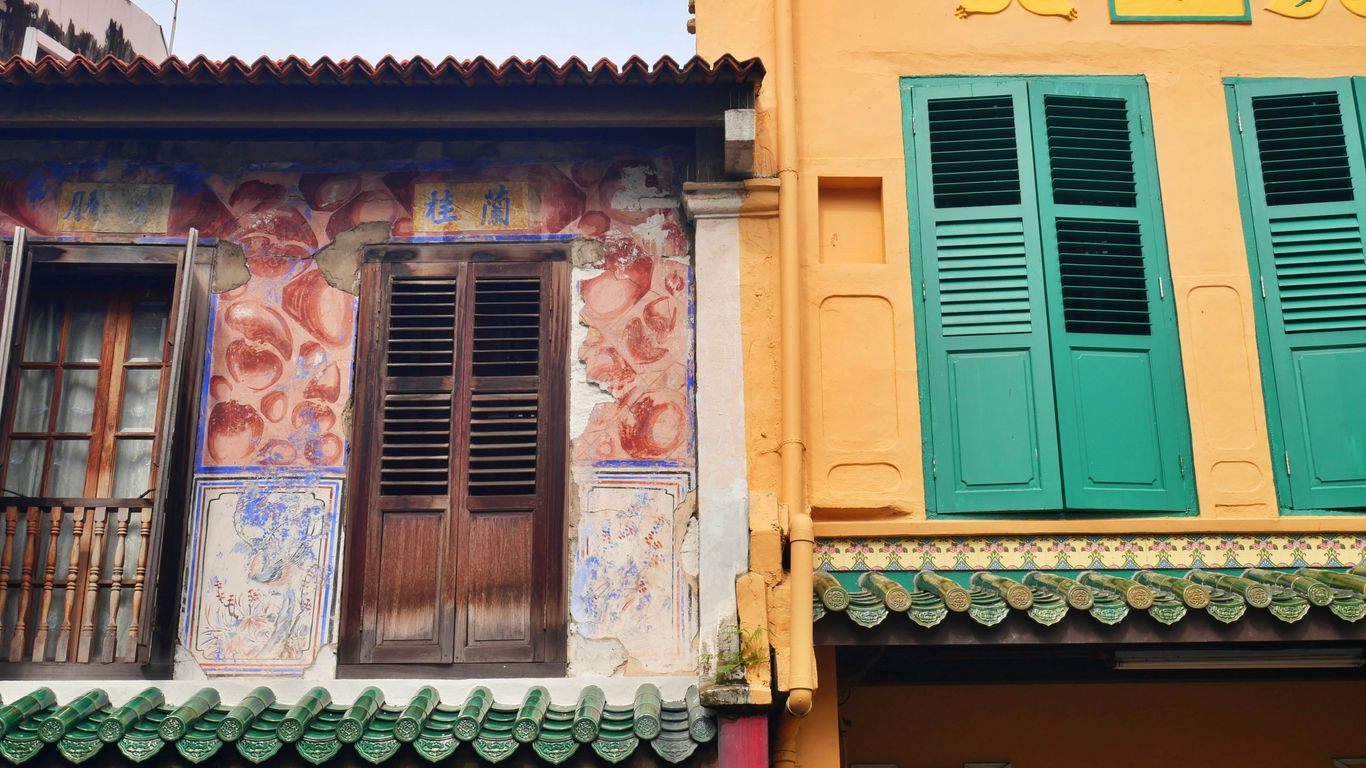
This is probably the most recognisable street in Chinatown, and for good reason. Pagoda Street is a vibrant pedestrian lane that really captures the essence of the district. Lined with colourful shophouses, many of which have been here for ages, it’s a fantastic spot to just soak it all in. You’ll find all sorts of shops selling souvenirs, traditional crafts, and all sorts of trinkets. It’s named after the pagoda of the Sri Mariamman Temple, which you can see from the street. If you climb the stairs at the far end, just past the MRT station escalators, you get a great view looking back down the street, with the modern skyscrapers peeking out behind the historic buildings. It’s a classic Singapore photo opportunity.
Keong Saik Road: Where Heritage Meets Modernity
Keong Saik Road tells a different kind of story. Once known for a less savoury past, it’s now one of the trendiest spots in the area. Here, you’ll see beautifully preserved shophouses with their distinctive balconies sitting right next to modern boutique hotels and cool bars. It’s a real mix of old and new. The street itself is a bit of an archway, leading you through this interesting blend of architecture. It’s a great example of how Singapore revitalises its heritage buildings while keeping them relevant for today. You can find some really photogenic spots here, including a small temple tucked between two of the older buildings.
Admiring Chinatown’s Vibrant Street Art
As you explore, keep an eye out for the amazing street art that’s popped up around Chinatown. It’s like an open-air gallery, with murals that tell stories about the area’s history and culture. Many of these artworks are by local artists, adding a contemporary touch to the historic setting. You might see depictions of traditional festivals, old trades like letter writing, or even scenes from Cantonese opera. These murals aren’t just pretty pictures; they add another layer to understanding the community and its past. It’s a great way to discover hidden corners of Chinatown while appreciating local talent. You can find some of these artworks dotted around Smith Street and its surrounding lanes.
Beyond the Bustle: Tranquil Escapes
While Chinatown is buzzing with activity, sometimes you just need a quiet spot to catch your breath. Luckily, there are a couple of lovely places right in the heart of it all where you can escape the crowds and find a bit of peace.
Ann Siang Hill Park: A Leafy Retreat
If you’re looking for a bit of green, Ann Siang Hill Park is a nice little find. It’s not a huge park, but it’s a pleasant spot to wander for a bit. You’ll find yourself surrounded by dense ferns and trees like breadfruit and tamarind. It’s one of the few places left that still has a 19th-century well, which is pretty interesting. It’s a great place to just sit for a moment and enjoy some shade. You can stroll along Ann Siang Hill Road, which is lined with cool bars and little shops, and then duck into the park for a breather. It feels like a world away from the busy streets just down the road.
Hong Lim Park: A Space for Community and Reflection
Just a stone’s throw from the main Chinatown area, Hong Lim Park offers a different kind of calm. It’s a grassy space that acts as a bit of a buffer between the bustling district and the downtown core. Historically, this park has been a gathering spot for all sorts of community events, from Chinese operas to cricket matches. These days, it’s most famous for being home to Singapore’s Speaker’s Corner. While you might not always see public speaking happening, the park itself is a nice open area to relax in. It’s a good spot to just sit, maybe read a book, or watch the world go by at a slower pace. It’s a reminder that even in a busy city, there are spaces for quiet contemplation and community connection. You can find out more about Singapore’s diverse neighbourhoods and experiences on Taste of Singapore.
These green pockets offer a welcome contrast to the vibrant energy of Chinatown, providing moments of calm and a chance to appreciate the quieter side of urban life. They serve as reminders of the area’s history and its ongoing role as a community hub.
Shopping and Souvenirs in Chinatown
When you’re done exploring the temples and tasting the amazing food, Chinatown offers plenty of opportunities to pick up a memento or two. It’s a great place to find unique gifts that really capture the spirit of Singapore.
Chinatown Street Market: A Treasure Trove of Goods
This is where you’ll find the classic Chinatown shopping experience. Think bustling lanes filled with stalls selling all sorts of things. You can find everything from colourful silk scarves and intricate handicrafts to fragrant incense sticks and decorative fans. It’s a fantastic spot to haggle for a bargain, so don’t be afraid to try your luck. You’ll also find plenty of local snacks and teas here, perfect for bringing a taste of Singapore home. If you’re looking for souvenirs that feel authentically Singaporean, this market is a good place to start your search for local delicacies like Kaya Jam and Bak Kwa.
People’s Park Complex: A Nostalgic Shopping Experience
For a different kind of shopping vibe, head over to People’s Park Complex. This is a much more local spot, a large building that feels a bit like stepping back in time. While it might not have the polished look of modern malls, it’s full of character. You can find shops selling electronics, clothing, and all sorts of everyday items. It’s a great place for people-watching and getting a feel for daily life in the area. You might even find some interesting trinkets or traditional items if you look closely.
- Look for: Traditional Chinese crafts, affordable clothing, and unique household items.
- Best for: Experiencing a more local shopping scene.
- Tip: Carry some cash, as not all vendors may accept cards.
While the street market is great for impulse buys and souvenirs, People’s Park Complex offers a more grounded, everyday shopping experience that’s worth exploring for its authenticity.
Chinatown is a fantastic spot for finding unique gifts and tasty treats. You can wander through bustling markets, discovering everything from cool souvenirs to delicious snacks. It’s a great place to pick up something special to remember your trip or to share with friends back home. Want to find the best deals and hidden gems? Check out our website for all the top shopping tips!
Wrapping Up Your Chinatown Adventure
So, that’s a little taste of what Chinatown Singapore has to offer. From the old-school charm and the stories told through street art to the amazing food you can find everywhere, it’s a place that really sticks with you. Whether you’re here for the history, the culture, or just to eat your way through the hawker centres, Chinatown gives you a real feel for Singapore. It’s definitely worth spending some time just wandering around and seeing what you discover.
Frequently Asked Questions
What’s the best way to get around Chinatown?
Chinatown is pretty flat and easy to walk around, so your own two feet are your best bet! There are also two main MRT (train) stations, Chinatown and Maxwell, which make it super simple to get there from other parts of the city.
What should I wear when visiting temples in Chinatown?
Since you’ll be visiting temples, it’s a good idea to pack clothes that cover your knees, shoulders, and back out of respect. Light, breezy fabrics like cotton or linen are perfect for Singapore’s warm weather. A scarf or shawl can be handy, and slip-on shoes are a good idea for easy removal.
Are there any must-try foods in Chinatown?
Absolutely! You’ve got to check out the hawker centres like Chinatown Complex and Maxwell Food Centre. They’re packed with amazing local dishes. Don’t miss out on trying things like chili crab, unagi (freshwater eel), or some delicious char kway teow.
What is Peranakan culture?
Peranakan culture comes from the descendants of early Chinese migrants who settled in Singapore and other parts of Southeast Asia. They mixed their Chinese traditions with local Malay customs, creating a unique culture with its own language, food, and style.
Where can I find unique souvenirs in Chinatown?
Chinatown Street Market is the place to go for all sorts of goodies, from woven bags and incense to colourful fans. If you’re after something a bit different, People’s Park Complex has a more nostalgic vibe with shops selling all sorts of items.
Is Chinatown a good place to see street art?
You bet! Chinatown has turned into a fantastic outdoor art gallery with lots of colourful murals. Many of them show off ancestral heritage and are painted by a local artist named Yip Yew Chong. Keep an eye out for pieces like the ‘Lantern Festival’ or ‘The Letter Writer’.