Fancy a trip to Little India in Singapore? It’s a place that really hits all your senses, especially when it comes to food. You’ve got the smells of spices everywhere, bright colours, and sounds that just pull you in. It’s not just about eating; it’s a whole experience that tells you about the Indian culture right here in Singapore. We’re going to look at some of the best food spots, from busy markets to old-school restaurants, and even some sweet treats you won’t want to miss. Get ready for a real taste adventure.
Key Takeaways
- Little India in Singapore is a must-visit for food lovers, offering a vibrant mix of authentic Indian flavours and cultural experiences.
- Tekka Centre is a central hub for foodies, featuring a bustling market and hawker centre with a wide range of Indian, Malay, and Chinese dishes.
- Don’t miss classic South Indian dishes like flaky Roti Prata, savoury Murtabak, and crispy Thosai, often served with flavourful curries.
- Explore traditional sweet shops for Indian desserts like Gulab Jamun and Jalebi, alongside modern cafes offering unique Indian-inspired drinks and treats.
- Iconic eateries like Komala Vilas (vegetarian), Ananda Bhavan (traditional vegetarian), and Muthu’s Curry (famous Fish Head Curry) offer a taste of Little India’s culinary history.
Exploring The Culinary Heart Of Little India Singapore
A Sensory Journey Through Serangoon Road
Stepping onto Serangoon Road is like walking into a different world. The air itself feels thicker, carrying a mix of scents – sweet jasmine garlands, fragrant incense, and the unmistakable, complex aroma of toasted spices. It’s a place that hits all your senses at once, a real explosion of sights, sounds, and smells. This isn’t just a street; it’s the vibrant core of Little India, a living testament to Singapore’s rich Indian heritage. Here, food is more than just eating; it’s a celebration, a way of life. You can practically taste the history in the air, from the deep flavours of South Indian curries to the crispness of fresh ingredients. It’s a place where every corner seems to offer a new discovery, a new flavour waiting to be experienced. For anyone looking to truly understand Singapore’s food scene, this is where you start. It’s a place that truly captivates you from the moment you arrive.
Authentic Flavours And Cultural Heritage
Little India’s origins go back to the early 1800s, when it became a settlement for Indian workers. As more immigrants arrived, they brought their traditions, their crafts, and most importantly, their cooking. Over time, this area grew into a distinct cultural district, holding onto its Indian essence even as Singapore modernised. The buildings themselves tell a story, a mix of old shophouses and places of worship that speak of the community’s history. Food is central to this identity. Festivals like Deepavali and Pongal transform the streets into a riot of colour and flavour, showing how deeply traditions are woven into daily life here. It’s a place where recipes are passed down through generations, each dish carrying a story of its origin. Experiencing Little India is about connecting with a culture where food, community, and hospitality are all intertwined.
Why Little India Is A Singapore Foodie Paradise
This neighbourhood is a genuine treasure trove for anyone who loves food. It offers a really authentic look into the diverse cuisines of the Indian subcontinent. You’ll find everything from spicy curries and freshly made breads to delightful sweets. The famous Tekka Centre is a must-visit, housing a bustling market and a large hawker centre. Here, the air is thick with spices, and you can sample a huge range of Indian, Malay, and Chinese dishes. It’s the perfect spot to try affordable and tasty meals. Beyond the hawker stalls, Little India is also home to many traditional sweet shops, known as ‘mithai’ shops. These places are filled with colourful desserts made from milk, sugar, and nuts, like the syrupy gulab jamun or crispy jalebi. For those looking for something a bit different, modern cafes are also popping up, blending local flavours with Indian spices, offering things like masala chai lattes. It’s a place that truly satisfies every kind of craving.
Little India offers a vibrant and diverse culinary experience that makes it a standout destination for food lovers in Singapore.
Must-Try Dishes And Hawker Centre Delights
Little India in Singapore is a real treat for anyone who loves food. It’s not just about fancy restaurants; the heart of the flavour is often found in the bustling hawker centres and street-side stalls. These places are where you can get a true taste of authentic Indian cooking, often at prices that won’t break the bank. The sheer variety of dishes available is astounding, reflecting the diverse culinary heritage of the region.
The Iconic Tekka Centre Experience
Tekka Centre is pretty much the epicentre of food in Little India. It’s a huge complex with a market downstairs and a massive hawker centre up top. The air here is always thick with the smell of spices, and you can find everything from North Indian curries to Malay dishes and Chinese favourites. It’s a great spot to start your food journey.
Some of the top picks you’ll find here include:
- Vadai: These savoury lentil doughnuts are a popular snack, often served with a side of coconut chutney.
- Samosas: Crispy pastries filled with spiced potatoes and peas, a classic anytime snack.
- Chaat: A whole category of savoury snacks, like bhel puri (puffed rice with vegetables and tamarind sauce) or pani puri (crispy shells filled with spicy water and potatoes).
If you’re looking to get the most out of places like Tekka Centre, a guided tour can be really helpful. They can show you the ropes and point out the best stalls, saving you from feeling overwhelmed by all the choices. It’s a good way to discover both well-known dishes and some local secrets. Explore hawker centres with a guide
Roti Prata And Murtabak: Flaky Flatbreads
You can’t really visit Little India without trying roti prata. It’s a flatbread that’s stretched and flipped until it’s wonderfully flaky and a bit buttery. You can have it plain, called ‘kosong’, and dip it into a tasty fish or mutton curry. Or, if you fancy something a bit more filling, try a ‘roti telur’ which has egg cooked inside.
Murtabak is similar but usually a bit thicker and often stuffed with minced meat, like mutton or chicken, along with onions and spices. It’s a hearty and satisfying meal, perfect for sharing or for when you’re really hungry.
Thosai: The Crispy South Indian Crepe
Thosai, also known as dosa, is another South Indian staple that’s a must-try. It’s a thin, crispy crepe made from fermented rice and lentil batter. The plain version is great, but you can also get it filled with spiced potatoes (masala thosai) or other ingredients. It’s usually served with sambar, a lentil and vegetable stew, and various chutneys for dipping.
The beauty of these dishes lies in their simplicity and the quality of the ingredients. Freshly made dough, fragrant spices, and a bit of skillful cooking turn simple ingredients into something truly special. It’s this dedication to craft that you can taste in every bite.
For a truly authentic experience, keep an eye out for stalls with long queues – it’s usually a good sign that the food is fresh and delicious. Many of these hawker stalls have been around for years, passed down through families, so you’re tasting recipes with a long history. You might even find some of these favourites mentioned in lists of must-try hawker stalls.
Sweet Treats And Traditional Indian Sweets
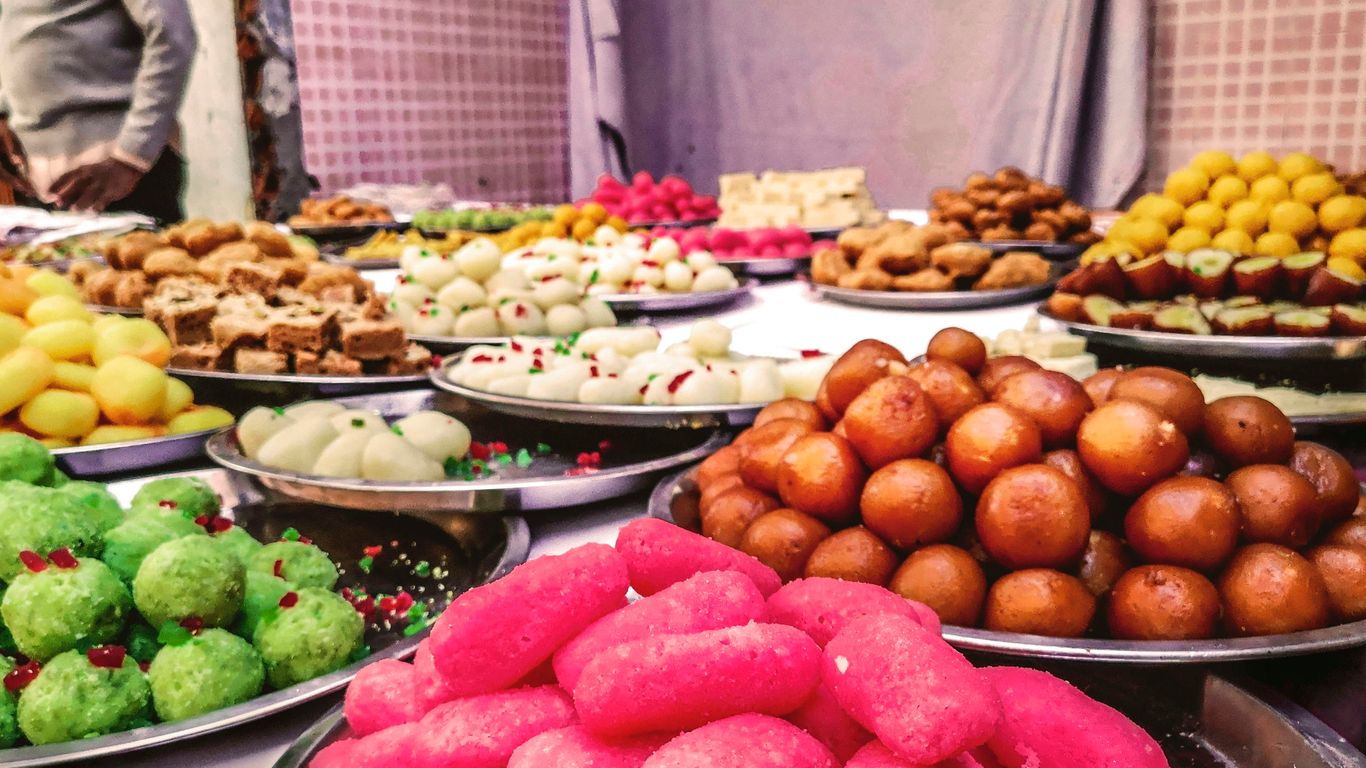
After all that savoury exploration, it’s time to satisfy your sweet tooth. Little India is absolutely brimming with traditional Indian sweets, often called ‘mithai’. These aren’t just desserts; they’re a vibrant part of Indian culture, often prepared for festivals and celebrations. You’ll find shops piled high with colourful, tempting treats made from milk, sugar, flour, and nuts. The sheer variety is astounding, offering a delightful end to any meal or a perfect pick-me-up.
Discovering Mithai Shops
Mithai shops are a feast for the eyes as much as the palate. Expect to see glistening mounds of gulab jamun (deep-fried milk balls soaked in syrup), bright orange jalebis (crispy, syrupy spirals), and creamy barfi (dense milk-based fudge). Many shops also offer savoury snacks, but it’s the sweets that truly steal the show. It’s a good idea to try a few different things to get a real feel for the range of flavours and textures available. Some places even offer regional specialities, so don’t be afraid to ask for recommendations.
Moghul Sweet Shop’s Delectable Offerings
When you’re in the mood for classic Indian sweets, Moghul Sweet Shop is a name that comes up often. They have trays and trays of colourful goodies. You can’t go wrong with their gulab jamun, which are soft and melt in your mouth, or their jalebi, which are perfectly crispy and drenched in sweet syrup. They also do a fantastic range of barfi and ladoos. It’s a great spot to pick up a box of assorted sweets to share, or just to treat yourself.
Little India Arcade’s Sweet Sensations
Another fantastic place to hunt for sweets is the Little India Arcade. Tucked away in some of the older shophouse buildings, this spot is a treasure trove. You’ll find several vendors here selling all sorts of traditional Indian sweets. It’s a more compact experience than wandering down Serangoon Road, but no less rewarding. Look out for shops selling freshly made jalebis and ladoos – they’re often made right in front of you. It’s a wonderful place to experience the authentic heart of the city through its food.
Here are some popular mithai you might encounter:
- Gulab Jamun: Soft, spongy milk-based balls fried and soaked in sugar syrup.
- Jalebi: Crispy, deep-fried spirals soaked in syrup, often with a hint of cardamom.
- Barfi: Dense, fudge-like sweets made from milk solids, sugar, and flavourings like nuts or rosewater.
- Ladoo: Round, ball-shaped sweets made from flour, ghee, and sugar, often with added nuts or coconut.
Trying these traditional sweets is a key part of the Little India experience. They offer a different perspective on Indian cuisine, moving away from the curries and into a world of delicate flavours and satisfying textures. Don’t be shy about sampling; it’s all part of the adventure.
Iconic Eateries And Culinary Institutions
Komala Vilas: A Vegetarian Institution
Komala Vilas has been a fixture in Little India since 1947, serving up authentic South Indian vegetarian fare. It’s the kind of place that feels like it’s been there forever, in the best possible way. The food is honest, flavourful, and consistently good, making it a go-to for many locals and visitors alike. They’re particularly known for their extensive range of dosas and thalis, offering a real taste of traditional home-style cooking.
Ananda Bhavan: A Taste Of Tradition
Established way back in 1924, Ananda Bhavan is one of Singapore’s oldest vegetarian Indian restaurants. Walking in feels a bit like stepping back in time, with a simple, unpretentious vibe that lets the food do all the talking. They serve up all the South Indian classics you’d expect – think fluffy idlis, crispy vadas, and of course, a variety of dosas. It’s a great spot for a hearty breakfast or a satisfying meal any time of day. They also do a pretty decent thali, which is a fantastic way to sample a bit of everything.
Muthu’s Curry: Famous Fish Head Curry
When you talk about iconic dishes in Little India, Muthu’s Curry is almost always mentioned, especially for its legendary fish head curry. It’s a richer, perhaps slightly more upscale experience compared to some of the hawker stalls, but worth it for the quality and flavour. The fish head curry itself is a complex, aromatic dish, and it’s best enjoyed with a side of steamed rice or naan to soak up all that delicious gravy. Beyond their famous curry, they also offer a good selection of North and South Indian dishes, so there’s plenty to choose from if you’re dining with a group.
The role of food in Little India extends beyond just eating; it’s deeply tied to community, tradition, and celebration. Every dish has a story, and every flavour connects you to the vibrant Indian culture that flourishes here. It’s a place where culinary experiences offer a genuine link to heritage.
Navigating Your Little India Food Adventure
Best Times to Visit for Foodies
Little India is buzzing with activity throughout the day, but there are specific times that really shine for food lovers. Mornings are fantastic for seeing the markets and hawker centres gear up, with fresh produce arriving and the first dishes being prepared. It’s a great time to grab a traditional breakfast. As the day progresses, the aromas intensify. Evenings, particularly on weekends, bring a lively, festive vibe. The streets fill with people, and the air is thick with the scent of spices from countless food stalls. Just a heads-up, some smaller eateries might close for a break between lunch and dinner, so it’s worth checking if you have a specific spot in mind. Planning your visit around these peak times can really make a difference to your experience.
Getting Around Little India
Reaching Little India is pretty straightforward. The most convenient way is by public transport. The Little India MRT station, served by the North-East and Downtown lines, puts you right in the heart of the action. Alternatively, the Farrer Park MRT station on the North-East line is also a short walk away. Once you’re there, the best way to explore is on foot. Wander through the streets, let your senses guide you, and don’t be afraid to pop into any place that catches your eye. You’ll find a fantastic array of food stalls and restaurants scattered throughout the neighbourhood. For a broader look at Singapore’s food scene, including other popular spots, you might find this guide to hawker stalls helpful.
Local Etiquette and Tips
When you visit Little India, be ready for a lively, sometimes bustling environment. The smells of spices, curries, and freshly made breads are everywhere, which is all part of the charm. It’s a place where food is deeply connected to culture and community.
Here are a few pointers to help you make the most of your trip:
- Be Open to New Flavours: Don’t shy away from trying dishes you haven’t encountered before. The variety is immense.
- Observe and Learn: Watch how locals order and eat; it can give you insights into the best ways to enjoy certain dishes.
- Stay Hydrated: Especially if you’re trying spicier options, having water or a refreshing drink on hand is a good idea.
- Respect the Space: While it’s a busy area, be mindful of others and the local customs.
Little India offers more than just a meal; it’s an immersive cultural experience. The food here tells stories of heritage and tradition, making every bite a connection to the community. Embrace the vibrant atmosphere and let the intoxicating aromas lead your culinary journey.
Beyond The Curries: Diverse Flavours
While Little India is rightly famous for its curries, the culinary landscape here is much broader than just rich, spiced gravies. You’ll find a whole spectrum of tastes, from the hearty dishes of North India to the grilled delights often found in Malay cuisine, and even modern cafes putting an Indian spin on familiar treats. It’s a place where tradition meets innovation, offering something for every palate.
North Indian Influences
Beyond the South Indian staples, Little India also offers a taste of North India. Think of dishes like butter chicken, tandoori meats, and various breads like naan and roti. These dishes often feature creamier sauces and a different blend of spices compared to their southern counterparts. Many restaurants showcase these regional differences, allowing you to explore the vastness of Indian cooking.
- Tandoori Specialties: Meats and vegetables marinated in yogurt and spices, then cooked in a clay oven.
- Rich Curries: Cream-based curries like Korma and Butter Chicken.
- Breads: A variety of flatbreads, from fluffy naan to flaky paratha.
Malay Dishes and Satay
It’s not all Indian food, though. Due to Singapore’s multicultural makeup, you’ll also find influences from Malay cuisine. This often means grilled meats and different spice profiles. Keep an eye out for stalls offering satay, which are skewers of marinated meat grilled over charcoal and served with a peanut sauce. It’s a popular snack that adds another layer to the food scene here.
Modern Cafes with Indian Twists
Little India isn’t just about old-school eateries. A new wave of cafes has popped up, blending the traditional flavours of India with contemporary cafe culture. You might find a masala chai latte on the menu, or perhaps desserts infused with cardamom and rosewater. These spots offer a relaxed atmosphere to enjoy a different kind of Indian-inspired treat. For a unique dessert experience, try places that offer innovative takes on traditional sweets, like caramelised bananas with date ice cream.
The food scene in Little India is a vibrant mix, reflecting the diverse cultural tapestry of Singapore. It’s a place where you can easily spend days exploring different flavours, from the most traditional dishes to modern interpretations. Don’t be afraid to try something new; you might just discover your next favourite meal.
Singaporean food is more than just the usual curries you might think of. We’ve got a whole world of amazing tastes waiting to be discovered, from spicy noodles to sweet treats. Come explore the real flavours of Singapore with us! Check out our website to see all the delicious options we offer.
A Taste of Little India to Remember
So, that’s a wrap on our little food journey through Little India. It’s more than just a place to grab a bite, really. It’s a whole experience, from the smells hitting you the moment you step onto the street to the sheer variety of dishes you can try. Whether you’re after something super spicy, a bit sweet, or just a good, honest meal, this neighbourhood has you covered. It’s definitely a spot that sticks with you, long after you’ve finished your last bite. If you’re in Singapore and looking for some seriously good food that tells a story, you really can’t go wrong with a visit here. Just come hungry, and be ready to explore.
Frequently Asked Questions
What’s the best way to get around Little India for food?
Little India is super easy to get to. Just hop on the MRT and get off at Little India station. Once you’re there, walking is the best way to discover all the yummy food spots and soak up the atmosphere. You’ll smell and see so much goodness!
When should I visit Little India to eat?
Mornings are great for seeing the markets wake up and grabbing a fresh breakfast. Evenings are really buzzing, especially on weekends, with food stalls everywhere. Just be aware that some places might close for a bit in the afternoon between lunch and dinner.
What are some must-try dishes in Little India?
You absolutely have to try Roti Prata, which is like a flaky, buttery pancake, and Murtabak, its bigger, meat-filled version. Also, don’t miss Thosai, a crispy South Indian crepe, and the famous Fish Head Curry – it’s a Singaporean classic with Indian roots!
Are there good vegetarian options in Little India?
Definitely! Little India is famous for its amazing vegetarian food. Places like Komala Vilas have been serving delicious veggie meals for ages, often on banana leaves. You’ll find heaps of tasty curries, dosas, and sweets.
Where can I find traditional Indian sweets?
Look out for ‘mithai’ shops! Places like Moghul Sweet Shop and the stalls in Little India Arcade are packed with colourful, sweet treats. You’ve got to try things like Gulab Jamun (syrupy milk balls) and Jalebi (crispy, syrupy spirals).
What’s the vibe like in Little India’s food places?
It’s a real sensory feast! Expect lots of noise, amazing smells of spices, and vibrant colours. It can get busy, but that’s part of the fun. Be ready for a lively, energetic experience where food is a big part of the culture.