Key Takeaways
Potato Head Singapore transformed a historic shophouse into a multi-level culinary destination that defined the Keong Saik neighbourhood for years.
- The venue spanned four distinct floors, moving from vibrant burger joints to a chic cocktail lounge.
- Culinary offerings were anchored by the Three Buns concept, famous for its premium craft burgers.
- The rooftop bar space provided one of the most unique alfresco experiences in the Chinatown area.
- Each level of the building offered a different aesthetic, blending heritage architecture with modern, eclectic art.
- The location served as a central hub for social gatherings, blending professional dining with approachable evening vibes.
The concept and legacy of Potato Head Singapore
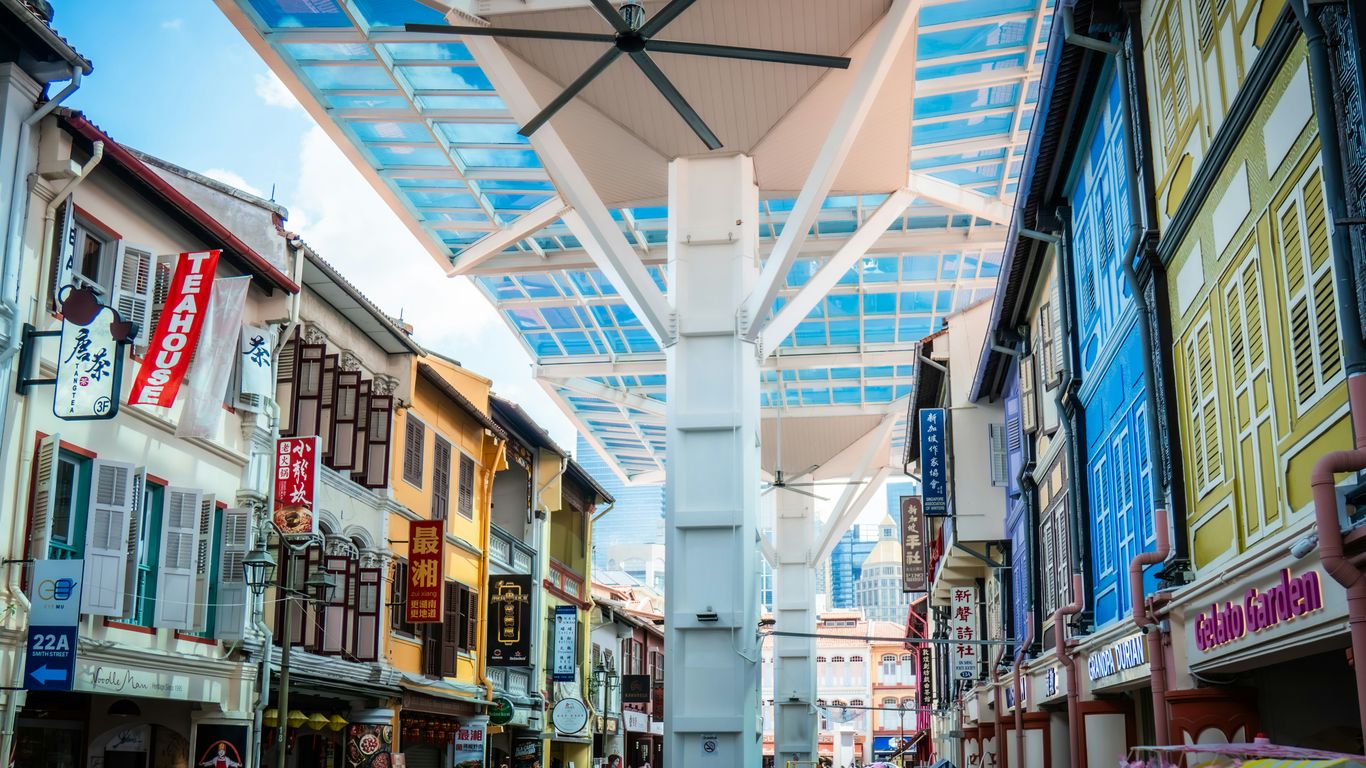
The venue made a lasting impression by turning a heritage red-and-white shophouse into a multi-layered destination. It felt like walking through a private, creative house where every floor offered a different mood, from the busy ground floor kitchen to the rooftop garden bar above. The Potato Head Singapore project served as a central gathering point for the city’s creative communities for over a decade.
The heritage building on Keong Saik Road
Located at 36 Keong Saik Road, the site occupies a landmark building that previously housed the beloved Tong Ah Eating House. The architecture retains the charm of traditional shophouses while embracing a bold, tropical, and art-focused interior design. Preserving this structure was essential to maintaining the character of the street, which remains one of the most culturally significant corridors in the city.
Fusion of international food, art, and music
The venue was known for its seamless integration of global influences, ranging from high-fructose, high-quality comfort food to curated playlists that defined the atmosphere. Every floor was designed with specific art installations, light fixtures, and vintage furniture pieces that invited guests to linger. Local residents frequently joined international visitors to enjoy a space where the Taste of Singapore ethos of storytelling and community came to life.
Cultural impact on the Singapore dining scene
The presence of this establishment shifted the energy of the precinct, encouraging more modern establishments to move into the area. It bridged the gap between old-world colonial architecture and the contemporary demands of a modern crowd. Many foodies look back at its tenure as a period where the city began pushing the boundaries of what a casual dining space could provide for its inhabitants.
Iconic food and signature menu items
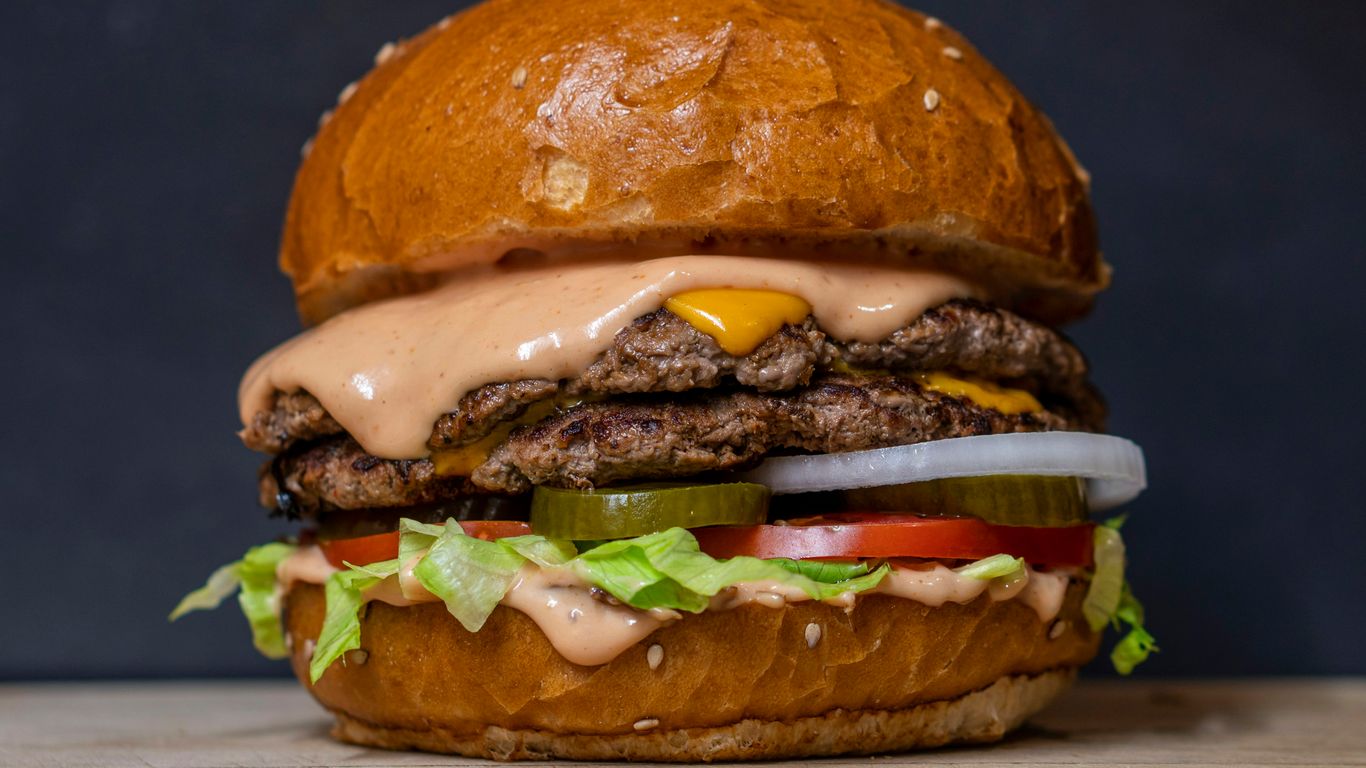
At the core of the experience, the kitchen delivered a consistent, high-quality menu that catered to diners across all levels. The approach focused on simplicity and premium ingredients, creating dishes that felt familiar yet executed with exceptional culinary precision. Whether stopping by for a quick lunch or a late-night feast, the menu reliably provided a satisfying, unpretentious meal.
The craft burger selection
The signature burger selection was widely regarded as some of the best in the region, featuring high-quality beef patties and house-made sauces. Each burger was elevated by toasted buns and perfectly melted cheese, proving that refined ingredients make a massive difference in quality.
- The Baby Huey featured a classic beef patty with spicy mayo.
- The Burning Man added a layer of spicy relish for those seeking heat.
- The Truff Ryder relied on the deep, earthy richness of truffle oil and aioli.
- Experimental seasonal burgers frequently updated the list.
Creative sides and curated small plates
The sides and small plates were designed to pair perfectly with the drinks, offering bold flavors that complemented the heft of the burgers. These items allowed diners to share food across the table, turning a simple meal into a communal event. It is helpful to treat these as foundational components of a Taste of Singapore culinary tour, as they highlight the importance of snacking culture in local nightlife.
Vegetarian and customisable dietary options
Recognizing the diverse needs of modern diners, the menu prominently featured sophisticated vegetarian options, ensuring no guest felt left out. These included plant-based burgers that did not compromise on texture or flavor profiles. By offering these choices, the venue ensured that customisation was standard rather than an afterthought, allowing groups with varied preferences to dine together comfortably.
The rooftop bar experience at Studio 1939
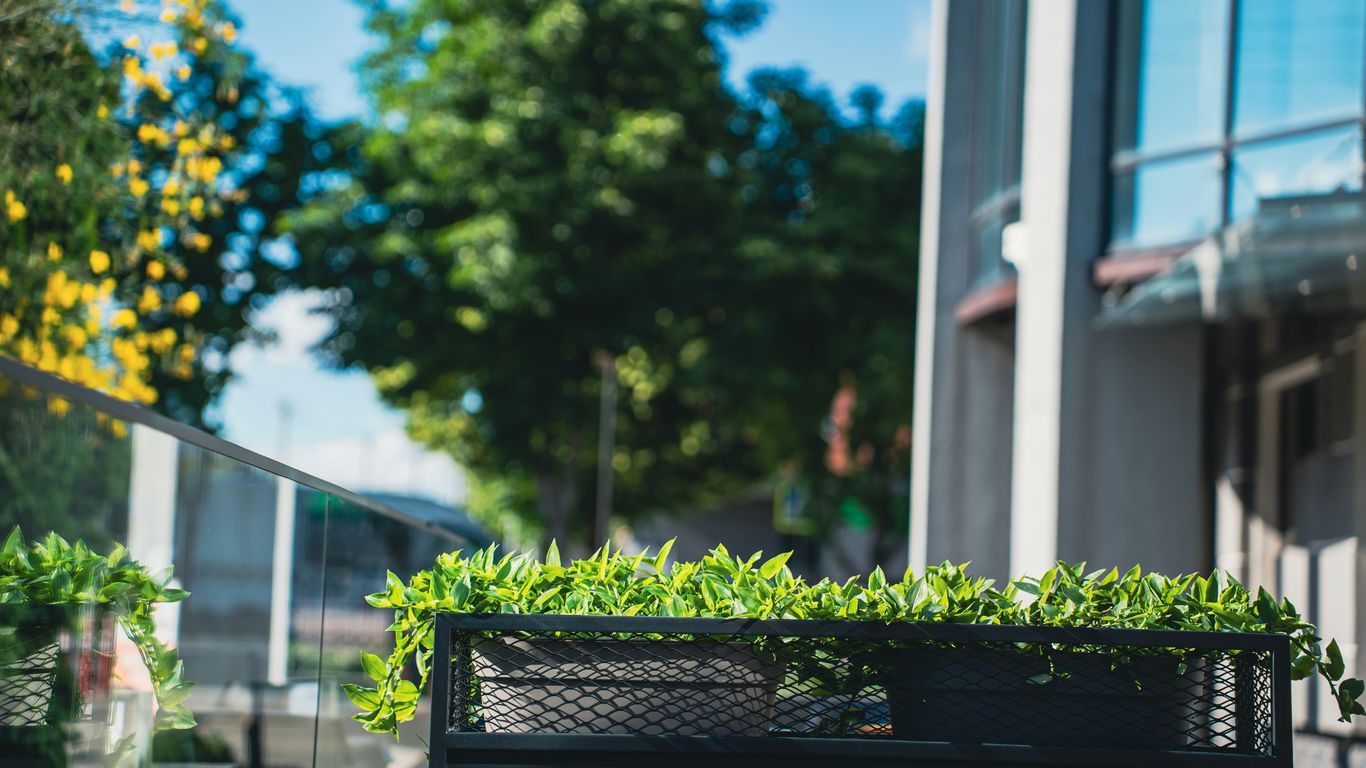
Ascending to the top of the building revealed a lush, open-air garden that felt like a quiet refuge from the humidity of the city. This space, widely known for its rooftop atmosphere and tropical greenery, provided an airy environment perfect for evening lounging. It offered a rare perspective of the shophouse rooftops and the looming city skyline.
Atmosphere and aesthetic design
The rooftop was adorned with fairy lights, exotic plants, and vintage furniture, creating a cozy and slightly whimsical setting. It balanced a stylish, sophisticated look with a laid-back, tropical vibe that encouraged guests to stay for multiple drinks. The design ensured that every corner felt intimate, providing enough space for quiet conversation despite the busy nature of Chinatown below.
Specialized cocktail menu and signature drinks
Bartenders here focused on tiki-inspired recipes and classic cocktails, often experimenting with local fruits and herbs to ground the drinks in the region. The menu was refined but approachable, reflecting the playful spirit of the establishment while showcasing technical skill. The cocktail selection was frequently cited as one of the best reasons to visit the upper levels of the property.
Views of the Chinatown skyline
The vantage point offered a striking visual contrast between the traditional, low-rise architecture of the immediate street and the modern glass-and-steel skyscrapers in the distance. During the golden hour, the setting provided one of the most memorable backdrops in the district, making it an ideal location for capturing the unique visual character of Singapore’s urban expansion.
Best times for an evening visit
Visiting just before sunset is often recommended to capture the transition from daylight to the evening glow of the neighbourhood. As the sun dips, the building transforms with warm lighting, and the sounds of Balearic beats start to drift across the terrace. Evenings during the week are generally more relaxed, allowing for easier access to the best seating spots on the roof.
Interior environment and visitor journey

Moving throughout the building was part of the charm, as each level offered a distinct service style and design language. Navigating these transitions required an awareness of the floor-level differences, as each area managed its own seating capacity and specific service protocols.
Transition between the ground floor and upper levels
The ground floor was designed for high-energy interaction and quick turnover, functioning like a bustling urban kitchen. In contrast, shifting toward the third-floor studio space or the top terrace introduced a more curated, service-led experience. Guests were naturally encouraged to explore the entire house as they moved from dining to relaxing.
Distinctive art installations and retro décor
Internal spaces were layered with carefully selected art and decor that felt personal rather than corporate, contributing to the site’s reputation as a creative nexus. It is similar to exploring modern cafes where every table or wall hanging adds to a piece of a larger story. These visual cues made the environment feel lived-in and welcoming, which is a key part of what makes our Taste of Singapore experiences so popular with visitors.
Booking expectations and floor-level service differences
Understanding how to navigate the service levels proved helpful for returning guests. Most levels operated on a specific reservation basis, particularly during peak times on weekends. The table service was notably faster on the lower floors, while the upper-level bar areas prioritized a relaxed, lingering pace for guests settling into the evening.
Dining in the heart of the Chinatown precinct
Keong Saik Road is one of the most vibrant corridors in the country, serving as a hub for both long-standing cultural institutions and modern ventures. The density of dining options in this small area allows for an intense culinary experience within just a few city blocks.
Iconic restaurants located on Keong Saik Road
Beyond the building itself, the street is home to several high-profile restaurants, making it a natural choice for food tours. Many businesses here have successfully fused high-concept dining with the comfort of historical locations.
| Restaurant Name | Style | Typical Fare |
|---|---|---|
| Burnt Ends | Barbecue | Wood-fire grill |
| Meta | Refined | French-Korean fusion |
| Keong Saik Bakery | Traditional/Modern | Pastries and coffee |
Traditional hawker centres and local markets nearby
For those wanting a more grounded taste of the local heritage, traditional hawker centres are situated within a short walking distance. These centres represent the working-class soul of the local food culture and remain essential for anyone wanting to experience authentic flavours of the city. We often recommend starting with a light hawker meal before transitioning to a more formal sit-down dinner.
Modern fusion establishments within walking distance
The area is saturated with new ventures that continue to redefine the local palate. From Japanese-inspired bistros to contemporary Italian spots, the neighbourhood remains a testing ground for culinary trends. Exploring these streets on foot is the best way to uncover hidden gems that do not always make it into the mainstream travel guides.
Tips for visiting the Keong Saik neighbourhood
Visiting this area requires a bit of planning to ensure the best experience, especially regarding transit and timing. Being centrally located, it is accessible, but the heavy foot traffic in the evenings means being prepared for crowds is wise.
Arriving via public transport and accessibility
The neighbourhood is best reached via the MRT, with Outram Park station or Chinatown station serving as excellent entry points for visitors. Using the transit network is efficient and significantly easier than trying to navigate or park in the dense, narrow street system of the heritage quarter.
Exploring historic alleyways and shophouse architecture
The architecture is best appreciated by wandering the adjacent lanes and side streets. Much of the history resides in the details of the façades, which have often been restored to their original early-twentieth-century aesthetic. We find that guests who turn their assets into memories by photographing the architecture often appreciate the district’s complex history far more.
Recommended times of day for exploring the surrounding area
Late afternoons are generally the best time for discovery, as the city takes on a softer hue, and the evening service at the local eateries begins to ramp up. It allows visitors to enjoy the streets before the peak dinner rush begins, giving them a better chance to appreciate the storefronts and the general rhythm of life in this part of town.
Conclusion
The legacy of this multi-concept destination continues to influence how locals and travelers perceive the intersection of heritage architecture and contemporary dining in Singapore. By combining thoughtful interior aesthetics with reliable, high-quality food, it created a space that encouraged community connection and creative expression during its prominent run. Those who enjoyed the unique atmosphere of the house will remember it as a key pillar in the transformation of Keong Saik Road into a premier destination for food lovers.
Frequently Asked Questions
What is the typical dress code for dining in Chinatown?
Most restaurants in the area follow a smart-casual dress code, though casual wear is usually acceptable during the day. It is always best to check specific venue requirements for rooftop bars or upscale dining locations.
How does one navigate the diverse food options in Singapore?
Navigating the food scene is best managed by balancing meals at heritage hawker centres with visits to contemporary restaurants. Many visitors find that local guides are helpful for understanding which dishes are specific to the various cultural pockets of the island.
Is the Chinatown area walking friendly?
Yes, the area is highly walkable, although it can get quite warm during the peak sunshine hours. It is recommended to wear comfortable shoes and plan routes that take advantage of shaded walkways and indoor stops.
What time do most restaurants in Keong Saik start service?
Most formal restaurants in the district begin dinner service between 5:00 PM and 6:00 PM. Lunch service usually runs from 11:30 AM until 2:30 PM, but operating hours can vary between establishments.
Are reservations usually required for popular spots?
It is highly recommended to book tables in advance for well-known restaurants or rooftop bars, particularly on weekends. Popular venues often fill up quickly, and having a reservation ensures a smoother experience.
What are some must-try local dishes when visiting?
Local favorites include Hainanese chicken rice, satay, laksa, and chili crab. Exploring different hawker centres will provide the best variety for tasting these iconic dishes in their traditional forms.
How is the best way to get to Keong Saik Road?
The most efficient way to access this vibrant district is by utilizing the extensive MRT system. Stations like Outram Park and Chinatown provide quick access to the main streets, reducing the stress of finding parking in a busy heritage area.
Ready to dive deeper into the city’s culinary history? Book now with Taste of Singapore and explore our curated selection of heritage food tours.