
Key Takeaways
- Mee goreng mamak is a distinct Indian-Muslim style of stir-fried noodles found throughout Singapore.
- Key identifiers include the use of yellow alkaline noodles, tomato-based sauces, and protein additions like potatoes.
- The dish represents a unique fusion of South Indian culinary techniques and local Singaporean ingredients.
- Achieving the perfect plate relies on high-heat wok frying to produce the desirable smoky aroma known as wok hei.
- You can experience these authentic culinary stories and more by joining a guided session with Taste of Singapore.
What is mee goreng mamak?
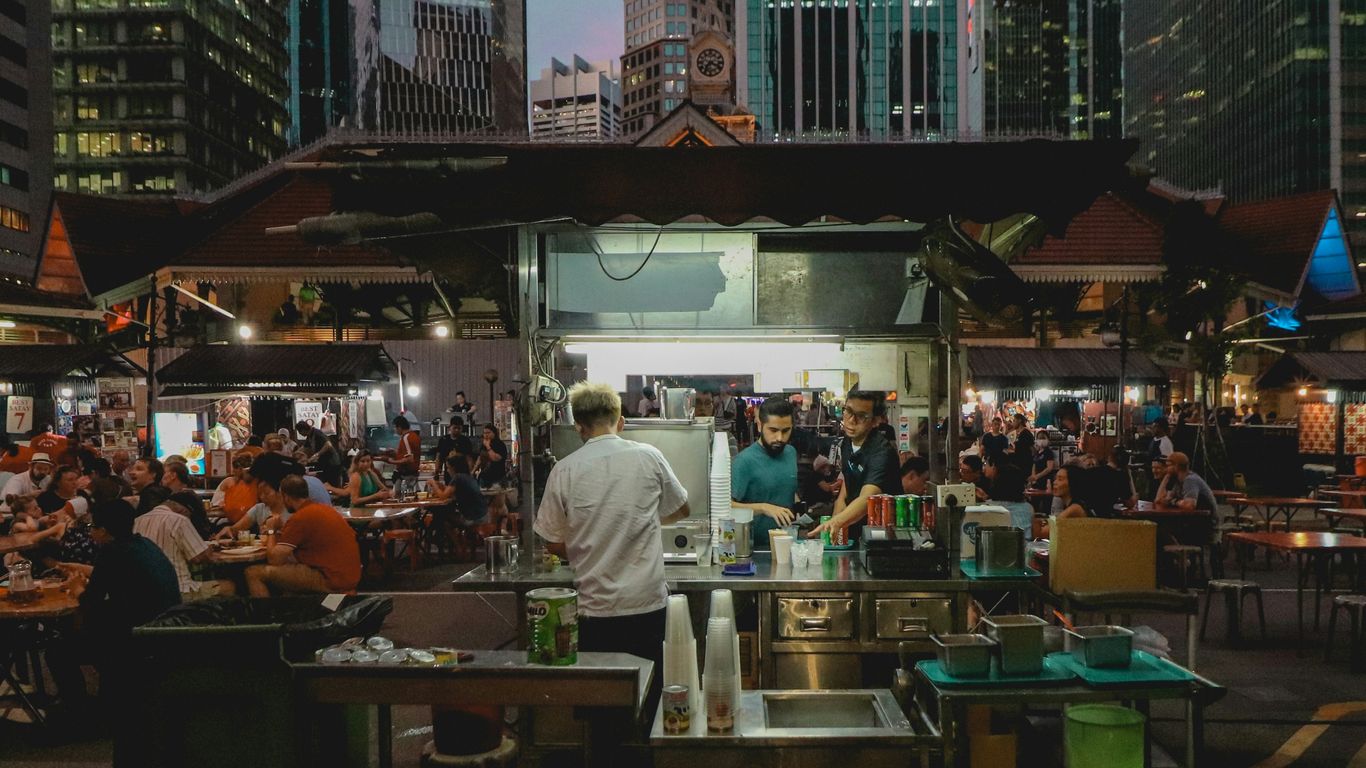
Understanding genuine local food often requires looking into the history of the communities that shaped it. Mee goreng mamak remains a quintessential comfort dish for many, serving as a pillar of the vibrant hawker scene. This iconic mee goreng mamak singapore staple is a masterclass in cultural adaptation and depth of flavour.
Defining the Indian-Muslim influence
At its heart, this dish traces its lineage to the Tamil Muslim community who settled in the region. The term "mamak" reflects this heritage, serving as a respectful term for these stall owners. Their culinary approach brings a specific spice palette that stands apart from other regional noodle dishes.
Distinguishing the dish from Chinese-style fried noodles
While fried noodles appear across all cultures in the city, the mamak variant is uniquely hearty. Unlike lighter, soy-forward Chinese preparations, this version is famously tangy and rich. It incorporates bold, savoury elements that create a darker, more robust profile.
The role of the mamak stall culture in Singapore
These hawker stalls act as social hubs, especially during late-night hours. They offer more than just a meal; they provide a space for connection and community. If you wish to learn more about this heritage, Taste of Singapore offers deep insights into these cultural culinary spaces.
The unique flavour profile of the dish
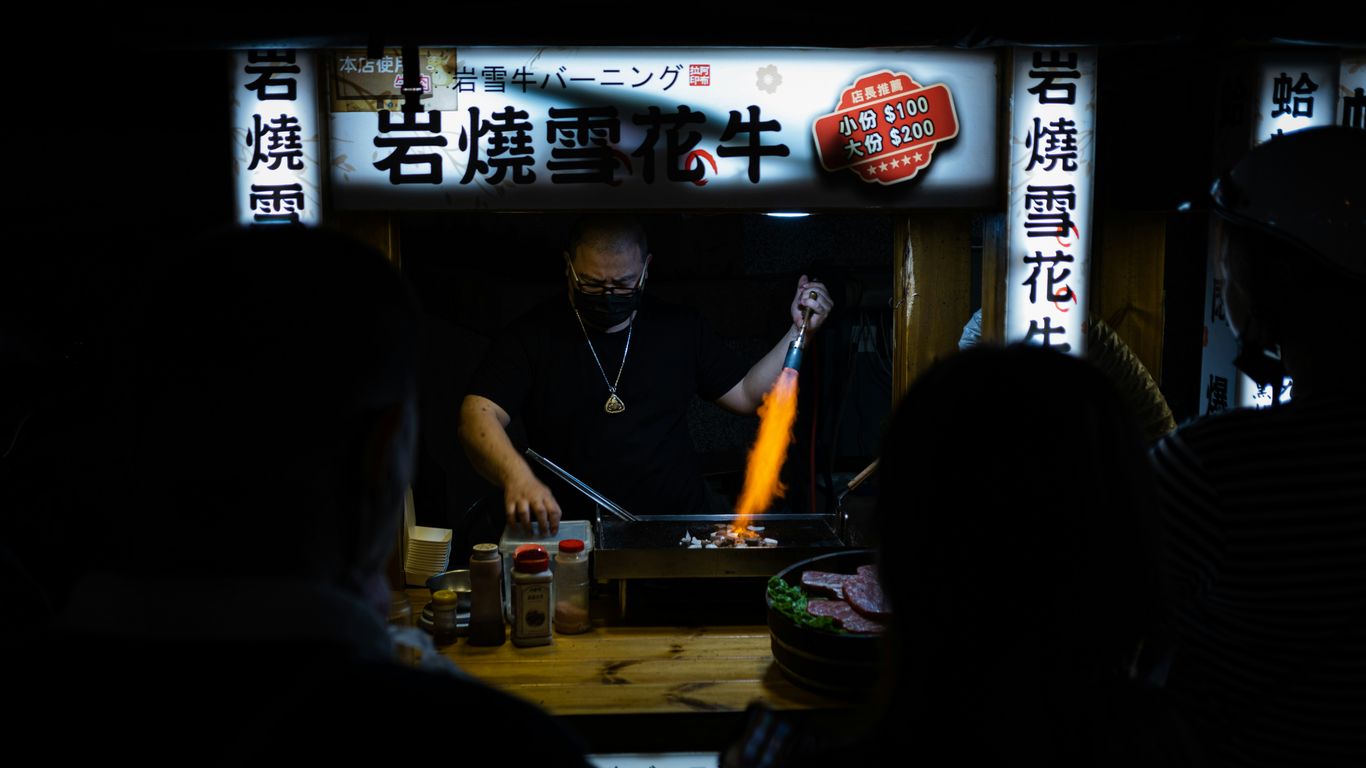
The flavour of a great plate of mee goreng relies on a careful balancing act. Chefs aim for a profile that hits several distinct notes simultaneously, creating a complex and satisfying flavour journey that lingers on the palate. A well-constructed dish is never one-dimensional, as the interplay of heat and acidity is paramount.
Balancing sweet, spicy, and tangy notes
Every mouthful offers a collision of sambal heat with the sweetness of dark soy sauce. This vibrancy is what draws locals back to their favourite stalls time and again. It is a dish that changes with every bite, revealing hints of spice and citrus.
The impact of tomato-based sauces
Including a tomato-based element is perhaps the most notable quirk of this style. It provides an unexpected tang that cuts through the oiliness of the stir-fry. This addition softens the heavy spices, making the noodles incredibly moreish.
Achieving the essential smoky aroma of wok hei
Mastery of the stove is non-negotiable here. The high-heat process ensures the sauce caramelises beautifully against the noodles. This technique produces an unmistakable complexity that you can explore further with a Taste of Singapore culinary experience.
Key ingredients that define the style
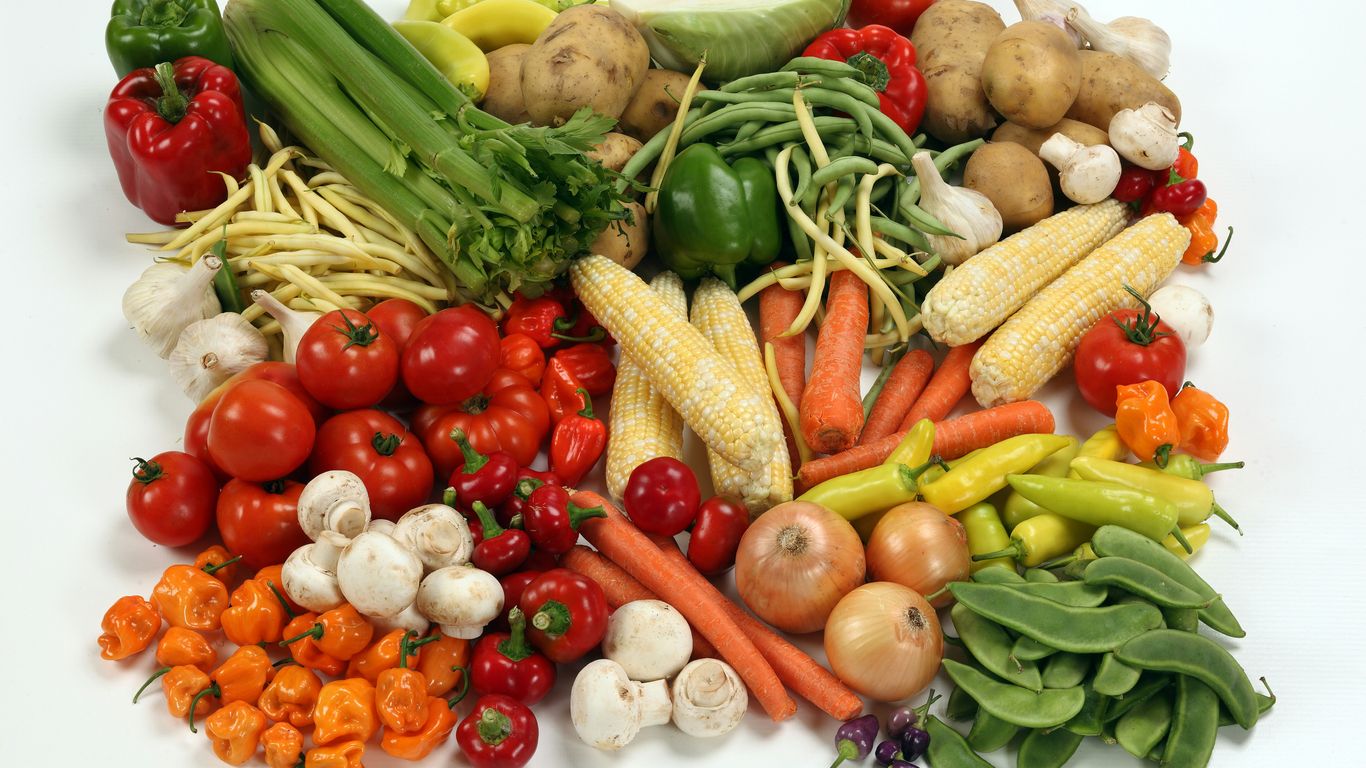
An authentic plate requires specific building blocks to achieve its legendary status. Everything from the noodle choice to the final garnish is intentional, ensuring a cohesive result that feels familiar yet exciting. The following ingredients are essential components found in nearly every high-quality rendition of the dish.
Selecting the right yellow alkaline noodles
These specific noodles have a distinct firm texture that stands up perfectly to intense heat. Their alkaline nature allows them to absorb the rich sauce without becoming mushy or losing their shape during the cooking process.
The signature blend of spices and seasonings
| Ingredient Category | Examples | Purpose |
|---|---|---|
| Bases | Garlic, Red Onion | Aromatic depth |
| Proteins | Mutton, Chicken, Cubed Potato | Texture and body |
| Spices | Chilli Paste, Curry Powders | Flavour and heat |
Using fresh aromatics and robust spice blends is what differentiates a prepared dish from a mediocre one. This foundation defines the character of the entire stir-fry, ensuring every bite is potent and well-rounded.
Essential aromatics like garlic, onion, and potato
Potatoes are surprisingly common in this recipe, adding a velvety starchiness that thickens the sauce. These aromatics perform an essential duty in building a foundation of deep, layered notes that define the mamak experience.
Protein integration and cooked-to-order preparation
- Start with fresh protein choices like tender chicken or mutton pieces.
- Allow proteins to sear quickly to lock in moisture and flavour.
- Fold in cabbage and eggs to provide contrast and volume.
- Toss everything with the signature sauce until perfectly emulsified.
Preparing each dish on demand is the final secret to success. This method preserves the individual textures of the vegetables and ensures the sauce remains glossy rather than separating into oily pools.
Cultural origins of the mamak style in Singapore
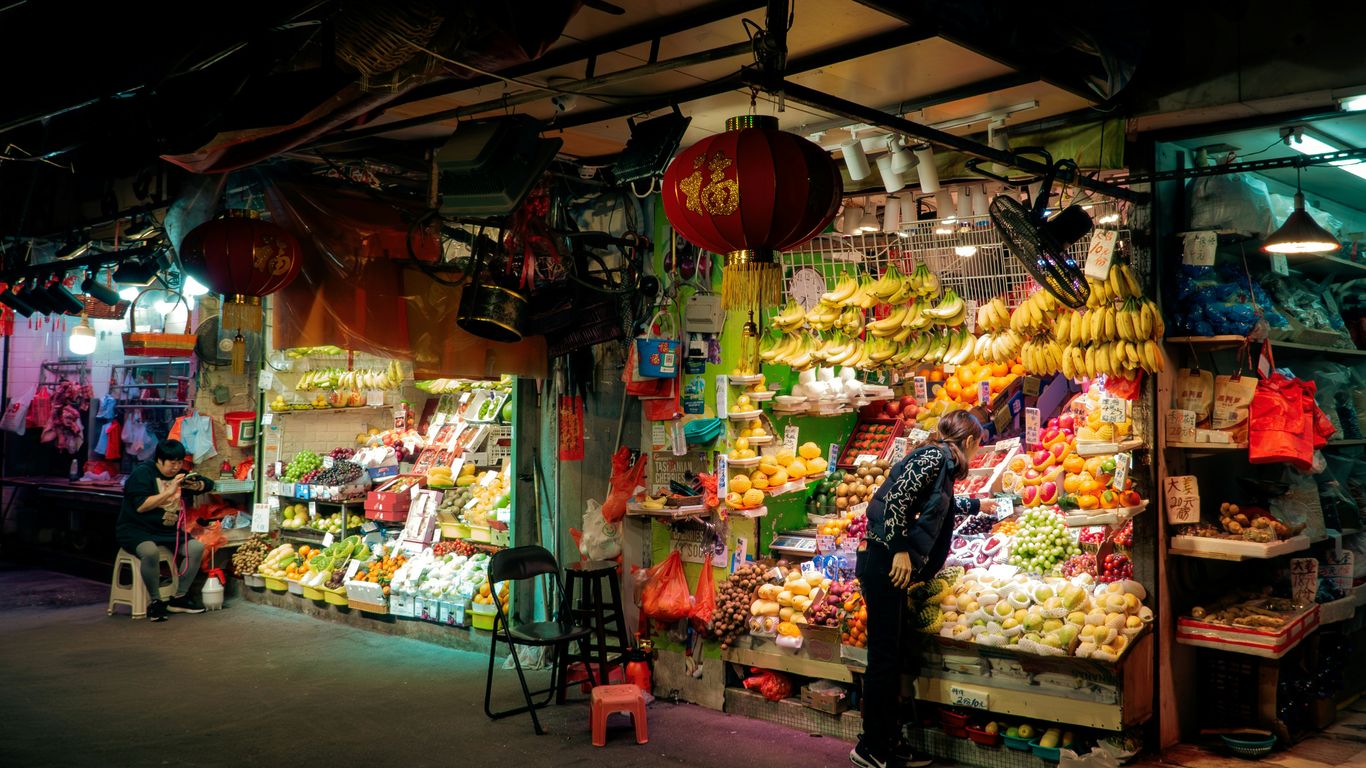
The evolution of this dish is a testament to the multicultural fabric of the nation. It reflects a history of migration and adaptation that persists in modern kitchens. Recognizing where these culinary threads intersect helps one appreciate the depth of the local food scene.
Roots from the Tamil Muslim community
This style grew from the necessity and ingenuity of South Indian immigrants. By blending their native spice traditions with ingredients accessible in the local market, they created something entirely new. It represents a history of resilience and creativity in the face of local environment changes.
Evolution within Singapore’s hawker centre history
As hawker centres emerged as the city’s unofficial dining rooms, this dish found a permanent home. It adapted to satisfy a wider range of tastes while retaining its core identity. Today, it stands as a pillar of what makes the city’s food culture so vibrant.
How local adaptations have shaped the modern recipe
Local palates have influenced the way this dish is calibrated, often resulting in slightly adjusted spice levels. This flexibility allows the dish to remain relevant to younger generations while preserving its original, comforting character.
How to identify authentic mamak-style stir-frying
Spotting a truly great version of this dish is a skill developed through practice. If you find yourself in the city and looking for an authentic meal, pay attention to the technique. An authentic stir-fry should be executed with precision, showcasing the skill of the hawker.
The importance of high-heat cooking techniques
Without significant heat, the ingredients simply boil in their own liquids. Authentic mamak frying should show signs of caramelisation on the noodles and vegetables. The goal is to reach that elusive point where the sauce is reduced and impactful.
Texture expectations for the noodles and vegetables
The perfect noodle should have a slight resistance, while the accompanying vegetables should retain a hint of crunch. This contrast is the mark of a masterfully handled wok, where each component is cooked for the precise amount of time needed to reach its potential.
This balance makes for a delightful mouthful that isn’t just about flavour, but also about the physical experience of eating. A skilled chef intuitively knows when the noodles have reached the ideal consistency.
Visual cues for a perfectly emulsified and glossy sauce
Watch how the sauce clings to the noodles without collecting at the base of the plate. It should appear bright, slightly red or orange from the spices, and possess a sheen that hints at the richness of the ingredients used.
Where to experience the best mee goreng mamak in Singapore
Finding the finest plate is often a journey of discovery across the island’s many hidden gems. Some vendors have been refining their craft for decades, resulting in a product that feels both historical and homey. Whether you seek a classic spot or a modern take, local insights can guide your search.
Famous stalls in historic hawker centres
Central food hubs often house legendary vendors who have perfected their versions over long periods. These stalls draw steady queues, a reliable indicator of quality and freshness in every serving.
Recommended late-night spots for supper cravings
For those needing a midnight snack, specific areas are known for serving these hearty plates well into the early morning hours. These locations represent the social pulse of the city, serving hungry patrons long after dark.
Evaluating quality based on reputation and consistent preparation
Consistency remains the true challenge in street food. Those stalls favoured by locals for generations often provide the most rewarding experiences. Don’t be afraid to ask residents for their top-tier recommendations when exploring.
Common variations and optional add-ons
Personalisation is a key part of ordering, allowing you to tailor the plate to your exact preference. Whether you want an extra kick of heat or a specific protein boost, the experience is highly adaptable to the individual diner’s palate.
Customising heat levels with fresh green chillies
Adding chopped green chillies is a popular method to introduce a sharp, biting heat. It shifts the profile from a deep, savoury one to something much more punchy and refreshing.
Popular protein upgrades like mutton or sotong
Choosing premium proteins like tender mutton or fresh, snappy sotong can elevate the entire meal. These additions absorb the spice-heavy sauce wonderfully, changing the texture and complexity of the final plate.
Essential side condiments like lime and cucumber slices
Never neglect the side garnishes. A squeeze of fresh lime juice is essential to brighten the heavy fats in the sauce. Cucumber provides a cooling crunch that creates a necessary break between the more intense spicy bites.
Conclusion
Exploring this dish offers a window into the rich, multifaceted culinary history of the local community. By understanding the techniques and ingredients that make it special, you gain a newfound appreciation for every bite. Whether enjoyed as a quiet meal or a lively feast with friends, it remains a true icon.
Frequently Asked Questions
Does mee goreng mamak contain meat by default?
Typically, a standard order might come with basic ingredients like eggs and tofu, but most vendors offer meat additions such as chicken or mutton at an extra cost to enhance the portion.
Is this dish considered very spicy for the average diner?
Spice levels can vary significantly between stalls as each chef prepares their own chilli paste; however, you can usually request a milder version if you are sensitive to heat.
Why are potatoes included in the fried noodles?
Potatoes are a signature addition in the Indian-Muslim style, serving both to thicken the sauce and to provide a heartier, more comforting texture to the overall dish.
Can I make this dish at home effectively?
Recreating the dish at home is possible using high-heat settings; while capturing the exact smoky aroma of a commercial wok is challenging, the foundational flavours of tomato, spice, and soy are easily achieved.
What signifies an authentic mamak-style plate?
An authentic version is identified by its specific tangy tomato notes, the use of alkaline yellow noodles, and the presence of potatoes, all stir-fried at high heat to achieve a glossy finish.
Do all mamak stalls offer the same version?
There is no single standard recipe, so regional and individual differences are common, which is part of the appeal for food lovers exploring different hawker centres.
Which beverage pairs best with this spicy dish?
Refreshing local drinks like iced lime juice or a creamy glass of milk tea are often favoured as they provide a perfect cooling contrast to the richness and spice of the noodles.