
Key Takeaways
Exploring Singapore’s culinary scene offers more than just sustenance; it provides a direct connection to the city’s heritage and heart through every local delicacy. This guide breaks down what you need to know about the island’s most iconic seafood dish.
- Chilli crab is defined by a unique sauce that balances spice, sweetness, and eggy texture.
- Mud crabs are the standard choice due to their size and robust meat quality.
- Market prices are the norm, so always ask for the weight and cost per gram before ordering.
- Hawker centres offer an authentic dining atmosphere, while large restaurants provide more formal comfort.
- Fried mantou buns are an essential side designed specifically for scooping up the rich, savoury sauce.
Understanding the hallmark of Singaporean chilli crab
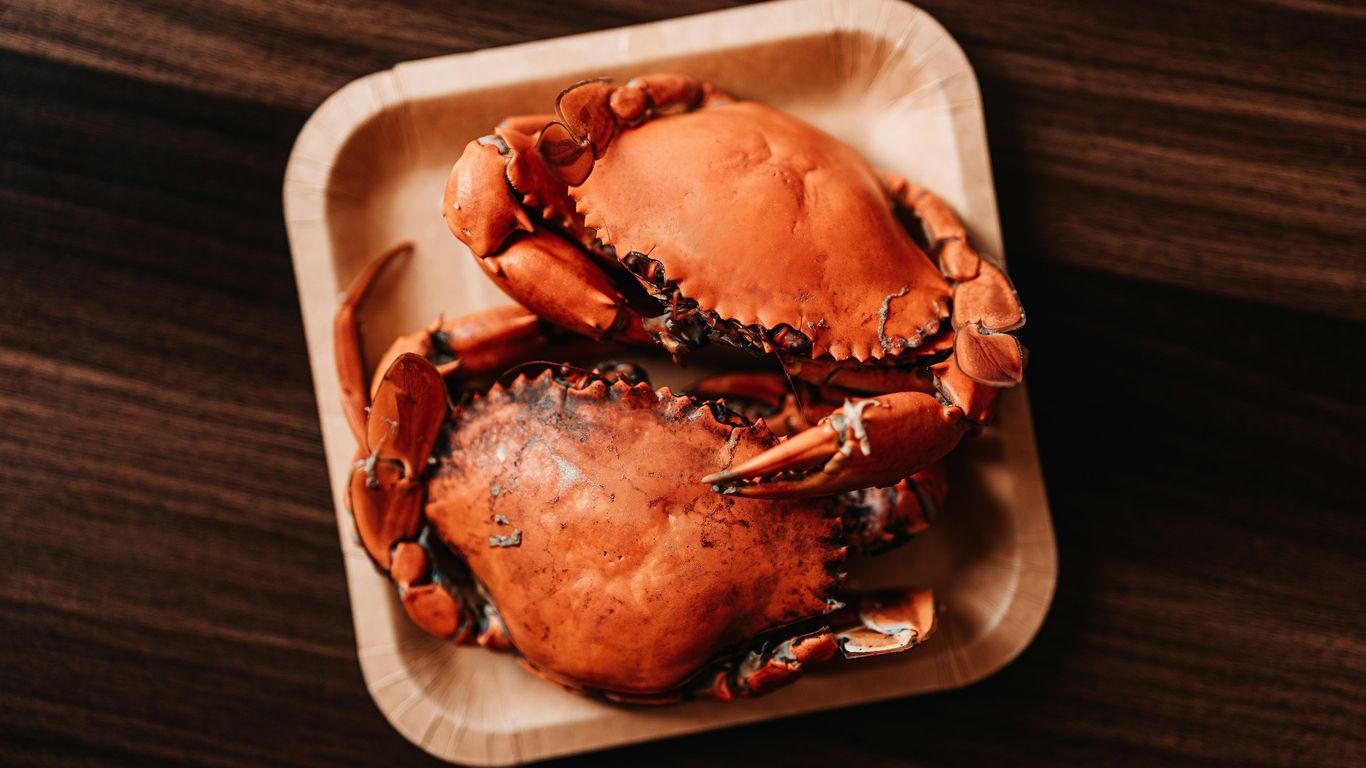
The dish is a masterclass in local flavours and arguably essential for any visiting foodie. While it might look intimidating at first glance, the sauce relies on a harmonious blend of tomato, chilli, and beaten eggs. Many travellers seek out the best chilli crab singapore to experience the quintessential version of this national treasure, finding that the preparation perfectly captures the city’s multicultural spirit. Our team at Taste of Singapore often highlights this dish as a primary example of how local traditions evolve into global culinary icons.
The flavour profile: a balance of sweet, spicy, and savoury
The heat in the dish is rarely overwhelming, acting more as a gentle foundation for complex secondary flavours. Cooks achieve a delicate tension by mixing fresh red chillies with enough tomato paste to provide a slight tang and body. This combination creates a signature taste that feels both indulgent and remarkably approachable for a wide range of palates.
The signature egg-ribbon sauce consistency
Pouring beaten eggs into the boiling sauce at the final stage of cooking is a technique that changes everything. This process creates distinct golden ribbons that soak up the flavour and thicken the broth. The result is a gravy with a luxurious, velvety texture that clings to every piece of crab, making sure no part of the dining experience is wasted.
Historical significance of the dish in Singaporean culture
The dish emerged from the humble beginnings of 1950s food hawkers who wanted to experiment with local ingredients. Over time, it transcended its street food origins to become a celebrated anchor of Singaporean dining culture. It now represents the warmth and innovation inherent in our local Taste of Singapore culinary storytelling, inviting visitors to appreciate the evolution of the city’s complex food identity.
Comparing popular crab varieties and preparation methods
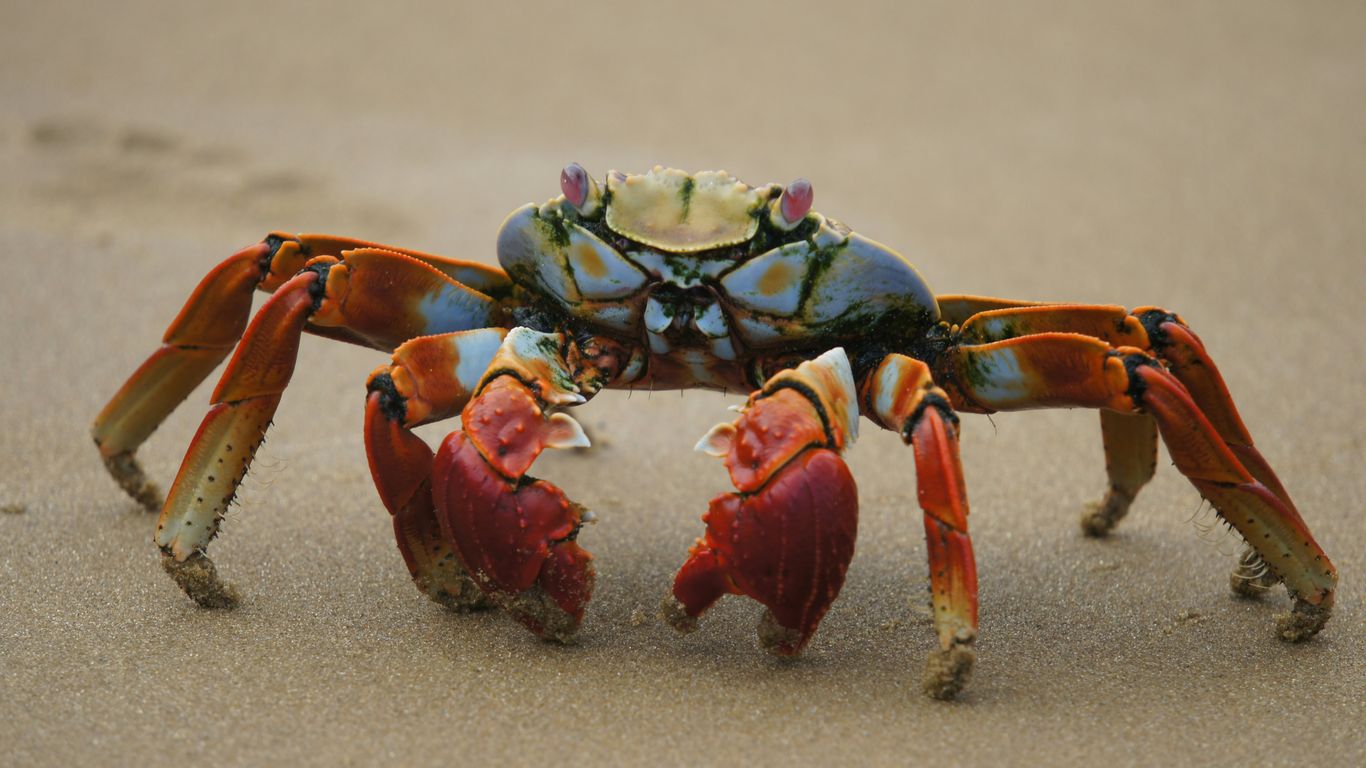
Choosing the right crab is half the battle when you sit down for a meal that is consistently priced by weight. Much of the flavour is driven by the freshness of the product, which is why veterans pay close attention to the source. When you join a Taste of Singapore tour, your local host can offer insights into the sourcing practices of historical establishments and modern hawkers alike. It is important to know the differences in seasonal availability and how that impacts your final bill.
Mud crab: the preferred choice for meat quality and size
Most high-quality seafood spots use the Sri Lankan mud crab for its consistency and meaty appeal. These crabs are favored because they have:
- Dense, firm flesh that holds up well during the cooking process.
- Large claws which offer the most satisfying portion of meat.
- A natural sweetness that balances the intensity of spicy chilli sauces.
Different styles beyond the classic chilli preparation
While chilli crab is the most famous, chefs also excel at black pepper, salted egg yolk, and steamed preparations. Black pepper crab often provides a more intense, dry heat, whereas salted egg versions offer a rich, buttery coating that is significantly different from the tomato-based sauce. Locals often cycle through these varieties, acknowledging that each requires a different set of expectations regarding spice and texture.
The importance of choosing between live versus frozen produce
Always opt for live crabs if the restaurant allows it, as the texture of the meat changes significantly once frozen. Live mud crabs offer a level of bounce and moisture that frozen equivalents simply cannot match. If a spot insists on only selling frozen supplies, it is worth reconsidering your options before finalizing your order.
Navigating the cost and pricing structures
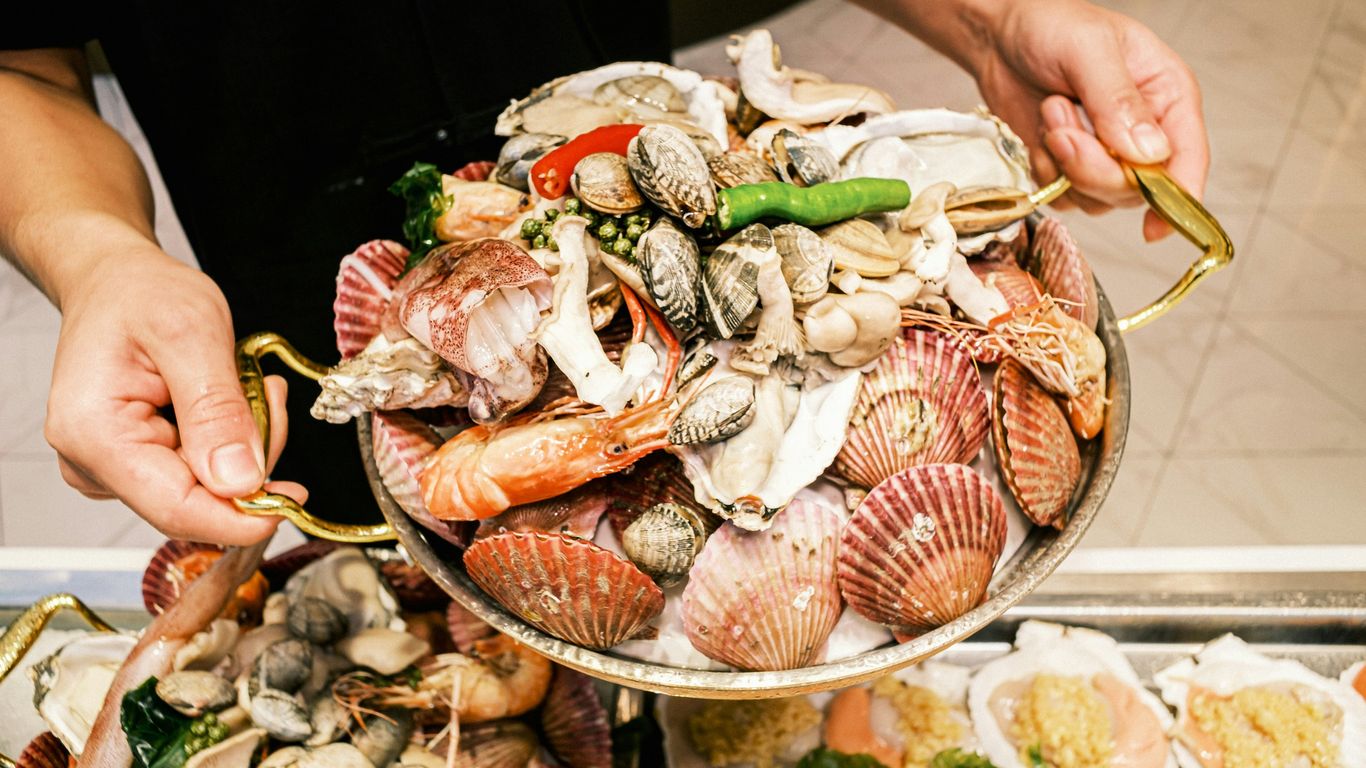
Ordering seafood can lead to unexpected bills if you aren’t familiar with local customs, especially regarding weight-based pricing. Seafood like crab is almost always sold at market price, which shifts frequently throughout the year. Transparency is key, but diners should be prepared for the nuance of additional charges that often appear on the final receipt.
Explaining seasonal market prices for seafood
Prices are calculated based on the weight of the crab, typically in grams, rather than a flat per-dish rate. This variability means that a small difference in the weight of the catch could alter the price by a surprising margin. Always clarify with the waiter whether the menu price is per 100g or per whole crab before agreeing to a specific catch.
Understanding service charges, GST, and hidden fees
Understanding the standard cost increases is vital for staying within budget. Most established restaurants include specific line items that add up quickly.
| Item Charge Type | Typical Percentage | Notes |
|---|---|---|
| Service Charge | 10% | Mandatory in most sit-down establishments |
| GST | 9% | Applied to the total bill amount |
| Wet Towel Fee | Small Fixed Amount | Usually per person at the table |
These additions are common across the industry, but they should never catch you off guard if you review the menu beforehand. Staying informed ensures your dining experience remains stress-free and enjoyable.
Budgeting for a full seafood meal versus individual portions
A full meal should include side dishes to help offset the cost of the crab, which acts as the main protein. It is far more economical to share a large, heavy crab with a group and load up on mantou and noodles than it is to order individual crabs for every person. This method allows you to enjoy the variety of the Taste of Singapore approach without breaking your travel budget.
Key etiquette and tips for a first-time dining experience

Eating this dish properly is a messy but necessary part of the tradition. Because there is no formal "right way" to eat, you will often find locals using a mix of tools and their hands. Do not feel self-conscious about getting sauce on your fingers; it is considered part of the fun of enjoying such a hearty, rustic meal.
Mastering the use of shellfish crackers and tools
Restaurants usually provide crackers and metal picks to get into the crevices of the claws. Start by cracking the shell with light pressure to avoid pulverizing the delicate meat inside. Once the shell is open, use the pick to draw out the succulent chunks, ensuring you don’t miss the smaller legs which often hold some of the sweetest meat.
Managing mess with bibs and wet towels
Most servers will offer a plastic or cloth bib immediately. Wear it without hesitation, as the rich sauce has a tendency to splash when you are navigating the tougher parts of the shell. Keep a stack of wet towels or tissues nearby, and remember that cross-cultural communication in busy dining rooms is often as simple as a polite nod or smile to the staff when you need an extra cloth.
Navigating formal reservations versus casual walk-ins
For major restaurant chains, booking ahead is a must, especially on weekends or during public holidays. Hawker centres operate on a first-come, first-served basis, meaning you need to be quick to spot an open table. When deciding where to visit, consider checking Gateway International Loan’s comprehensive guide to ensure your travel budget remains flexible enough for these spontaneous dining choices.
Comparing iconic seafood restaurants and hawker centres
Setting makes a massive difference in how you perceive the flavour of the dish. Restaurants like those found in East Coast Lagoon Food Village offer a breeze and a relaxed atmosphere that feels distinctly Singaporean. Conversely, air-conditioned dining rooms provide a respite from the humidity, which can be essential during the hottest parts of the year.
Distinguishing features of established large-scale seafood restaurants
These venues often handle high volumes with efficiency, providing consistent service and a very clean environment. Their kitchens are well-versed in catering to tourists, meaning they are very clear about the weighing and charging process. They remain a safe bet for those who want a predictable, high-quality experience.
The authentic experience of neighbourhood hawker centres
Hawker centres represent the pulse of the local food scene, with stalls often run by families with generations of experience. Dining here is loud, vibrant, and incredibly casual, requiring you to navigate shared tables and crowd dynamics. It is an honest, unvarnished way to understand the dish in its natural environment.
Balancing convenience and atmosphere for international visitors
If you prefer comfort, a restaurant gives you a reprieve; if you crave local flavour, nothing beats the hawker stall. Many visitors opt for one of each to compare, an approach that is supported by modern transport services like hiring a professional chauffeur to reach different corners of the island with ease. Just remember that the Terms & Conditions for table bookings in major restaurants often differ from the casual walk-in culture of our local hawker hubs.
How to order like a local: side dishes and pairings
Pairing the meal is almost as important as the crab itself. The richness of the chilli sauce requires neutral sides that can soak up the gravy without overwhelming your palate. Local diners almost always include these accompaniments to round out the experience.
Pairing with mantou: why deep-fried buns are an essential accompaniment
Deep-fried mantou are the unsung heroes of the table. Their slightly sweet exterior and soft, pillowy centre act like sponges for the chilli gravy, letting you clean the platter. It is rare to see a table of seasoned locals without a basket of these warm, crispy buns nearby.
Complementary side dishes to balance the spice levels
Stir-fried vegetables like kailan or baby bok choy with oyster sauce work perfectly to cut through the greasiness of the crab. These provide a fresh, green element that clears the palate. If you want something more substantial, a side of fried rice or mee goreng helps push the meal towards a shared feast.
Beverage recommendations to soothe the palate after a spicy meal
Cooling drinks are vital when navigating the lingering heat of the chillies. Fresh coconut water is the gold standard for soaking up spice; it is sweet, hydrating, and natural. Alternatively, many locals pair their seafood with iced tea or calamansi lime juice to cleanse the tongue between bites, book your culinary adventure to learn which pairings our local experts suggest for your specific preferences.
Conclusion
Chilli crab is more than a dinner; it is a full-sensory experience that captures the history and passion of Singapore. Whether you choose the seaside breeze of an open-air hawker spot or the climate-controlled comfort of a large restaurant, the act of cracking shells and sharing a meal with friends defines the very best of our local food culture.
Frequently Asked Questions
Is chilli crab very spicy?
It is generally considered mildly spicy rather than hot, with a flavour profile designed to satisfy a broad range of tastes through a balance of sweetness and savoury tomato notes.
Do I need to make a reservation for chilli crab?
While popular seafood restaurants definitely require reservations to guarantee a seat, many hawker centres operate on a first-come, first-served basis where no booking is needed.
Can I eat chilli crab if I am allergic to shellfish?
Unfortunately, this dish is not suitable for those with shellfish allergies, as it is based entirely on crab and often served in kitchens where other crustaceans are prepared.
What is the typical weight of a crab for a group of two?
A single crab weighing between 800 grams and 1 kilogram is usually sufficient for two people, especially when paired with mantou, noodles, and side vegetables.
Should I wear formal clothing to a seafood restaurant?
Casual clothing is standard for most seafood restaurants in Singapore, as the dining process is inherently messy and involves using your hands; comfort is far more important than formal attire.
Why is the price of crab often quoted as a market rate?
Market pricing is used because the cost of live crab fluctuates based on seasonal availability and import costs from neighboring countries, ensuring that prices reflect current supply chains.
Are there vegetarian alternatives to chilli crab sauce?
While the sauce itself is often made with vegetable-based ingredients like tomatoes and chillies, it is almost always cooked with seafood, and vegetarian versions are extremely rare in traditional settings.